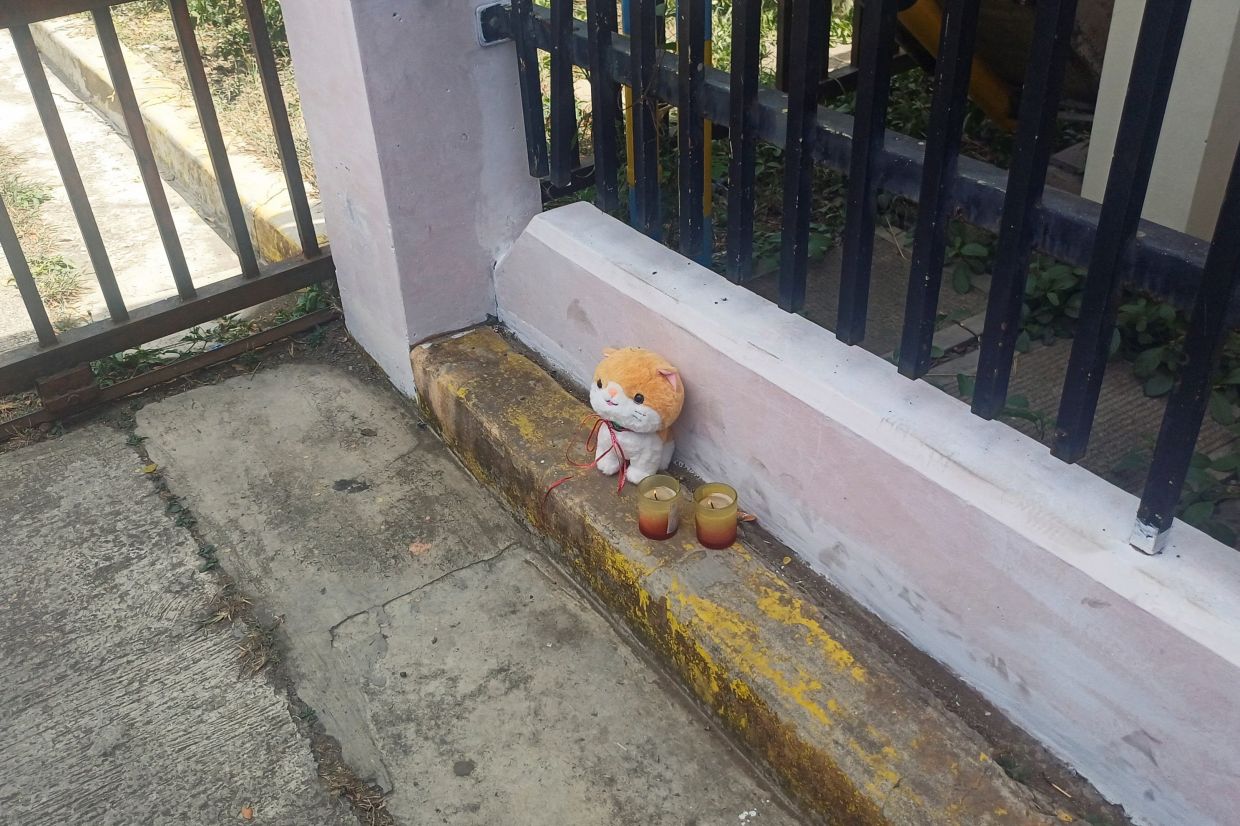
An academic high-achiever opened fire at his school in Zamboanga City on August 18, killing two fellow students before taking his own life, in what has become the second such tragedy to strike the Philippines in under two months. The incident has thrust the nation's policymakers into urgent discussions about safeguarding young people, with the debate now centring on two critical fronts: the role of social media in amplifying violence and the regulation of civilian firearm access.
What has particularly unsettled education officials is the incongruity between the shooter's outward profile and his actions. Education Secretary Sonny Angara visited the campus to assess the situation and revealed that teachers had harboured no concerns about the student, who maintained strong academic credentials and displayed no obvious behavioural red flags. This observation has exposed a troubling gap in how schools and communities identify individuals at risk of committing violent acts, underscoring the challenge educators and parents face when trying to recognise warning signs before tragedy strikes.
Angara's subsequent remarks during his school visit highlighted the limitations of traditional security infrastructure alone. He noted that while physical barriers, surveillance systems, and metal detectors serve important protective functions, they cannot substitute for genuine human connection and community vigilance. His emphasis on proactive outreach rather than reactive barriers suggests a recognition that prevention requires sustained engagement between institutions and young people, through meaningful relationships that might uncover psychological distress before it escalates to violence.
The livestreaming dimension of this attack has particularly alarmed policymakers and generated considerable concern among the public. The shooter used body-worn camera technology to broadcast the incident in real time, a practice that Senate President Sherwin Gatchalian has identified as a catalyst for normalising violence among the youth demographic. Gatchalian has advocated for legislative measures that would prohibit children under sixteen from accessing social media platforms, reasoning that the viral spread of graphic footage and disturbing imagery can desensitise younger viewers to brutality and potentially inspire copycat incidents.
For Malaysian observers, this Philippines experience carries significant regional relevance. Southeast Asian nations have similarly grappled with the challenge of regulating social media access for minors while respecting free expression principles. The question of whether age-based restrictions on platform usage represent effective harm reduction or constitute overreach remains contested across the region, and the Philippines case provides instructive lessons about the consequences of unfettered youth access to content creation tools.
Parallel to the social media debate, Interior Secretary Jonvic Remulla has turned attention toward strengthening firearms regulations. He has urged lawmakers to impose harsher penalties for gun owners whose weapons are accessed by minors, acknowledging that the shooter obtained access to his father's weapons, including a .40-caliber pistol issued by the Bureau of Customs. This revelation suggests that existing mechanisms for securing licensed firearms may contain significant vulnerabilities, particularly within households where young people reside.
Investigators remain focused on reconstructing the events preceding the shooting and establishing the student's motive. The forensic examination of electronic devices is expected to yield insights into any planning, ideological radicalisation, or communications that may have preceded the violence. Officers located the shooter on the fifth floor of the school building with a self-inflicted gunshot wound to the head, having moved upstairs from the fourth floor where the initial shooting commenced, indicating a deliberate sequence of actions rather than a spontaneous outburst.
The secondary wave of harm generated by the incident has extended beyond the immediate victims. A parent whose daughter attends another campus of the same institution described how graphic imagery and conflicting reports proliferated through social media channels and group messaging applications, amplifying parental anxiety and creating an information environment marked by confusion and misinformation. This secondary traumatisation effect has resonated with parents nationally and highlighted the cascading psychological consequences of highly publicised violent incidents in the digital age.
The absence of explicit content moderation standards for social media presents an instructive contrast with existing classification systems for traditional media. Parents and advocates have drawn parallels between television and film rating systems and the absence of equivalent mechanisms for digital platforms, suggesting that regulatory frameworks designed for analogue media have failed to adapt to the velocity and scale at which harmful content spreads online. This gap between regulatory innovation and technological change remains acute across Southeast Asia.
Regionally, the incident occurs within a broader pattern of mass casualty events attracting international attention to gun violence prevention frameworks. While the Philippines experiences such incidents less frequently than some nations, the recurrence of school shootings within a compressed timeframe has catalysed serious policy discussions. The convergence of technological accessibility, mental health challenges, and loose firearm security represents a specific confluence of risk factors that policymakers now recognise requires coordinated intervention across multiple domains.
As investigations continue and legislative deliberations commence, the case serves as a cautionary narrative about the intersection of adolescent psychology, social media infrastructure, and civilian firearm availability. The challenge facing Philippine lawmakers mirrors dilemmas confronting governments across Southeast Asia regarding how to protect young people from both the catalysts of violence and the amplification mechanisms that transform isolated incidents into societal anxieties.

