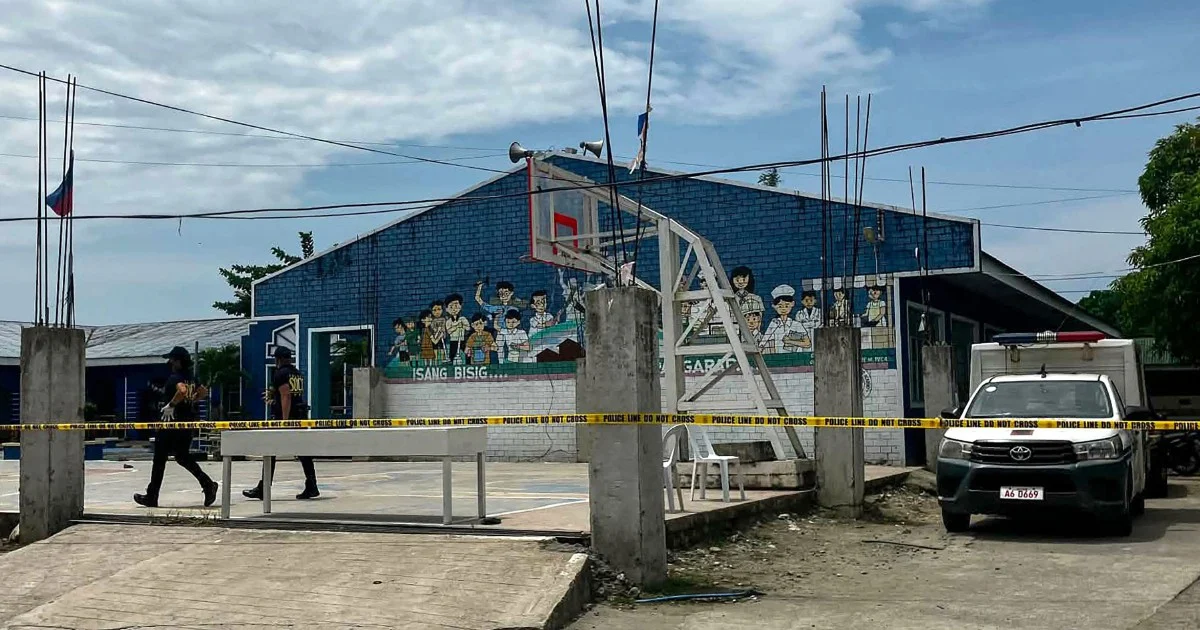
Philippine President Ferdinand Marcos Jr has directed authorities to conduct a comprehensive investigation into a school shooting incident in Tacloban that resulted in three fatalities and left five additional victims injured. The directive, issued on Monday, represents the executive branch's response to one of the country's recent violent incidents, underscoring rising concerns about firearms-related incidents in educational institutions across the archipelago.
Tacloban, the capital of Leyte province in the Eastern Visayas region, has historically experienced its share of security challenges despite ongoing government efforts to maintain peace and order. The city lies on the eastern coast of Visayas and serves as a regional hub for commerce, governance, and education. The incident at an educational institution within its jurisdiction raises questions about security protocols at schools across the Philippines and the accessibility of firearms in civilian hands.
The nature of school shootings represents a particular vulnerability in the Philippine context, where educational facilities traditionally serve as safe spaces for young people and their families. Unlike Western nations where such incidents occur with alarming frequency, each shooting in the Philippines generates significant public concern and scrutiny of how law enforcement agencies maintain security. The presence of multiple casualties within a school setting amplifies the psychological impact and prompts immediate government attention at the highest levels.
President Marcos Jr's decision to personally oversee an investigation signals the seriousness with which the administration views the incident and its potential implications for national security and public safety infrastructure. Presidential involvement in specific criminal investigations is typically reserved for cases of exceptional significance or those involving systemic failures that require whole-of-government responses. The shooting incident clearly falls into this category, given the number of victims and the location within an educational institution.
The five injured persons now face treatment and recovery processes that will likely extend over weeks or months, depending on the severity and nature of their injuries. Medical resources in Tacloban will be mobilized to provide necessary care, while psychological support services may become equally important for survivors grappling with trauma. The incident inevitably affects the broader school community and regional population, creating ripple effects throughout society.
The Philippines has grappled with various manifestations of gun violence over the decades, reflecting broader challenges related to firearms regulation, law enforcement capacity, and social factors that contribute to violent crime. While mass shootings remain relatively uncommon compared to other nations, each incident attracts national and international attention. Investigations into such events typically examine not only the immediate circumstances and perpetrator motivation but also systemic weaknesses in security infrastructure, weapon registration, and law enforcement coordination.
For Malaysian readers observing developments in the wider Southeast Asian region, this incident underscores how neighbouring countries manage public safety at institutions serving vulnerable populations. The Philippines' response mechanisms offer comparative insights into regional approaches to crisis management and security governance. Education systems across Southeast Asia remain acutely aware that incidents in any country within the region can influence security perceptions and policy discussions domestically.
The investigation will likely examine whether the perpetrator acted alone or as part of an organized group, whether personal grievances motivated the shooting, and whether any warning signs preceded the incident that authorities might have detected. Investigators will also scrutinize whether existing security measures at the school proved inadequate and whether law enforcement response times met acceptable standards. These details will inform recommendations for enhanced school safety protocols throughout the nation.
Regional security experts have long highlighted the importance of coordinated approaches to preventing school violence, including threat assessment programs, mental health support services, and community-based early intervention initiatives. The Tacloban shooting provides another data point in ongoing discussions about whether existing preventive frameworks function effectively and where gaps remain in the security apparatus. Philippine authorities will likely consult international best practices while adapting recommendations to the local context.
The broader implications of this incident extend beyond immediate criminal accountability to encompass questions of institutional responsibility and policy reform. Government agencies responsible for maintaining public safety, regulating firearms, and securing educational facilities may face scrutiny regarding their preparedness for such scenarios. The investigation presents an opportunity for authorities to identify systemic improvements and implement evidence-based interventions designed to reduce the likelihood of similar incidents.
Civil society organizations and educational institutions will undoubtedly monitor how thoroughly the investigation proceeds and what recommendations emerge from official findings. Transparency in the investigative process remains crucial for maintaining public confidence in government institutions and for establishing accountability. The incident serves as a sobering reminder that violence can manifest in the most unexpected locations, affecting societies at their most vulnerable points.