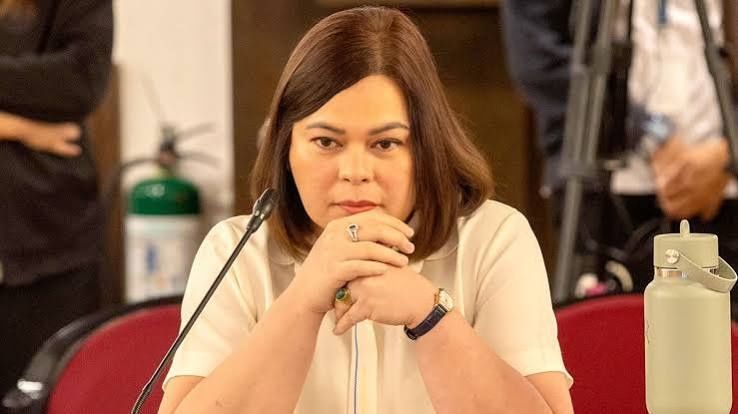
The Philippine National Police announced plans on Friday to station roughly 6,000 officers throughout the Senate complex and neighbouring districts in Manila as Vice President Sara Duterte's impeachment trial opens this coming week. Law enforcement authorities have committed to maintaining heightened vigilance throughout the proceedings to ensure the trial proceeds without disruption or security incidents.
Duterte, daughter of former President Rodrigo Duterte, now faces formal charges that will be adjudicated by the Senate impeachment court. The trial represents a significant constitutional moment for the Philippines, drawing considerable public and international attention. The vice president has been directed to appear before the court either personally or through legal representation, according to an order issued by the Senate impeachment court on Thursday.
The concentration of security resources around the Senate building in Pasay City reflects the political sensitivity surrounding the proceedings. Temporary road closures will take effect in the area beginning Monday to facilitate controlled access and prevent unauthorised entry. Local authorities have coordinated with transport operators to mitigate congestion during the trial period, though residents and commuters should expect significant disruptions to normal traffic patterns.
The impeachment mechanism itself carries substantial consequences. Should senators vote by a supermajority—requiring more than two-thirds approval—to convict Duterte, she would be automatically removed from her current office and permanently barred from holding any public position for life. This constitutional outcome would represent one of the highest forms of political censure available in the Philippine system, with implications extending far beyond her immediate tenure.
Duterte's political trajectory has shifted dramatically since assuming the vice presidency. In February of this year, she publicly declared her intention to contest the 2028 presidential election, positioning herself as a potential leader for the next decade. Her impeachment trial thus unfolds against the backdrop of nascent presidential ambitions, adding another layer of political complexity to proceedings that would ordinarily focus narrowly on matters of immediate governance and official conduct.
Separately, the Office of the Vice President received a clean audit opinion from the Commission on Audit for the calendar year 2025. According to the COA's comprehensive 2025 Report, the OVP's financial statements were presented fairly and adhered to applicable standards for financial reporting and accountability. While this favourable audit assessment demonstrates compliance with fiscal regulations, it operates independently of the impeachment proceedings and does not directly influence their outcome or trajectory.
For Malaysian observers, the Philippine impeachment process offers instructive parallels and contrasts to governance challenges across Southeast Asia. The capacity of legislative bodies to scrutinise executive officials through formal impeachment mechanisms reflects institutional checks on power that vary significantly across the region. Where some ASEAN nations maintain constitutional frameworks permitting such proceedings, their actual deployment remains relatively rare, making the Philippine case noteworthy for regional governance dynamics.
The security mobilisation underscores official concern about potential demonstrations or civil unrest. The Duterte family commands significant political support among certain constituencies, particularly in Mindanao, while simultaneously facing opposition from groups critical of the former president's tenure and policies. The balance between accommodating legitimate public expression and maintaining orderly court proceedings has motivated the substantial police deployment.
The trial's duration remains uncertain, though impeachment proceedings typically extend over weeks or months depending on evidence complexity and the number of witnesses. Key questions involve the specific charges against the vice president, the strength of supporting documentation, and senators' willingness to cross party lines if conviction requires supermajority support. The composition of the Senate thus becomes strategically important, with Duterte's allies occupying seats that could prove decisive.
This constitutional drama reflects broader tensions within Philippine politics between dynastic influence and institutional accountability. The Duterte family's dominance over Mindanao politics and national affairs has generated both loyal constituencies and determined opponents. The impeachment trial therefore transcends individual legal proceedings to represent a wider contestation over the future direction of Philippine governance and the permissible scope of executive power.
For regional observers tracking Philippine political stability, the trial's outcome could influence investor confidence, foreign relations, and the country's positioning within ASEAN. While impeachment proceedings are fundamentally domestic constitutional matters, their resolution affects the broader political environment affecting bilateral relationships and regional cooperation initiatives. The successful conduct of fair, transparent proceedings would reinforce institutional credibility across the archipelago.
The coming weeks will test Philippine democratic institutions' capacity to manage high-stakes political conflict through constitutional channels rather than extraconstitutional means. Whether the trial achieves legitimacy among both Duterte's supporters and critics depends largely on perceived fairness, procedural transparency, and ultimate acceptance of verdicts regardless of outcomes.

