The Philippines is set to orchestrate a crucial diplomatic gathering in Bangkok this weekend, bringing Myanmar's military-backed government back into direct dialogue with ASEAN's foreign ministers. As the current chair of the 10-member regional bloc, Manila has scheduled the informal consultation for Sunday, July 12, according to the Department of Foreign Affairs. Myanmar's Foreign Minister U Tin Maung Swe will represent the junta at the meeting, which carries significant symbolic weight given the long freeze in direct ministerial-level engagement since the coup three years ago.
This gathering represents a watershed moment in ASEAN's approach to Myanmar, signalling the bloc's commitment to maintaining channels of communication with Naypyidaw despite the military takeover. The informal nature of the meeting allows participating nations to engage more candidly while providing Myanmar with an opportunity to present its perspective on the country's trajectory. For the Philippines, hosting this dialogue underscores its role in balancing the competing pressures within ASEAN—between those wanting stronger condemnation of the junta and those prioritising continued engagement.
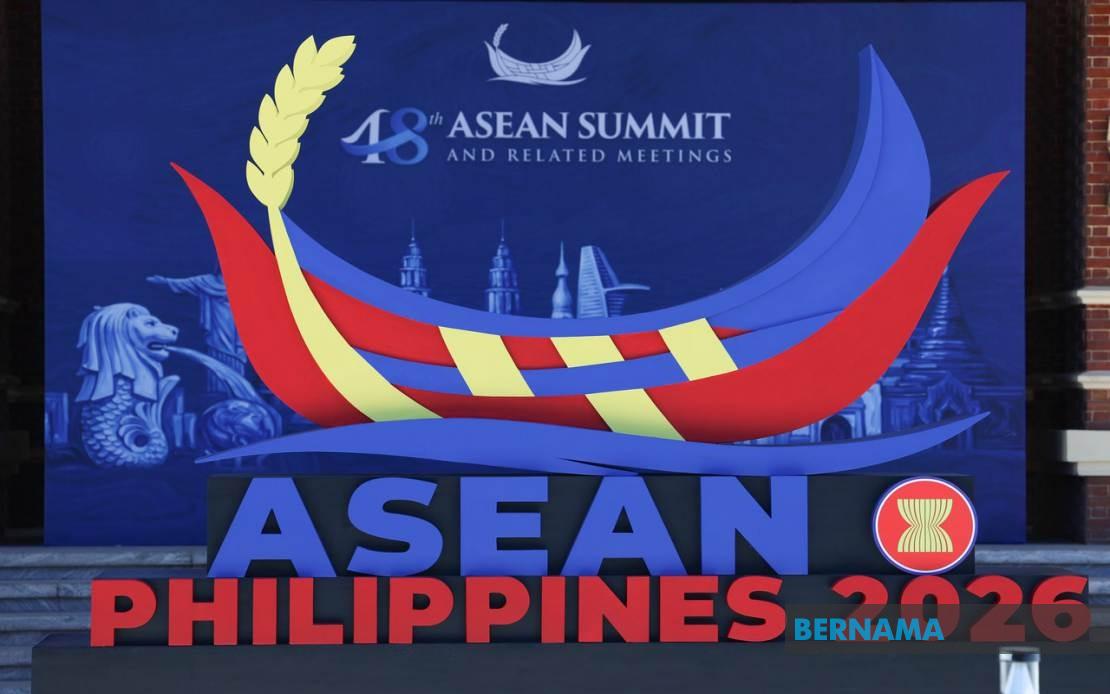
The timing of the meeting follows directives issued at the 48th ASEAN Summit held in Cebu, where regional leaders instructed their foreign ministers to pursue what they termed "constructive and principled engagement" with Myanmar. This diplomatic language reflects ASEAN's foundational emphasis on non-interference in members' internal affairs, a principle increasingly tested by the deteriorating humanitarian situation in Myanmar. The consensus reached in Cebu effectively empowered the foreign ministers to pursue dialogue while maintaining fidelity to ASEAN's Five-Point Consensus, the regional blueprint adopted in 2021 to address the Myanmar crisis.
The Five-Point Consensus, developed after the coup, comprises five key objectives: immediate cessation of violence, dialogue among all parties, humanitarian assistance for those affected, a special envoy's mediation efforts, and constructive engagement by ASEAN members. During the Bangkok meeting, U Tin Maung Swe is expected to brief ASEAN ministers on the current state of affairs in Myanmar, providing the bloc with firsthand information on security conditions, political developments, and the junta's perspective on addressing regional concerns. This briefing format allows Myanmar to frame its narrative while giving ASEAN members the chance to assess the regime's willingness to move toward the consensus goals.
For regional observers, the meeting highlights the delicate balancing act ASEAN must perform regarding Myanmar. The bloc has consistently resisted external pressure to take harder stances against the junta, arguing that isolation would prove counterproductive and push Myanmar further toward China and Russia. Yet ASEAN nations are simultaneously grappling with the humanitarian catastrophe unfolding within Myanmar's borders—a crisis that has generated hundreds of thousands of internally displaced persons and sparked widespread armed resistance. This informal dialogue represents an attempt to keep diplomatic channels open while signalling that progress on violence cessation and humanitarian access remains essential.
The foreign ministers are expected to engage in substantive discussions about concrete measures Myanmar might adopt to address the bloc's specific concerns. Violence remains endemic in Myanmar, with clashes between military forces and armed groups intensifying across multiple regions. The broader issue of dialogue among stakeholders—including ethnic armed organisations, civil society representatives, and political figures—remains largely stalled. Humanitarian access constraints have worsened considerably, with aid organisations facing severe restrictions in reaching vulnerable populations. These are the practical benchmarks against which ASEAN will measure any progress Myanmar claims to have made since the junta consolidated power.
For Southeast Asian readers, Myanmar's situation remains consequential beyond regional diplomatic niceties. The instability in Myanmar affects border communities in Thailand, Bangladesh, and India, generates refugee flows, and disrupts trade corridors connecting South and Southeast Asia. The Philippines, as chair, has positioned itself as a mediator, and this Bangkok meeting signals Manila's investment in maintaining a dialogue-based approach rather than pursuing isolation or confrontational strategies. This orientation may influence how ASEAN responds collectively to crises affecting member states going forward.
The informal setting of the meeting also matters diplomatically. Unlike formal ASEAN ministerial sessions, which operate under strict protocols and require consensus, informal consultations permit more candid exchanges and provide flexibility in how discussions proceed. This format allows Myanmar representatives to engage without the full weight of ASEAN institutional machinery bearing down on negotiations, potentially making Naypyidaw more willing to participate meaningfully. Simultaneously, ASEAN ministers gain space to discuss concerns privately before any public statements, reducing posturing and enabling genuine diplomatic problem-solving.
The reaffirmation that Myanmar remains "an integral part of the ASEAN Family" carries particular significance given external calls for Myanmar's suspension or expulsion. ASEAN's institutional resistance to such measures reflects the bloc's foundational commitment to inclusivity and the principle that engagement outweighs punitive measures. However, this positioning also creates pressure on ASEAN to demonstrate that engagement yields tangible improvements in Myanmar's conduct, whether through reduced violence, expanded humanitarian access, or credible political dialogue. The Bangkok meeting will be scrutinised for whether ASEAN emerges with any concrete commitments from Myanmar or whether the gathering amounts to ritualistic diplomacy without substantive progress.
Looking ahead, the outcomes of this informal consultation may shape ASEAN's posture toward Myanmar throughout the remainder of the Philippines' chair year. If the meeting produces encouraging signals—such as Myanmar's commitment to specific confidence-building measures or acknowledgment of the need for broader dialogue—ASEAN may feel emboldened to maintain its current engagement strategy. Conversely, if Myanmar presents intransigence on key issues like violence cessation and humanitarian access, pressure may build within ASEAN for more assertive responses. The meeting thus serves as both a checkpoint on ASEAN's Myanmar strategy and a potential inflection point for how the bloc calibrates its approach to one of its most troubled member states.

