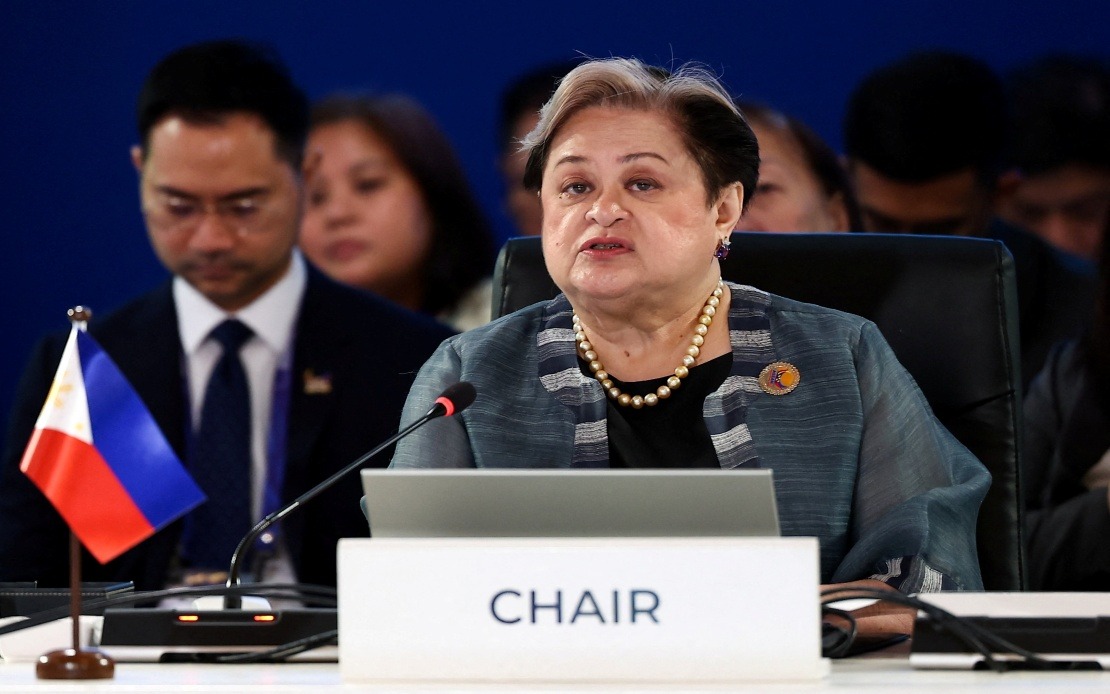
The Philippines is positioning itself at the forefront of ASEAN's efforts to address Myanmar's humanitarian crisis, with Foreign Affairs Secretary Ma. Theresa Lazaro planning to lead a mission into the conflict-affected nation by the final quarter of 2026. Operating in her capacity as special envoy to ASEAN's current chair, Lazaro's proposed initiative reflects mounting regional pressure to convert diplomatic engagement into tangible assistance for a nation gripped by ongoing internal strife.
The humanitarian push emerges from an intensive round of diplomatic consultations Lazaro conducted in Thailand over July 12 and 13, where she held critical back-to-back discussions with fellow Southeast Asian foreign ministers and various Myanmar stakeholder groups. These meetings represent part of a broader regional strategy to maintain engagement with Myanmar despite its complex political landscape, a delicate balancing act that has tested ASEAN's unity and commitment to its own principles of non-interference and consensus-building.
Lazaro's meetings with Myanmar Foreign Minister U Tin Maung Swe focused specifically on advancing the Five-Point Consensus, ASEAN's framework for stabilising the country since the 2021 military upheaval. The discussion centred on how the regional bloc might facilitate Myanmar's return to normalised relations, a process complicated by the junta's contested legitimacy within ASEAN itself. The foreign minister outlined his government's implementation of the consensus's action points alongside a separate 100-day peace initiative, alongside efforts to suppress transnational criminal networks operating within Myanmar's porous borders, a concern that resonates deeply across Southeast Asia.
Particularly significant was the informal ASEAN foreign ministers' meeting chaired by Lazaro, which assembled regional counterparts to hear directly from U Tin Maung Swe about Myanmar's current trajectory. This gathering marked the first substantial in-person diplomatic engagement between ASEAN's top foreign policy officials and their Myanmar counterpart since 2021, underlining the thaw in direct relations despite persistent underlying tensions. The ministers collectively reaffirmed their commitment to the Five-Point Consensus as the essential framework for resolution, even as frustrations mount over implementation timelines and tangible progress on the ground.
What distinguishes Lazaro's humanitarian mission proposal from previous ASEAN initiatives is its explicit focus on expanding humanitarian access to conflict-affected regions. Rather than concentrating solely on political dialogue and consensus-building, the planned intervention targets practical delivery of aid to areas facing acute shortages. The Department of Foreign Affairs has indicated that all stakeholders—including ethnic armed organisations and civil society representatives—have endorsed the proposal, suggesting a rare convergence of interests around humanitarian rather than political objectives.
On the second day of consultations, Lazaro engaged separately with Myanmar ethnic armed organisations and the National Solidarity and Peacemaking Negotiation Committee, discussions aimed at fostering what the DFA characterised as inclusive national political dialogue. Representatives from these groups signalled receptiveness to dialogue processes while stressing the necessity for meticulous preparation and constructive engagement from all parties involved. These separate consultations acknowledge the fragmented nature of Myanmar's political landscape, where power extends far beyond the capital and coordination with armed ethnic groups remains essential for any comprehensive settlement.
The emphasis on inclusivity within Myanmar's political framework reflects lessons learned from earlier ASEAN-led diplomatic efforts. Previous initiatives struggled partly because they relied too heavily on engagement with the military leadership while marginalising ethnic armed organisations and civil society groups that wield considerable ground-level influence. By explicitly incorporating these actors into dialogue frameworks and humanitarian planning, ASEAN appears determined to construct a more durable foundation for eventual normalisation.
For Malaysia and other ASEAN members, the implications of this mission extend beyond Myanmar itself. The success of such humanitarian intervention could establish precedent for ASEAN's capacity to translate diplomatic consensus into practical action, potentially strengthening the bloc's relevance at a time when member states face mounting pressure from external powers seeking to influence Southeast Asian affairs. Conversely, failure could further undermine ASEAN's credibility as a meaningful actor in regional crisis management, a concern that has shadowed the organisation's Myanmar policy since 2021.
The proposed mission also touches on border security concerns that directly affect Myanmar's neighbours, including Thailand and potentially Malaysia through transregional criminal networks. Humanitarian access coupled with dialogue processes may eventually facilitate better security cooperation and stem trafficking flows that destabilise neighbouring states. This practical security dimension, though less frequently emphasised in official statements, likely underpins much of the regional commitment to Myanmar engagement.
The timeline of this humanitarian mission—ending 2026—suggests ASEAN believes sufficient stability improvements and diplomatic groundwork will materialise over the next eighteen months to permit safe operational deployment. This optimism may be tempered by ground realities where fighting between military forces and resistance factions continues to devastate civilian populations. Nevertheless, the commitment signals that ASEAN intends to press forward with its engagement strategy despite scepticism from some quarters regarding the junta's sincerity in pursuing conflict resolution.
Lazaro's leadership of the mission carries particular symbolic weight given the Philippines' current ASEAN chair role. It positions Manila as central to regional humanitarian efforts and demonstrates that smaller or less directly affected ASEAN members can shape collective responses to transnational crises. For Malaysian policymakers, this precedent offers both opportunities and cautionary lessons about balancing principled engagement with pragmatic assessment of whether diplomatic interventions genuinely serve humanitarian or political interests.
As details emerge regarding the mission's scope, composition, and operational parameters, regional observers will scrutinise whether this represents genuine humanitarian innovation or merely repackaged diplomatic gesturing. The support reportedly garnered from all stakeholders suggests serious intent, yet the challenge remains translating goodwill into concrete protection for vulnerable Myanmar populations and meaningful progress toward political settlement. The mission's success will likely determine whether ASEAN can rehabilitate its image as an effective regional actor capable of substantive crisis response beyond high-level summitry.

