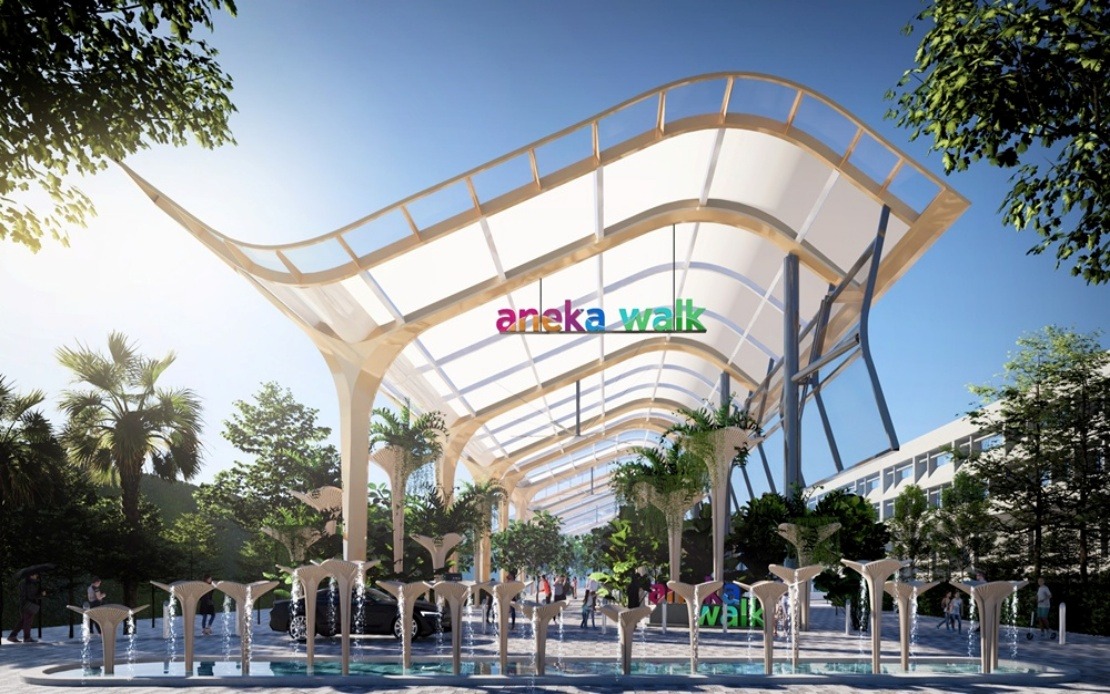
The Selangor State Development Corporation (PKNS) is preparing to transform Aneka Walk shopping centre into a bustling sports hub on July 19 and 20, hosting a comprehensive live broadcast experience of the FIFA World Cup 2026 final. The initiative, branded as PKNS Homes Final World Cup 2026 Mega Live, represents an ambitious attempt to capitalise on global football fever by anchoring the event at a key commercial and social landmark within Shah Alam's Seksyen 14 precinct.
The 12-hour marathon event, running from 5 pm on July 19 through 5 am the following morning, is designed to accommodate the international broadcast schedule while maximising foot traffic throughout the extended hours. PKNS has projected that approximately 1,000 visitors will converge on Aneka Walk to experience the world's most celebrated football match in a communal setting, transforming an ordinary weekend into an occasion that blends sports spectacle with family entertainment and lifestyle experiences.
This initiative emerges as a collaborative effort between PKNS and Selangor FC, embedding the state's professional football club into the programming and marketing infrastructure. The partnership signals a deliberate strategy to leverage the club's existing fan base and player recognition, enhancing the event's credibility and drawing power within the local sporting community. By positioning Selangor FC as a co-organiser rather than merely a promotional partner, PKNS has created a framework where the state's sporting identity becomes intertwined with the global tournament.
Beyond the main attraction of the FIFA World Cup 2026 final itself, which will commence at 3 am on July 20 Malaysian time, PKNS has curated an extensive programme of supplementary activities intended to sustain visitor engagement throughout the overnight period. E-sports competitions will provide gaming-focused entertainment options, while direct player interactions through meet-and-greet sessions with Selangor FC athletes offer fans tangible connection points with professional football. Interactive games and structured lucky draws introduce gamification elements that maintain excitement during the hours preceding the actual match broadcast.
The commercial dimension of the event extends significantly beyond simple spectating. PKNS has deliberately structured the initiative to create valuable branding and engagement opportunities for corporate entities seeking direct consumer contact. By offering exhibition booths and promotional spaces, the event functions as a hybrid venue combining sports entertainment with a mini-trade show environment. This architecture allows participating companies to strengthen their market positioning through community-based engagement rather than traditional advertising channels, potentially yielding more authentic consumer interactions than conventional marketing approaches.
The food and beverage sector features prominently within the planning framework. Multiple food stalls operating throughout the 12-hour window will cater to the anticipated visitor volume, generating complementary revenue streams for participating vendors while enhancing the overall visitor experience. This emphasis on gastronomic offerings recognises that extended social gatherings require sustained food and drink consumption, particularly during late-night and early-morning hours when standard retail operations typically remain dormant.
From PKNS's institutional perspective, this event represents a strategic investment in revitalising Aneka Walk as a functioning community hub rather than a static retail destination. Under the broader SA Sentral development framework, Aneka Walk occupies a crucial position within Shah Alam's emerging lifestyle ecosystem. The FIFA World Cup 2026 screening initiative directly advances PKNS's stated objective of increasing regular public foot traffic to the venue, demonstrating that carefully curated event programming can transform shopping centres into vibrant social gathering spaces.
The economic implications extend beyond the immediate two-day event window. Enhanced public perception of Aneka Walk as a dynamic community gathering space can support longer-term tenant recruitment strategies and lease rates. By successfully executing this high-profile event, PKNS signals to both retailers and the broader Shah Alam community that the venue can serve functions beyond conventional shopping, potentially justifying future investment in experiential programming and improved facilities.
For Malaysian football enthusiasts and general sports fans, the event offers a culturally resonant alternative to home viewing or hotel bar experiences. Watching major sporting events within physically present communities creates psychological and emotional dimensions that isolated viewing cannot replicate. The provision of structured activities beyond passive spectatorship acknowledges that modern audiences increasingly seek multidimensional experiences rather than single-purpose entertainment consumption.
The timing of this announcement deserves consideration within the broader context of how Southeast Asian cities are increasingly competing for cultural and entertainment visibility. By securing and promoting a major sporting event broadcast venue, PKNS positions Shah Alam within an emerging category of regional hubs capable of delivering world-class entertainment infrastructure. The success or failure of this initiative may influence how other Malaysian urban development corporations approach similar programming opportunities.
The event also reflects evolving approaches to urban activation in Malaysia, where developer-led initiatives are increasingly blurring boundaries between commercial real estate and community programming. PKNS has essentially adopted the role of cultural event organiser alongside its traditional corporate real estate function, suggesting that Malaysian development entities recognise their capacity to influence public perception and usage patterns through strategic event sponsorship and execution.
PKNS has publicly encouraged residents to attend the screening with family members and friends, framing the experience as a communal entertainment opportunity rather than a mere promotional exercise. This messaging strategy positions the event as accessible and inclusive, rather than exclusively targeting committed football enthusiasts. By emphasising the family and friendship dimensions, PKNS is effectively marketing the venue upgrade itself alongside the FIFA World Cup broadcast.

