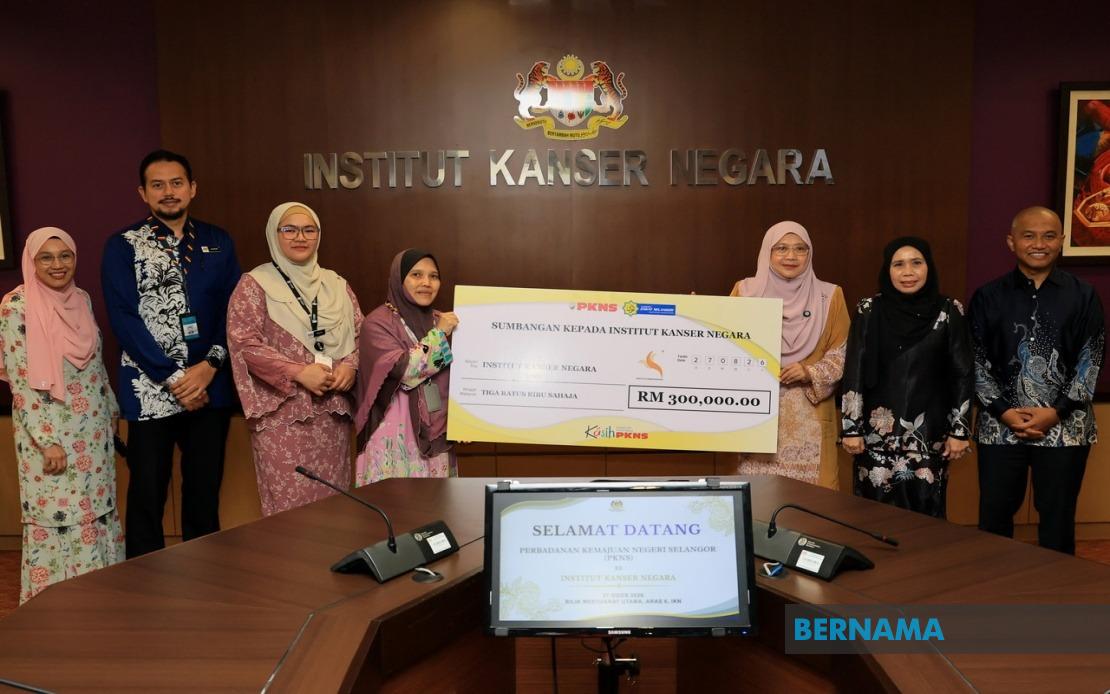
The Selangor State Development Corporation (PKNS) has allocated RM300,000 to provide financial relief for between 50 and 100 cancer patients receiving treatment at the National Cancer Institute (IKN) in Putrajaya. The contribution, presented on August 27, represents a significant step in corporate engagement with healthcare initiatives targeting one of Malaysia's most pressing public health challenges.
According to PKNS Corporate Services senior general manager Sapna Turmidi, the donation extends beyond simple monetary assistance to encompass emotional support and community solidarity. The agency views the contribution as part of a broader commitment to stand alongside individuals and families navigating the complexities of cancer treatment. Turmidi emphasised that while PKNS may not fully comprehend the depth of suffering experienced by cancer patients, the organisation wanted to signal its presence and demonstrate that patients are not isolated in their struggle.
The decision to support IKN stemmed from a personal tragedy within PKNS itself. A staff member diagnosed with glioma in February succumbed to the disease just four months later, having received treatment at the institute. This experience prompted the organisation to recognise the profound challenges facing cancer patients and their dependents throughout their treatment journey, leading to the decision to make a substantial contribution.
The assistance is being channelled through a corporate social responsibility framework utilising wakalah zakat, a mechanism administered in collaboration with the Selangor Zakat Board (LZS). The support targets eligible Muslim cancer patients classified under the asnaf al-Gharimin category, specifically those facing financial hardship. The timing of the contribution coincides with PKNS's 62nd anniversary, celebrated on August 1, adding symbolic weight to the gesture as the agency reflects on its role in advancing Selangor's socio-economic development since its establishment in 1964.
Dr Nur Aslina Bahakodin, director of the National Cancer Institute, provided crucial context regarding the scope of patient support requirements. The institute requires between RM1 million and RM2 million annually to assist underprivileged cancer patients in meeting essential needs throughout their treatment cycles. These costs encompass not merely medical equipment and supplies but extend to transportation expenses, specialised nutrition, and support structures for patient families—elements often overlooked in conventional healthcare budgeting but critical to treatment adherence and outcomes.
Financial constraints frequently force vulnerable patients to forgo follow-up appointments, creating gaps in their treatment protocols that can severely compromise recovery prospects and survival rates. Dr Aslina stressed that the continuity and timely completion of cancer treatment are substantially affected when patients cannot afford ancillary costs beyond hospitalisation fees. This reality underscores why support from corporations, zakat bodies, and NGOs becomes indispensable in supplementing the direct medical services hospitals provide.
The allocation of PKNS funds will be managed through IKN's Medical Social Work Unit, which will conduct thorough socio-economic assessments of individual patients and their family circumstances to ensure resources reach those most in need. This structured approach ensures that assistance is targeted effectively rather than distributed indiscriminately, maximising the impact of the RM300,000 investment on patient welfare and treatment outcomes.
Dr Aslina also noted that the rising detection of cancer cases in Malaysia reflects encouraging trends in public health awareness and screening participation. Early detection programmes have enabled patients to commence treatment at earlier stages, significantly improving recovery prospects. Breast cancer remains the most frequently diagnosed malignancy among Malaysian women, whilst colorectal cancer leads among men, patterns consistent with global epidemiology yet reflective of Malaysia's specific demographic and lifestyle factors.
The PKNS contribution represents a model that other major corporations and institutional players might emulate in addressing healthcare inequities. As Malaysia continues developing its healthcare infrastructure and expanding access, the burden on patients facing prolonged and expensive cancer treatment remains substantial. Corporate partnerships with public healthcare institutions offer a practical avenue for bridging gaps between what government provision can achieve and the actual needs of vulnerable patient populations.
For cancer patients in Selangor navigating the intersection of illness and financial stress, initiatives like this provide tangible relief that extends beyond the hospital ward. The PKNS grant acknowledges that comprehensive cancer care encompasses far more than clinical interventions—it requires economic support that allows patients to prioritise their health without sacrificing their families' basic needs. As the National Cancer Institute continues its vital work, such partnerships strengthen its capacity to serve as an equitable institution serving all Malaysians regardless of financial circumstance.
The donation also signals broader corporate sector recognition of social responsibility in healthcare. With cancer increasingly prevalent across the Southeast Asian region, Malaysian companies engaged in similar initiatives establish valuable precedents for regional corporate citizenship. The model developed through PKNS and IKN collaboration could inform how other organisations across the region approach supporting patients with catastrophic illnesses, creating ripple effects that extend beyond individual institutions.

