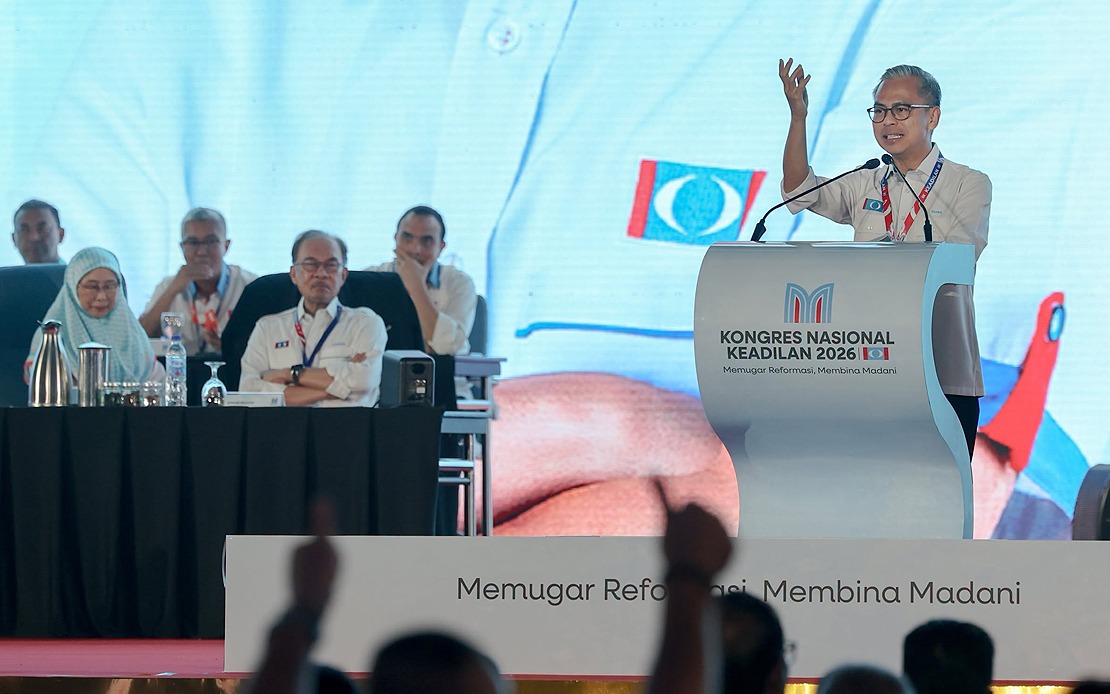
The Parti Keadilan Rakyat's 2026 National Congress, which wrapped up in Kuala Lumpur on August 16, functioned as a crucible for reinvigorating the coalition's founding principles while assessing its organizational health ahead of future electoral contests. Rather than serving purely as a ceremonial gathering of speeches and formal debates, the two-day assembly created space for substantive internal dialogue, with delegates examining both institutional strengths and operational vulnerabilities whilst recommitting to the party's core mission of advancing reforms for ordinary Malaysians.
Datak Seri Fahmi Fadzil, PKR's Information Chief, characterized the congress as far more than a platform for oratory. The gathering functioned simultaneously as a venue for collective self-examination, enabling party leadership and membership to absorb feedback from grassroots supporters, conduct candid assessments of current capabilities and limitations, and collectively reaffirm dedication to progressive reform principles that have anchored the party since its inception.
Central to the congress messaging was PKR President Datuk Seri Anwar Ibrahim's keynote address, which reiterated that Malaysia's ongoing reform movement cannot pause or be deprioritized despite shifting political circumstances. His intervention underscored a critical principle: the party's institutional strength and legitimacy ultimately derive from consistent alignment with popular interests rather than from internal factional maneuvering or pursuit of narrow organizational advantage.
Fahmi's subsequent commentary emphasized an immediate operational imperative: party functionaries across all electoral divisions must now intensify their outreach work. This involves returning to constituencies with renewed purpose, establishing genuine dialogue channels with constituents, absorbing their grievances and aspirations, and demonstrating tangible responsiveness through concrete problem-solving initiatives. Such grassroots engagement represents not merely campaign activity but the substantive foundation upon which electoral success ultimately rests.
The Information Chief's remarks also signaled awareness that PKR faces a challenging political environment requiring organizational discipline and ideological clarity. Political headwinds will inevitably emerge from competing factions and rival coalitions, necessitating that party members remain grounded in core reformist principles rather than being distracted by short-term tactical skirmishes or susceptibility to opportunistic shifting of allegiances.
Organizational strengthening emerged as a parallel priority alongside ideological recommitment. Fahmi explicitly called for enhanced party machinery functionality, emphasizing that members must operate as a cohesive and disciplined force rather than as collections of autonomous fiefdoms. This structural dimension directly impacts the party's capacity to execute reform initiatives and convert policy commitments into measurable improvements in citizens' daily lives.
The timing of such emphasis is significant for Malaysian politics. With economic pressures continuing to affect household finances, and public services facing capacity constraints, the electorate increasingly demands demonstrable performance from ruling coalition partners. PKR's emphasis on connecting reform commitments to tangible constituent benefits reflects recognition that rhetorical flourishes alone no longer suffice—citizens require evidence that reform promises translate into real outcomes affecting employment, healthcare access, education quality, and cost-of-living relief.
For PKR specifically, maintaining coalition cohesion while pursuing its reform agenda presents ongoing complexity. The party's position within the ruling coalition requires balancing advocacy for progressive policies against practical compromise necessary for government stability. Congressional gatherings like the 2026 assembly function partly as internal exercises in rebuilding consensus around this balancing act, ensuring that diverse party factions accept shared priorities even when specific policy preferences diverge.
The congress conclusion marked not an endpoint but rather a transition to implementation mode. Fahmi's framing emphasized that responsibility for translating congress commitments into ground-level activity now rests squarely with party machinery. Members must engage more intensively with constituents, remain responsive to emerging community needs, and work systematically to demonstrate that PKR governance contributes meaningfully to improvement in living standards and social conditions.
Looking toward Malaysia's broader political trajectory, PKR's congressional emphasis on reform continuity and grassroots reconnection reflects the party's understanding that its electoral prospects and coalition relevance depend ultimately on sustained delivery of tangible benefits rather than on inherited political capital. As Malaysia navigates ongoing economic adjustments and social demands for inclusive growth, reform-oriented governance becomes increasingly central to public expectations. PKR's reaffirmation of this principle positions the party as a continuing advocate for progressive change while maintaining the organizational discipline necessary for implementing such change within coalition constraints.

