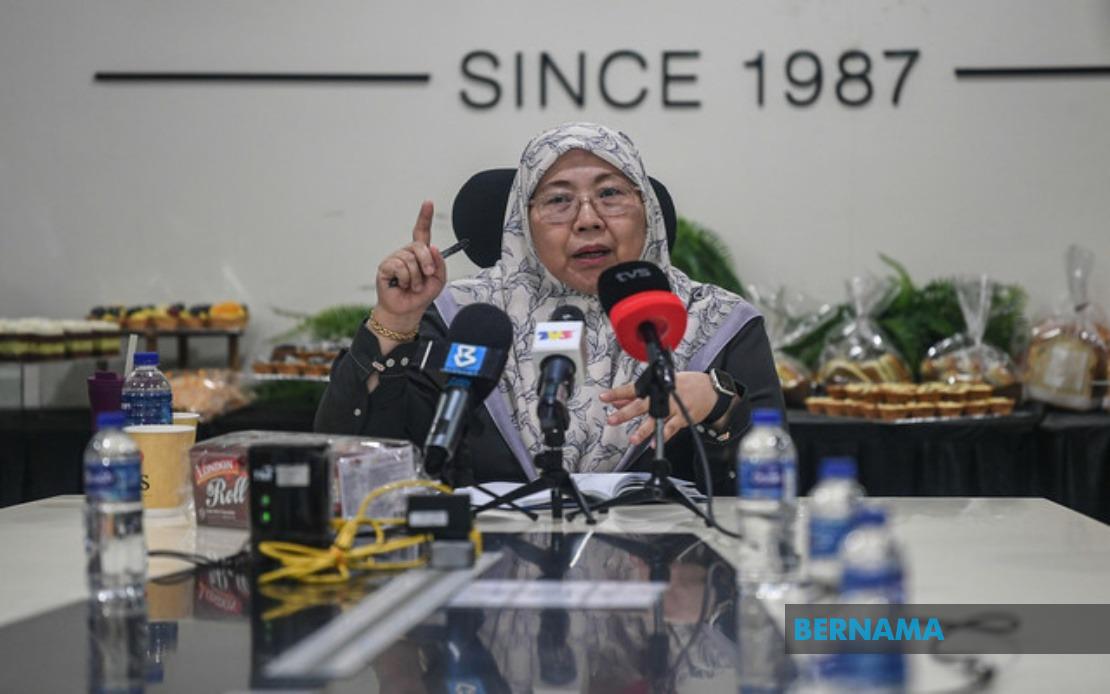
A wave of departures from PKR to the Malaysian Indian Congress has exposed internal frustrations within the coalition party, with senior leadership attributing the losses to rank-and-file members aggrieved at being passed over for organizational positions. Datuk Dr Fuziah Salleh, the party's secretary-general, characterized the exodus as somewhat puzzling during remarks made in Johor Bahru on June 30, though she acknowledged that party investigations had uncovered the root cause behind members' decision to switch allegiances.
The specific trigger for the recent round of defections came on June 28, when M. Murugan, who previously served as vice-chairman of the Johor PKR State Leadership Council, publicly announced his departure alongside approximately 200 supporters. The group formally transferred their membership to the MIC Iskandar Puteri division, marking a notable shift in political alignment ahead of a closely watched state contest. Murugan's announcement represented the kind of visible leadership defection that carries symbolic weight in Malaysian politics, potentially signalling deeper organizational problems within PKR's Johor structure.
Fuziah's characterization of the departures as rooted in position-seeking appears designed to minimize their significance, framing the losses as disappointment over career advancement rather than fundamental policy or leadership disagreements. During a press conference held following an official visit to a local food manufacturing facility in Skudai, she indicated that internal party analysis had identified unmet expectations regarding appointment to party roles as the primary motivation. By publicly wishing the departing members success in their new political home, Fuziah adopted a gracious tone that nonetheless underscores the transactional nature of political participation that sometimes characterizes Malaysian politics.
The timing of these defections coincides with intensifying political manoeuvring across the coalition landscape in Johor, particularly following PAS president Tan Sri Abdul Hadi Awang's recent call for voters to reject Pakatan Harapan candidates. Fuziah interpreted the PAS statement as potentially indicating a rekindling of cooperation between PAS and Barisan Nasional, two entities that have historically alternated between alliance and opposition depending on political circumstances and electoral calculations. The senior PKR figure encouraged Johor voters to carefully evaluate the shifting political terrain before casting ballots in the forthcoming state election, suggesting that the landscape remains fluid and subject to unexpected developments.
The strategic implications of PAS's positioning extend beyond the immediate context of Johor politics. Fuziah's analysis suggested that the Islamist party's public move against Pakatan Harapan could prove counterproductive for Perikatan Nasional, the broader coalition framework that includes PAS alongside other parties. Rather than successfully drawing support away from BN as some observers had theorized, PAS's public statements appeared instead to create internal friction within PN's own ranks, potentially exposing divisive tensions that leadership had sought to paper over through coordination discussions.
From Fuziah's perspective, the unfolding dynamics may ultimately benefit Pakatan Harapan by allowing the coalition to position itself as a stable alternative amid the visible fractures emerging within competing political groupings. The apparent effort by PN components to compete for BN voter support, rather than consolidating opposition forces around a unified platform, could dilute anti-government sentiment and fragment the vote in ways favourable to the ruling coalition. This strategic assessment reflects PKR's understanding that electoral mathematics in Johor favour scenarios where opposition strength becomes scattered across competing camps rather than concentrated in organized fashion.
The Johor state election framework itself involves 172 candidates contesting 56 legislative seats, creating a competitive environment where even modest shifts in voter allegiance or turnout patterns can produce significant seat swings. Polling is scheduled for July 11, with early voting opportunities available on July 7, giving voters across the state a defined window to participate in determining Johor's political direction. The contest carries statewide implications given Johor's size and economic importance within Malaysia's overall political economy.
For Malaysian observers tracking coalition dynamics, the PKR defections illustrate persistent challenges facing multi-party political groupings seeking to maintain cohesion across diverse membership bases. The gap between organizational positions available and aspirants seeking such roles remains a recurring source of internal friction within major parties, particularly during periods when electoral competition intensifies and political advancement becomes more contested. Whether defections of this scale represent isolated incidents or symptoms of broader organizational weakening within PKR remains an open question that will likely become clearer once the Johor state election results are finalized.
The broader context of coalition politics in Malaysia shows that temporary realignments and tactical repositioning frequently precede major electoral contests, as parties seek optimal positioning and individual politicians reassess their career trajectories based on shifting circumstances. The movement of M. Murugan and his supporters from PKR to MIC should be understood within this framework of ongoing political negotiation and adjustment, rather than as unprecedented or necessarily damaging to Pakatan Harapan's electoral prospects. Nevertheless, the fact that such departures remain notable enough to warrant public statements from senior party leadership indicates their continued political significance within Malaysia's media ecosystem.

