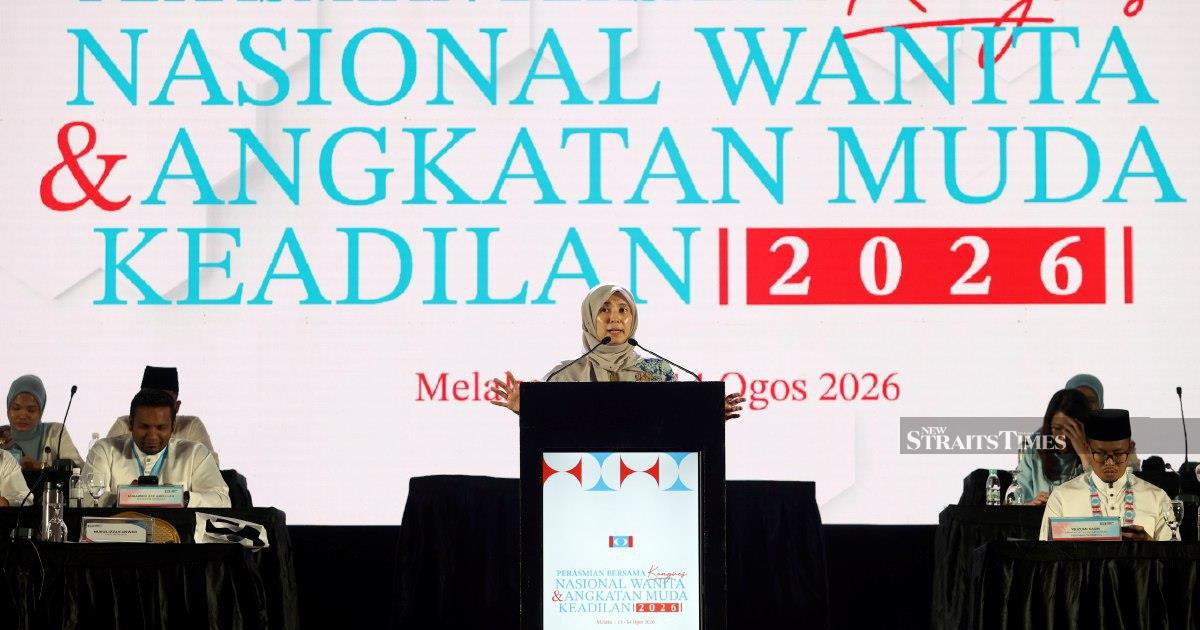
Malaysia's opposition-aligned PKR party must establish unmistakable boundaries that prevent political expediency from becoming a cover for misconduct, according to deputy president Nurul Izzah Anwar, who articulated concerns about the party's direction during remarks made in Ayer Keroh.
Nurul Izzah's intervention reflects growing scrutiny of PKR's positioning as a major player in Malaysia's fluid political landscape. The party, which sits within the Pakatan Harapan coalition and has parliamentary representation, faces ongoing questions about how it balances pragmatic coalition-building with maintaining principled governance standards. Her warning suggests internal dialogue within PKR circles about the risks of political compromise being weaponised to excuse dubious practices.
The concept of "red lines" in politics refers to non-negotiable principles that a party or politician refuses to compromise on, regardless of circumstantial pressure or electoral advantage. Nurul Izzah's explicit framing indicates PKR leadership believes the party requires greater clarity on what conduct remains unacceptable, even when pursued by allies or during coalition negotiations. This speaks to a broader Malaysian political challenge: as parties form coalitions and navigate minority governments, the temptation to overlook transgressions in exchange for political support intensifies.
Corruption and abuse of power remain persistent challenges in Malaysian governance. The previous administration saw multiple high-profile prosecutions related to financial crimes and misuse of office, events that shaped public expectations for reform-minded parties like PKR. When Nurul Izzah emphasises that political compromise should never become justification for such wrongdoing, she is addressing a tension that haunts coalition politics across Southeast Asia—the gap between campaign promises of clean government and the compromises required to maintain governing coalitions.
PKR's own history contains relevant context. The party emerged from anti-corruption activism and has positioned itself as a reformist force, yet has also participated in pragmatic political arrangements. This dual identity creates internal pressure about how far the party should bend to accommodate allies whose records or methods might not align with reform principles. Nurul Izzah's call for clearer boundaries suggests some party figures believe PKR risks losing moral authority if it appears to condone unacceptable behaviour in pursuit of political gains.
The timing of these remarks carries significance for Malaysia's evolving political environment. With multiple parties jockeying for influence and coalitions subject to rupture, PKR's strategic choices shape not only government composition but also the tone of political discourse. If a major coalition party appears willing to overlook abuse of power for partnership benefits, it sends damaging signals about the seriousness of reform commitments made to voters during elections.
Nurul Izzah's position as deputy president gives her comments particular weight. She represents a faction within PKR that emphasises principled governance, yet she also operates within a party structure where different factions negotiate constantly. Her public statement can be read as internal persuasion—attempting to move PKR consensus toward stronger ethical guardrails—rather than mere external posturing. This interpretation gains credibility given her family's prominence in Malaysian politics and her own activist background.
The practical challenge lies in implementation. Identifying red lines and actually enforcing them are distinct exercises. A political party might formally declare certain practices unacceptable, only to find enforcement difficult when powerful individuals or coalition partners transgress. Southeast Asian political systems frequently struggle with this gap between stated principles and actual conduct, particularly when coalition mathematics make disciplinary action costly. PKR's challenge involves creating internal mechanisms that make enforcement credible rather than discretionary.
For Malaysian voters evaluating coalition partners, Nurul Izzah's intervention offers interpretive value. It suggests ongoing debate within PKR about ethical standards, though it remains unclear whether this debate will produce binding commitments. The remarks also indicate awareness that anti-corruption credentials matter to PKR's base and broader coalition supporters, particularly those who backed Pakatan Harapan partly because of reform promises.
Regionally, PKR's grappling with these issues reflects broader Southeast Asian political dynamics. As democracies in the region mature and face pressures from populism, coalition instability, and corruption risks, parties must continually justify why principled governance matters even when compromise offers tactical advantages. Malaysia's experience with coalition politics, having cycled through multiple configurations in recent years, provides sobering lessons about the costs of abandoning ethical markers.
Nurul Izzah's call ultimately places responsibility on PKR members and leadership to move beyond rhetorical commitment to concrete boundaries. The party's credibility with voters and coalition partners depends partly on whether it can demonstrate that stated red lines translate into actual constraints on behaviour. Her public articulation of this imperative suggests she believes clarification and possibly reform of party disciplinary processes merit urgent attention.
Looking forward, PKR's ability to maintain ethical distinctiveness while remaining pragmatically engaged in coalition politics will shape its trajectory and influence on Malaysian governance. The deputy president's intervention, whatever its immediate impact on party decision-making, underscores that reform-oriented parties cannot take their integrity for granted once they achieve political power or proximity to it.

