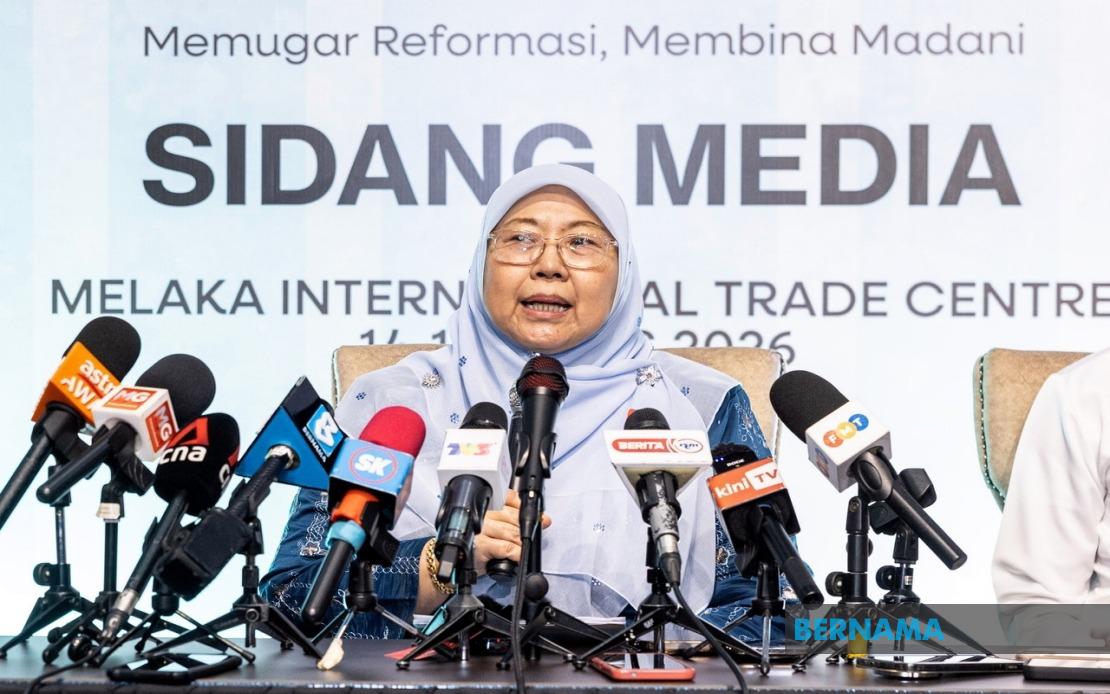
Parti Keadilan Rakyat has adopted a flexible arrangement regarding deputy president Nurul Izzah Anwar's planned absence from party duties to undertake further academic pursuits, with no specific end date established for her leave. The flexible timeframe reflects PKR's commitment to supporting members who seek to enhance their qualifications while maintaining their party positions, according to party secretary-general Senator Datuk Dr Fuziah Salleh.
Fuziah made the announcement during a press conference at the Melaka International Trade Centre in Ayer Keroh on August 14, following the opening of PKR's 2026 National Congress. The statement came as the party held simultaneous congresses for Angkatan Muda Keadilan, its youth wing, and Wanita PKR, the women's section, where Nurul Izzah officiated key proceedings.
Prior to her departure, Nurul Izzah will complete her ceremonial obligations at the ongoing three-day congress, including presiding over the AMK and Wanita congress sessions, participating in debate forums, and delivering closing remarks. This arrangement ensures continuity in the party's internal processes while accommodating her academic transition, demonstrating PKR's pragmatic approach to managing leadership responsibilities during member absences.
The party's measured stance on her leave reflects broader considerations within Malaysia's political landscape, where balancing professional development with political engagement remains an ongoing challenge. By declining to impose strict temporal boundaries, PKR signals confidence in its institutional depth while honouring the personal aspirations of senior figures. This approach also mitigates potential friction that might arise from premature deadlines, instead fostering an environment where members feel supported in pursuing self-improvement.
Fuziah emphasized that PKR would enthusiastically receive Nurul Izzah back into her deputy presidential role whenever she determined she was prepared to resume full engagement with party functions. This welcoming posture underscores the party's valuation of her leadership contributions and suggests an expectation that her academic pursuits will ultimately strengthen her capacity to serve the party and its constituents.
The announcement arrives as PKR navigates significant internal developments and strategic positioning within Malaysia's coalition government framework. The 2026 National Congress serves as a platform for the party to articulate its vision, reform initiatives, and policy directions—matters of considerable importance given the political environment's ongoing evolution. By maintaining stability in leadership structures during such congresses, PKR can focus collective attention on substantive party matters and strategic deliberation.
Fuziah indicated that PKR president's keynote address would encompass the party's foundational principles, organizational trajectory, and upcoming challenges. The Congress itself would permit delegates substantial autonomy to introduce motions for collective debate, including proposals aimed at strengthening party governance and cohesion. This democratic approach to internal deliberation reflects PKR's identity as a reform-oriented party committed to institutional transparency and membership participation.
Nurul Izzah's decision to pursue further studies while holding deputy presidential rank aligns with contemporary trends among Southeast Asian political figures who increasingly combine public service with academic development. This pattern reflects recognition that sophisticated policy-making and political leadership benefit from continuous learning and exposure to contemporary scholarship. Her temporary absence thus represents an investment in the quality of leadership PKR can provide both internally and through government engagement.
The lack of a fixed return date also provides strategic flexibility for PKR's organizational planning. Should circumstances change—whether through accelerated academic progress or modified party requirements—the arrangement permits adjustment without the complications that would accompany violations of predetermined deadlines. This flexibility becomes particularly valuable in the Malaysian political context, where coalition dynamics and parliamentary schedules frequently demand rapid adaptations.
Fuziah's reassurance that PKR welcomes Nurul Izzah's eventual return addresses potential concerns among party members regarding the stability of senior leadership positions. Her deputy presidency, being a significant institutional office, carries implications for succession planning and internal power dynamics. By publicly affirming her place within the party hierarchy regardless of timing, PKR's leadership provides confidence to the broader membership regarding organizational coherence.
The broader significance of this announcement extends beyond PKR itself to regional political trends. Across Southeast Asia, political parties increasingly grapple with retaining talented members who seek professional development or advanced credentials. How organizations like PKR navigate these situations influences their capacity to attract and retain capable leadership, potentially affecting their competitive positioning and governance capacity over extended periods.
As Nurul Izzah embarks on her academic journey, her absence will test PKR's institutional readiness and the capability of other senior figures to assume expanded responsibilities. This developmental moment offers opportunity for succession planning and organizational resilience-building, factors essential for any political party's long-term viability. The graceful accommodation of her leave demonstrates mature institutional management that may enhance rather than diminish PKR's overall organizational strength.

