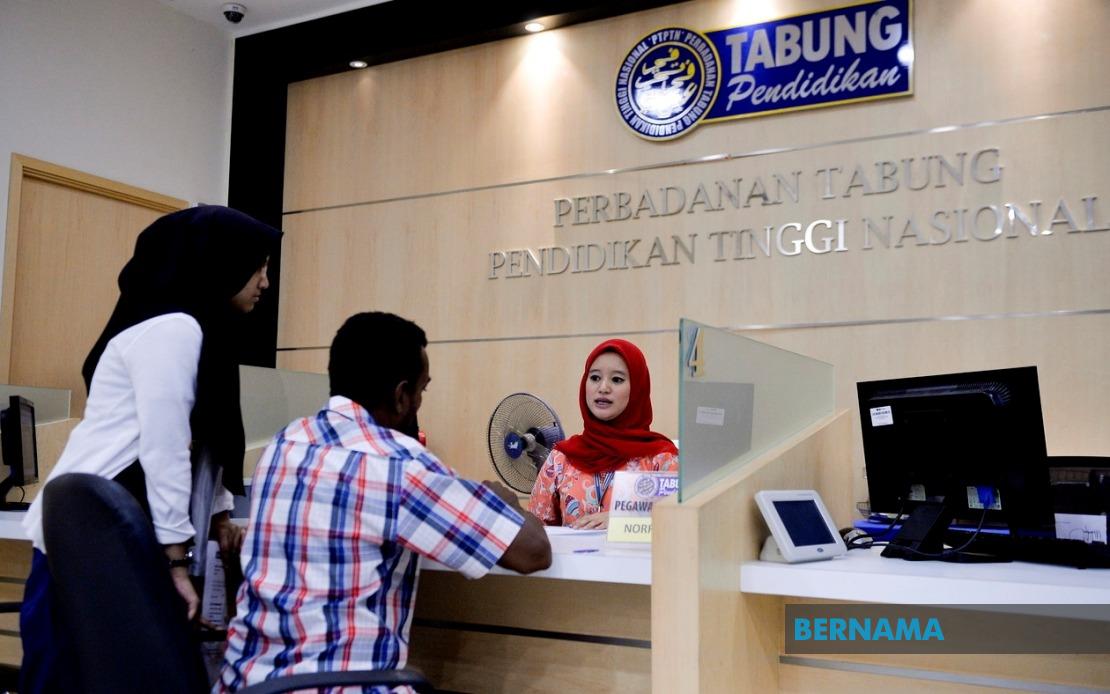
The Women's Wing of Parti Keadilan Rakyat has called on the government to overhaul the National Higher Education Fund Corporation's repayment framework, specifically targeting the removal of a 15 per cent debt collection agency fee and establishing a pathway for borrowers to negotiate loan restructuring directly with PTPTN without intermediaries. The advocacy, articulated by PKR Wanita executive committee member Karen Kasturi, reflects growing concern that the current system is compounding financial difficulties for an already vulnerable segment of Malaysia's workforce.
Karen Kasturi's intervention comes at a critical juncture in the national conversation around education financing. While acknowledging the government's recent openness to discussing the broader question of whether PTPTN itself should be retained or reformed—a position first signalled by Prime Minister Datuk Seri Anwar Ibrahim in the Dewan Rakyat—the PKR Wanita leadership has identified a more immediate crisis demanding urgent redress. Thousands of existing borrowers are currently trapped in a system where they face compounded payment obligations that many argue have become structurally unreasonable.
The crux of the complaint centres on what activists describe as a punitive debt collection mechanism. Borrowers whose accounts have been classified as long-standing defaults are required to settle as much as 50 per cent of their total outstanding balance as a lump sum, then pay an additional 15 per cent charge levied by debt collection agencies contracted to recover these debts. For individuals already struggling with cash flow and financial instability, this layered fee structure transforms what should be a manageable repayment into an insurmountable barrier to compliance. The psychological and practical effect is perverse: borrowers who genuinely wish to resolve their obligations find the pathway deliberately obscured by escalating costs.
Kasturi highlighted a particularly troubling administrative inconsistency that has generated widespread frustration. Borrowers attempting to find relief through loan restructuring have been advised to contact PTPTN directly to discuss repayment modifications, yet when they follow these instructions, they are redirected to third-party debt collection agencies instead. This circular referral system, operating without transparent explanation or negotiating authority vested in borrowers, has created a maze that deters genuine attempts at settlement. The absence of clear guidance compounds the uncertainty, leaving many uncertain whether restructuring is genuinely available or merely a bureaucratic fiction.
The underlying argument advanced by PKR Wanita extends beyond procedural complaint to touch on fundamental principles of fairness and social policy. The proposition is that PTPTN borrowers should not be treated exclusively as defaulting debtors to be squeezed by collection machinery, but rather as Malaysian citizens who invested in human capital through higher education and are now attempting to stabilize their economic circumstances. From this perspective, the existing fee structure operates as a regressive tax on the educated poor, penalizing those who took out loans to improve their prospects but subsequently faced economic headwinds.
Kasturi's call for immediate implementation of reforms reflects an understanding that any broader discussion of PTPTN's future—whether it should be abolished, restructured, or retained—cannot delay relief for current borrowers. The government's recent signals about examining PTPTN's strategic future are welcome, but they risk becoming a pretext for inaction on the immediate humanitarian dimension of the crisis. Thousands of individuals cannot wait for multi-year policy deliberation to conclude; they need breathing room now.
The proposal to permit direct restructuring negotiations between borrowers and PTPTN, bypassing debt collection agencies entirely, would fundamentally alter the power dynamics of the relationship. Currently, borrowers face asymmetrical pressure: they are expected to comply with demands from external agencies with no obligation to negotiate meaningfully. Direct engagement with PTPTN would theoretically restore some agency to borrowers, allowing them to present their circumstances and negotiate arrangements proportionate to their capacity rather than subject to mechanistic collection protocols. This rebalancing is essential for transforming PTPTN from a predatory collection operation into a genuine financing partner.
The specific reference to B40 and M40 income groups is strategically significant, as these segments face the greatest vulnerability to debt spirals. Individuals earning below RM4,850 monthly (B40) and those in the RM4,851 to RM10,959 range (M40) have the least capacity to absorb the additional 15 per cent collection fees and lump-sum payment demands. For this demographic, a PTPTN loan intended to unlock educational opportunity has become a financial straitjacket. Targeted assistance tailored to income levels would ensure that repayment obligations remain proportionate to earning capacity.
Kasturi also raised concerns about the impact on Employees Provident Fund withdrawals used for loan repayment. Under current rules, borrowers can access EPF savings specifically for PTPTN settlement, but when intermediary collection agencies extract their fees, the net amount reaching PTPTN is diminished. This means that retirees and workers drawing down savings to clear education debt end up losing a portion to collection machinery, reducing the effectiveness of the EPF withdrawal mechanism. The implicit suggestion is that EPF funds should flow directly to PTPTN without interception by third parties.
From a regional perspective, Malaysia's experience with PTPTN debt accumulation reflects wider Southeast Asian challenges around education financing. As countries across the region grapple with how to fund mass higher education while managing government budgets, the risks of creating unsustainable debt burdens for graduates have become apparent. Thailand, Indonesia, and the Philippines have all confronted variants of this problem, where education loans intended as mobility mechanisms instead trap borrowers in extended financial servitude. Malaysia has an opportunity to learn from these cautionary tales and design a system that genuinely serves borrower interests rather than maximizing collection revenues.
The timing of PKR Wanita's intervention is politically significant as well. By framing PTPTN reform as a women's wing priority, the party is signalling that education financing is a gender equity issue—women, particularly in lower income brackets, are disproportionately burdened by education debt and face greater barriers to negotiating favorable repayment terms. This gendered lens adds normative weight to the demands for immediate restructuring and direct negotiation rights.
The government's response to these demands will serve as a test of its commitment to substantive reform versus cosmetic adjustment. Scrapping the 15 per cent collection fee would immediately ease financial pressure on tens of thousands of borrowers and could be implemented through administrative directive rather than requiring new legislation. Establishing a direct negotiation mechanism similarly demands institutional reconfiguration rather than legal innovation. These are reforms entirely within the government's executive power to implement, making any delay appear as political resistance to addressing borrower welfare.
As Prime Minister Anwar Ibrahim and Higher Education Minister Datuk Seri Dr Zambry Abd Kadir prepare to discuss PTPTN's future, the voices of current borrowers must be centered in that conversation. PKR Wanita has amplified those voices, making clear that while visionary discussion of abolishing PTPTN may be worthwhile, it cannot obscure the immediate moral obligation to stop inflicting additional pain on those already struggling under education debt. The choice before policymakers is whether to treat this as an urgent humanitarian matter demanding swift action or as another item in a lengthy reform agenda.

