PKR Youth (AMK) has begun a concerted push to ready itself for the upcoming Melaka state election, with party leadership directing regional units to prioritise the strengthening of electoral infrastructure and community-level programming. The move signals recognition within the party that effective groundwork will be essential to improving its performance in the state, where Pakatan Harapan currently holds a narrow foothold following the 2021 elections.
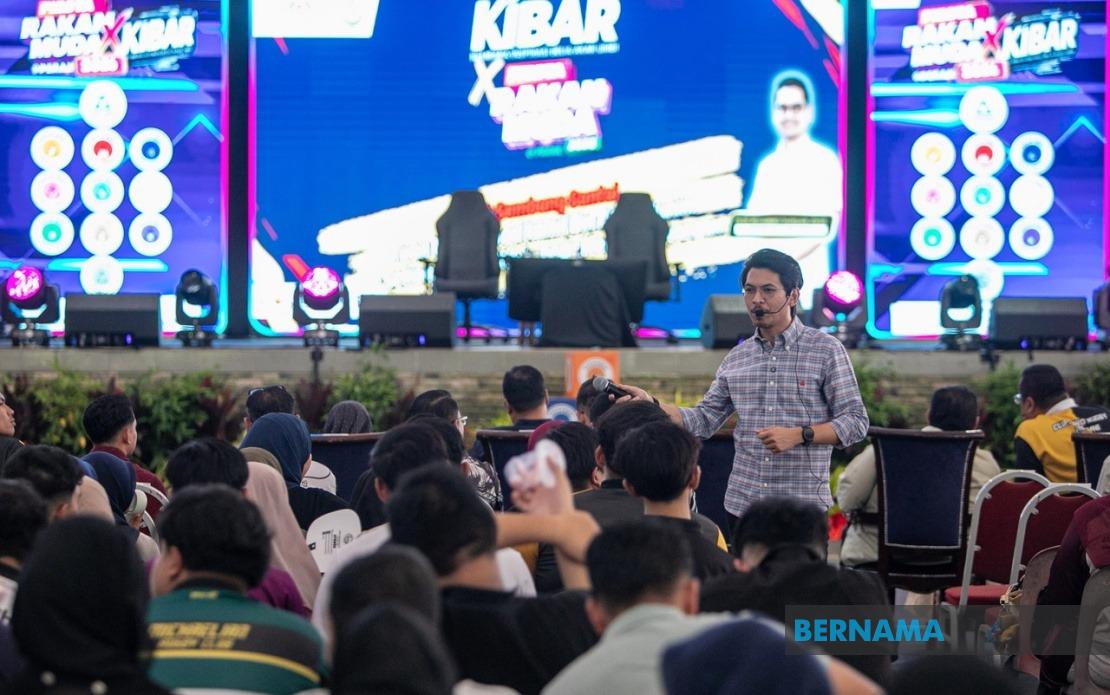
Muhammad Kamil Abdul Munim, who leads AMK, underscored the importance of having election machinery, programmes and broader preparations in optimal condition before polling day arrives. Speaking after participating in the Perak-level iteration of the Kembara Inspirasi Belia Akar Umbi (KIBAR) Town Hall in Kuala Kangsar, he made clear that the youth wing's focus remains on operational readiness rather than candidate selection, a matter he said would be determined through dialogue among senior figures within the Pakatan Harapan coalition.
The timing of these efforts is significant given that the 15th Melaka State Legislative Assembly's mandate expires in December, creating a defined window for campaign activities. While no election date has been formally announced, political observers anticipate polling will occur within the coming months, leaving limited time for parties to mobilise supporters and refine their messaging.
The backdrop to AMK's preparations is the thin margin by which Pakatan Harapan currently operates in Melaka. In the 2021 state election, the coalition captured just five of the 28 state assembly seats—Kota Laksamana, Kesidang, Bandar Hilir, Bukit Katil and Ayer Keroh—compared to Barisan Nasional's commanding 21-seat majority and Perikatan Nasional's two seats. This distribution underscores the uphill battle facing the opposition in a state that has historically favoured the ruling coalition, and explains why PKR Youth is treating election preparations with such urgency.
AMK's focus on grassroots engagement reflects a broader recognition within Pakatan Harapan that electoral success in Melaka will require sustained community outreach and the mobilisation of younger voters who may not have been energised in previous campaigns. The emphasis on strengthening election machinery suggests the youth wing is investing in volunteer networks, data management, and coordinated canvassing efforts that can sustain momentum across the state's diverse constituencies.
Parallel to these state-level activities, AMK is also leveraging national youth programmes to build political capital and engage younger demographics. The KIBAR initiative, organised by the Youth and Sports Ministry, attracted over 600 participants aged 15 to 30 during the Perak town hall session. Muhammad Kamil characterised the programme as providing a platform through which young people could articulate concerns, offer suggestions, and pose questions directly to political leadership—a potential avenue for identifying issues that resonate with younger voters heading into elections.
The expansion of KIBAR across the country indicates a strategic effort by Pakatan Harapan to embed youth participation into its broader political infrastructure. By creating channels for younger voices to influence party direction and campaign priorities, the coalition seeks to develop a more engaged base capable of delivering ground-level support during electoral contests. This approach acknowledges demographic realities in Malaysia, where younger voters increasingly expect to have a substantive voice in political processes rather than simply being mobilised as passive supporters.
For Malaysian and Southeast Asian observers, the Melaka election assumes wider significance as a bellwether for opposition fortunes and broader coalition dynamics. Pakatan Harapan's performance will partly reflect whether the alliance can consolidate support and overcome structural disadvantages in states controlled by Barisan Nasional. A strong showing could validate the coalition's strategy of focusing on grassroots mobilisation and youth engagement; a weak result might suggest that deeper structural reforms are needed to improve electoral competitiveness in states where the opposition faces entrenched advantages for the incumbent.
The decision to postpone discussions on seat allocation and candidate nomination until senior Pakatan Harapan leaders convene reflects ongoing coalition management challenges. Determining which party within the alliance fields candidates in contested seats requires balancing considerations of local strength, party representation, and electoral viability—negotiations that historically have proven contentious within the coalition. The deferral of these decisions until later stages of preparation provides time for coalition partners to assess ground conditions and negotiate from positions informed by contemporary political sentiment.
AMK's preparations also occur within the context of broader political competition in Melaka, where state politics continues to be shaped by factional tensions, defections, and shifting coalitional arrangements. The state has experienced considerable political turbulence since 2018, with multiple changes of government reflecting volatility among elected representatives and voters. Against this background, PKR Youth's emphasis on institutional preparation and systematic grassroots engagement represents a deliberate effort to provide stability and consistency to the opposition's campaign machinery.
Looking forward, the success of AMK's preparations will likely be measured against tangible outcomes in December and beyond. Whether intensified campaign machinery and community programming translates into improved electoral performance remains to be seen, but the strategic focus on grassroots engagement and youth mobilisation reflects a maturing approach within the opposition to the long-term work required to build sustainable political power in states where they currently operate from positions of relative weakness.

