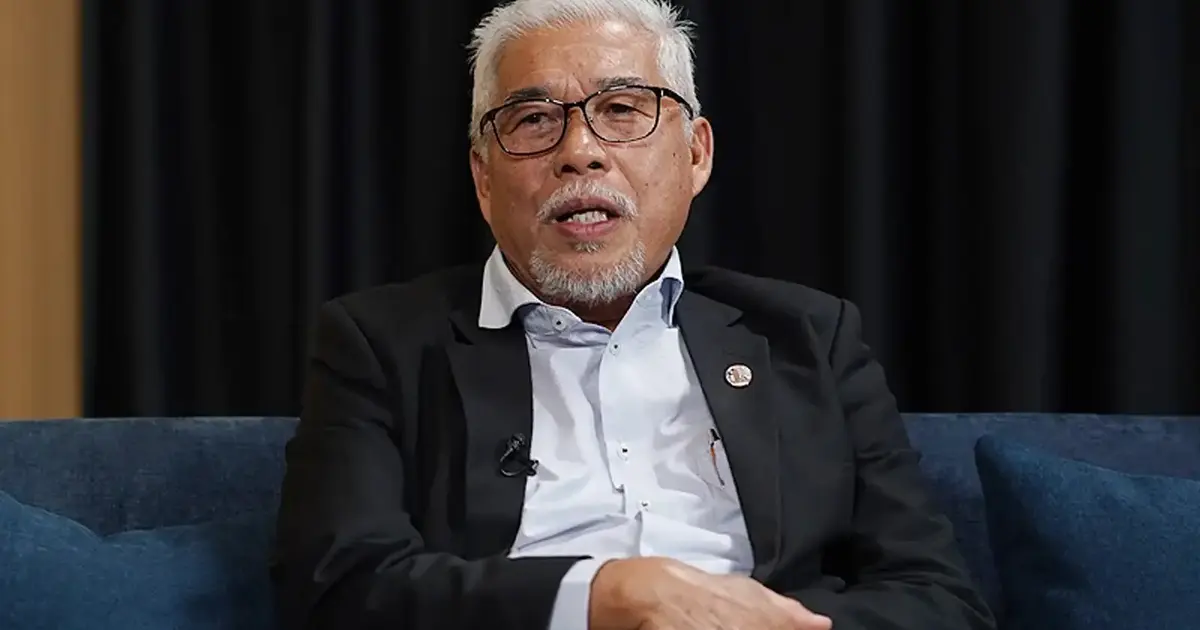
Pasir Gudang Member of Parliament Hassan Karim has thrown his weight behind a measured approach to Malaysia's electoral calendar, urging political leaders to resist the temptation of calling a snap general election and instead allow the current administration to complete its full term. The PKR politician's intervention reflects growing debate within government circles about the optimal timing for returning to the polls, with competing pressures from various coalition partners and considerations about economic readiness.
Karim's position represents a pragmatic argument centred on economic performance. He contends that rushing to the ballot box would squander valuable time needed for the government's policy initiatives to demonstrate tangible improvements in living standards and economic conditions across Malaysia. This rationale carries particular weight in the current environment, where inflation concerns, employment challenges, and cost-of-living pressures remain prominent issues for ordinary Malaysians. By allowing policies to mature and produce measurable outcomes, the government could present voters with concrete evidence of its stewardship rather than promises alone.
The Pasir Gudang MP's call for stability through late 2027 or early 2028 effectively supports maintaining the current parliamentary term, which under Malaysia's constitutional framework could extend to 2028 depending on when Parliament was dissolved for the last general election held in November 2022. This timeline provides approximately another year and a half of runway for economic initiatives to take hold and deliver results that could strengthen the government's electoral position.
His intervention comes amid periodic speculation about potential early elections, driven by coalition dynamics and political calculations. Certain parties within the ruling coalition have occasionally tested the waters regarding early dissolution possibilities, and opposition movements have sought to position themselves competitively for contests that might occur sooner than the natural expiration of the parliamentary term. Hassan Karim's statement effectively pushes back against such scenarios, advocating for continuity and demonstrating that not all government legislators are preoccupied with early election strategies.
The PKR politician's emphasis on allowing economic policies to show results reflects lessons from past election cycles, where voters have shown responsiveness to demonstrable improvements in their material circumstances. Whether addressing infrastructure projects, wage adjustments, targeted subsidies, or business support measures, the argument goes that policies need sufficient implementation time before their efficacy can be meaningfully evaluated. Cutting the legislative term short would undermine this objective, leaving initiatives incomplete and their impact unmeasured.
Beyond the immediate political calculus, Karim's position aligns with broader concerns about governance continuity and predictability. Malaysia's business community and international observers often value policy consistency and legislative stability, particularly when reforms or structural adjustments are underway. Frequent elections or prolonged campaigning can distract governments from their developmental agenda and create investor uncertainty. A full term duration signals commitment to medium-term planning and implementation, qualities that contribute to economic confidence.
The stance also reflects awareness that excessive electoral competition can intensify partisan divisions and divert resources from productive governance into campaign activities. Political parties, when not actively contesting elections, can dedicate greater attention to legislative work, constituent services, and policy refinement. Hassan Karim's advocacy for a complete term implicitly recognises these dynamics and the value of extended periods between electoral contests.
Within PKR specifically, this intervention demonstrates the party's internal diversity of opinion on electoral strategy. As a coalition member that contributes ministers and MPs to the current administration, PKR has direct stakes in the government's longevity and policy track record. However, different PKR figures may hold varying views about optimal election timing, reflecting broader coalition tensions around this question. Karim's public statement places him among those prioritising governance delivery over electoral opportunism.
For Malaysian voters and observers, the debate over election timing carries implications beyond procedural considerations. Frequent electoral contests can lead to fatigue and reduced participation, while also increasing costs associated with campaigning and administration. Conversely, extended periods without elections may reduce citizens' opportunities to refresh their electoral mandate or respond to changing circumstances. Hassan Karim's position essentially argues that the current circumstances favour maintaining the existing parliamentary arrangement rather than disrupting it prematurely.
The international context matters too. Malaysia's regional standing and economic relationships benefit from demonstrable policy continuity and strong governance performance. Competitors like Singapore and other developed nations emphasise stable, professional administration as attractive features for investment and talent retention. Regular political disruptions can undermine such positioning, even if domestic political considerations might sometimes favour earlier electoral contests.
Looking ahead, Karim's intervention likely influences coalition discussions about electoral strategy. While his voice alone cannot determine outcomes, it contributes to a narrative supporting full-term completion and provides political cover for other government figures and parties inclined toward similar positions. Coalition leaders contemplating the timing question now have clearer support for the continuity argument from an established PKR parliamentarian.
The broader significance of Hassan Karim's statement extends to how Malaysian politics manages the recurring tension between electoral representation and effective governance. His advocacy for allowing policies to demonstrate results before facing electoral judgment articulates a recognisable position in democratic politics globally—one emphasising that governments need reasonable opportunity to deliver on their mandates before returning to voters.

