The National Service Training Department has accommodated the democratic participation of 77 trainees enrolled in the third cohort of the PLKN 3.0 programme for 2026, granting them leave to cast votes in the Johor and Negeri Sembilan state elections. This accommodation reflects a deliberate policy decision to uphold citizens' electoral rights while sustaining the integrity of the mandatory national service scheme.
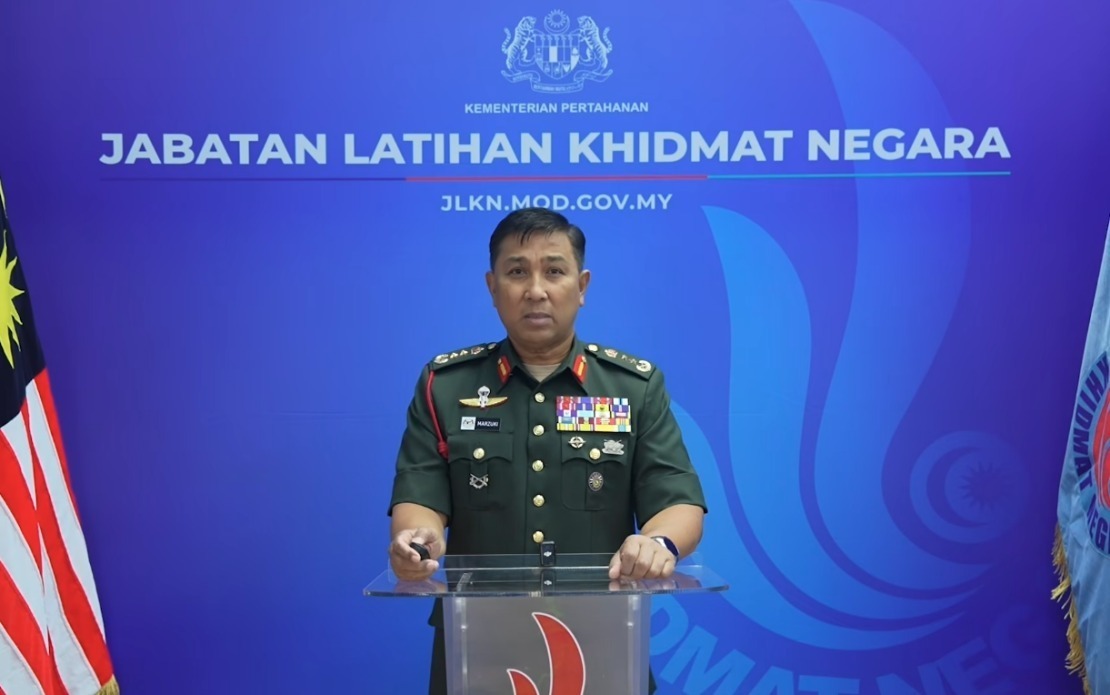
Major General Datuk Marzuki Mokhtar, the director general of JLKN, outlined the arrangements in a statement, emphasising that the department views voter participation and national service training as complementary rather than competing obligations. By facilitating voting opportunities, the government demonstrates its commitment to nurturing informed citizenship among young Malaysians who are concurrently undergoing national education and unity programmes.
The logistical arrangements differ based on election timing. The 31 trainees eligible to vote in the Johor state election were permitted to absent themselves on polling day, with instructions to rejoin their respective camps the following morning. This compressed schedule minimises disruption to the overall training timeline while ensuring these individuals can fulfil their electoral duties without penalty or hindrance.
The situation regarding Negeri Sembilan presents a more extended timeline. Forty-six trainees voting in that state on August 1 receive two to three days of consecutive leave, factoring in travel considerations and the actual voting process. This more generous allocation acknowledges the geographical distance some trainees may need to traverse to reach their registered polling stations and return to their training camps.
The third iteration of PLKN currently operates across three locations nationwide, with the broader cohort comprising 870 confirmed participants. Camp 505 AW in Pekan, Pahang, hosts the largest concentration with 500 trainees, reflecting the facility's established capacity and logistical infrastructure. Camp 515 AW in Kuala Lumpur accommodates 250 participants, providing convenient access for trainees from the Klang Valley and surrounding regions. Camp 504 AW in Bukit Keteri, Perlis, serves 120 trainees, supporting the northern corridor's representation in the mandatory service programme. The entire training cycle extends from July through August 24, creating a structured environment where civic obligations must be coordinated with the intensive national education curriculum.
This policy development carries implications for Malaysia's broader approach to youth engagement and democratic participation. By actively facilitating voting among young adults, the government signals that electoral participation is not merely encouraged but actively supported within state institutions. This contrasts with systems where structural barriers inadvertently discourage young voters from exercising franchise rights, and positions PLKN as an institution that bridges military discipline with democratic values.
The accommodation also reflects practical recognition of demographic realities. PLKN participants represent a cross-section of Malaysian youth aged around 18 to 21, many of whom are exercising voting rights relatively early in their adult lives. The timing of these state elections coincides with a programme cycle, creating a natural policy challenge. Rather than treating such overlap as an insurmountable administrative obstacle, the department has determined that flexibility serves the broader national interest.
Simultaneously, JLKN has issued reminders to prospective participants for the fourth cohort of PLKN 3.0 scheduled for 2026, particularly those born in 2008 who fall within the recruitment window. The department emphasises that applicants should monitor official channels exclusively for authentic announcements regarding selection procedures and registration deadlines. This guidance carries heightened importance given the prominence of national service in public discourse and the potential for fraudulent recruitment claims or misinformation to circulate among uninformed youth and families.
The caution against unauthorised recruiting agents or intermediaries underscores a recognised vulnerability in the enrolment process. As PLKN has expanded and gained higher public visibility, instances of individuals falsely claiming authority to recruit on the department's behalf have reportedly emerged. By explicitly warning prospective trainees and their guardians to rely only on verified government sources, JLKN attempts to prevent deception that could undermine the programme's integrity or subject families to financial exploitation.
For Malaysian observers, the voting leave arrangement exemplifies how mandatory national service programmes can adapt to accommodate democratic imperatives. Rather than viewing compulsory military training and electoral participation as inherently conflicting, the policy demonstrates that thoughtful administrative measures can accommodate both without substantially compromising either objective. This flexibility may serve as a model as PLKN expands and encounters similar scheduling conflicts with future electoral cycles or other civic obligations.

