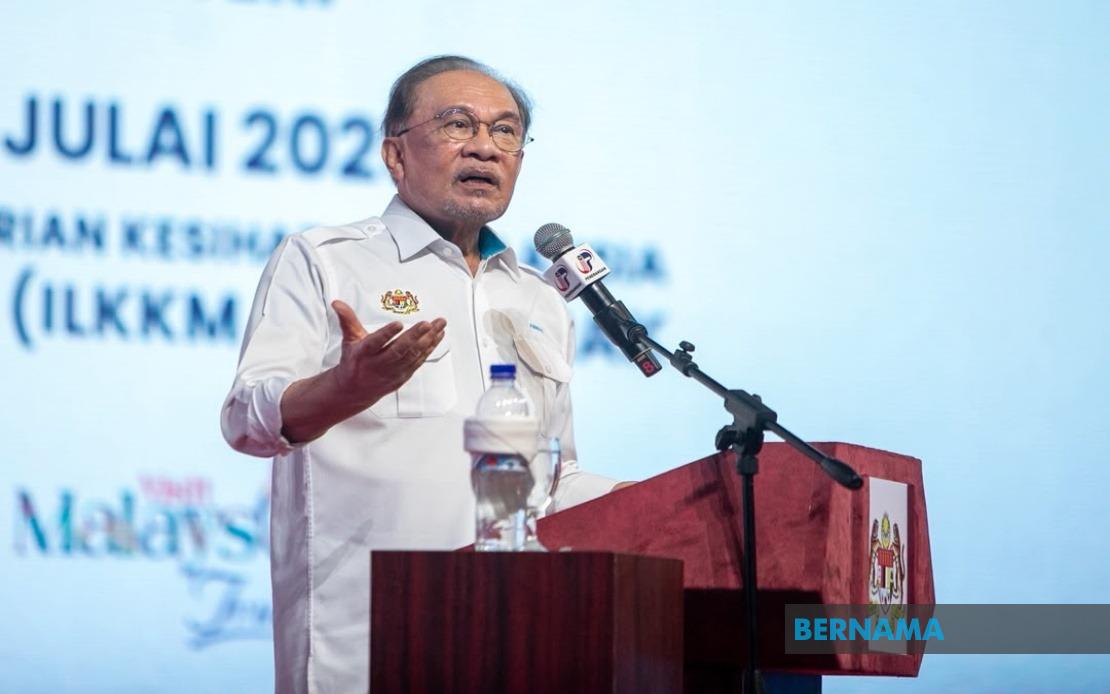
Prime Minister Datuk Seri Anwar Ibrahim has called on Malaysia's youth to recognise and treasure the historical journey that secured the nation's independence, emphasising that understanding this legacy remains crucial for building a united future. Speaking in Ipoh at the official launch of the 2026 National Month and Fly the Jalur Gemilang Campaign, Anwar underscored the gap between contemporary generations and those who fought for freedom, stressing that appreciation for national history cannot be taken for granted.
The Prime Minister articulated a three-part framework for understanding independence: revisiting historical narratives, symbolically uniting through the flag, and progressively advancing toward greater national achievement. This approach reflects growing concern among Malaysian leadership that younger citizens, born decades after Merdeka, may lack visceral connection to the independence struggle and its enduring significance. Anwar's remarks positioned flag-flying not merely as patriotic ritual but as educational tool, transforming a symbolic gesture into a gateway for deeper historical reflection.
Anwar's language deliberately invoked the physical toll of independence struggles, referencing blood, sweat, and tears as the currency through which freedom was purchased. This rhetorical choice bridges abstract historical events with tangible human cost, attempting to translate the experiences of 1950s independence fighters into terms contemporary Malaysians might emotionally comprehend. The Prime Minister's direct address to "children" suggests an intergenerational dialogue, positioning himself as custodian of historical memory tasked with transmission to those who did not witness these pivotal events.
The campaign launch gathered significant ministerial presence, with Communications Minister Datuk Seri Fahmi Fadzil, National Unity Minister Datuk Aaron Ago Dagang, and Perak Menteri Besar Datuk Seri Saarani Mohamad in attendance. This concentration of cabinet-level figures underscores the government's elevation of independence commemoration beyond ceremonial significance into a matter of national cohesion and identity formation. The participation of the National Unity Minister particularly signals that historical consciousness is framed within broader nation-building and social harmony objectives.
The timing of these remarks during an official campaign launch suggests deliberate policy positioning around identity and belonging. Malaysia's multi-ethnic composition means that independence narratives must balance singular national mythology with plural historical experiences, a tension that informs how government leaders frame these commemorations. Anwar's emphasis on collective sacrifice and shared struggle implicitly appeals to national identity that transcends ethnic and religious particularities, constructing independence as a project that benefited all communities.
For Malaysian readers, particularly those in urban centres like Ipoh where the event occurred, the Prime Minister's message carries implications for contemporary political discourse. Independence rhetoric often resurfaces during periods of perceived national fragmentation or when leadership seeks to reorient public consciousness toward unifying principles. The 2026 National Month campaign represents an opportunity for government to shape how younger Malaysians understand not only historical independence but also current nation-building projects framed as continuations of that original struggle.
The campaign's emphasis on flag-flying connects physical symbols to emotional and intellectual engagement with history. In Malaysian context, where the Jalur Gemilang carries constitutional and cultural weight, flying flags becomes more than decoration—it becomes a public declaration of historical consciousness. Anwar's framing suggests the government views widespread flag display as evidence of generational commitment to understanding independence's meaning rather than merely performing nationalism.
This messaging reflects broader Southeast Asian patterns where post-independence governments navigate the challenge of sustaining revolutionary consciousness among citizens born into established statehood. Unlike earlier generations who experienced colonial rule directly or participated in independence movements, contemporary youth encounter independence primarily through education and commemoration. Anwar's call to "revisit the pages of history" acknowledges this gap while proposing structured historical engagement as solution.
The Prime Minister's emphasis on sacrifice also carries implicit contemporary relevance. By reminding Malaysians of historical struggles, government leaders often signal expectations that current populations should undertake their own sacrifices for national development. This rhetorical move transforms history from past event into template for present action, suggesting that appreciating independence should motivate contribution to ongoing national projects requiring collective effort and commitment.
For Southeast Asian context, Malaysia's independence narrative positions the nation within broader regional decolonisation history. The Prime Minister's remarks implicitly position Malaysia alongside other nations that achieved freedom through struggle, anchoring national identity within regional historical consciousness. This positioning matters as Malaysia navigates regional relationships and seeks to articulate distinctive national contributions to shared Southeast Asian development.
The 2026 National Month campaign represents significant investment in historical consciousness-raising among youth. Rather than treating independence commemoration as static annual ritual, Anwar's intervention frames it as dynamic educational project requiring active intellectual engagement. This approach suggests government concern that merely flying flags or reciting patriotic phrases insufficient to sustain meaningful connection between younger generations and independence legacy.
Moving forward, the success of such campaigns will depend on whether historical education complements symbolic gestures. Anwar's call for appreciating history can only resonate if schools, media, and public institutions provide substantive historical content alongside calls for patriotic display. The challenge for Malaysian leadership involves making independence history relevant to contemporary youth navigating digital-age priorities and globalised identities while maintaining connection to national founding narratives.

