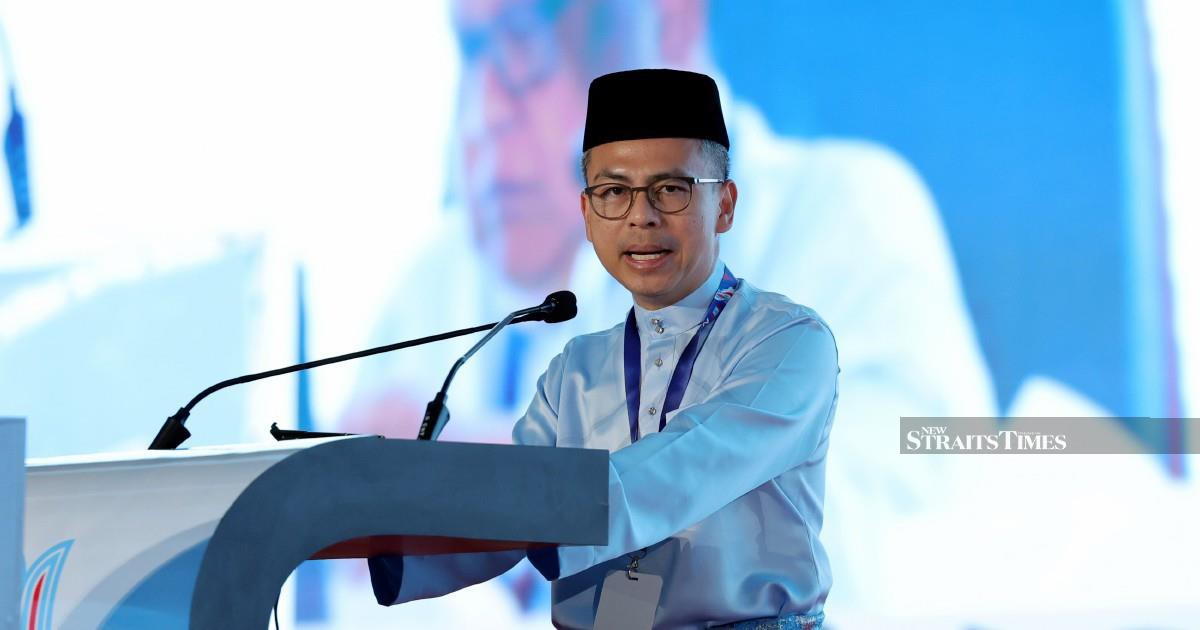
Prime Minister Datuk Seri Anwar Ibrahim is preparing to roll out fresh announcements in the near term, according to signals from the leadership of his party. Speaking at Ayer Keroh, PKR information chief Datuk Seri Fahmi Fadzil suggested that multiple declarations from the Premier could come as early as the following day, indicating an imminent schedule of policy moves or administrative updates.
The hint from Fahmi, who serves as a key communications voice for PKR (Parti Keadilan Rakyat), suggests the government's agenda is moving at pace. Senior figures in the administration often signal upcoming announcements through the party machinery, allowing the public and stakeholders to prepare for developments. The specific subjects of the anticipated announcements remain undisclosed, though such rapid-fire declarations from a sitting Prime Minister typically encompass cabinet reshuffle matters, new initiatives, or responses to pressing national issues.
Fahmi's remarks come at a time when Malaysian political dynamics are subject to considerable scrutiny, particularly following recent changes at the highest levels of government. Anwar's administration, which has navigated complex coalition management since taking office, frequently uses controlled communication through party leaders to shape public perception and provide strategic forewarning. The nature of announcements from a Prime Minister's office can range significantly—from ministerial appointments and policy frameworks to economic interventions or governance reforms.
For Malaysian observers and stakeholders across the business, civil service, and civil society sectors, the notification that multiple announcements are pending requires attention. Historically, clusters of government announcements have accompanied reorganizations within the cabinet, shifts in policy direction, or responses to economic and social developments. The timing suggested by Fahmi—potentially within 24 hours—indicates that any preparations for responding to these announcements should be initiated promptly by interested parties.
The communication strategy evident in Fahmi's statement reflects standard practice within PKR and the broader government apparatus. Rather than surprising the public with sudden announcements, senior leaders often provide subtle indications through media engagements and party channels. This approach allows civil service bodies, commercial entities, and the media to position themselves appropriately for information releases. Fahmi, in his capacity as information chief, is positioned to understand the communication calendar and broader strategic intentions of the party leadership and government.
Anwar's tenure as Prime Minister has been marked by efforts to balance competing interests within his coalition, manage economic pressures facing Malaysia, and implement governance reforms. The announcements hinted at by Fahmi could relate to any of these domains. Given the multi-ethnic and multi-religious composition of Malaysia, government communications are typically calibrated to ensure national cohesion and inclusive representation, factors that would influence both the substance and sequencing of official statements.
Regional and international stakeholders monitoring Malaysian governance may also be attentive to the forthcoming announcements. Malaysia's position within Southeast Asia, its role in broader economic frameworks, and its standing on regional and global issues mean that significant government declarations can have implications beyond domestic borders. The government's capacity to project stability and clear direction through timely, coordinated announcements becomes an important signal to investors, trading partners, and neighboring nations.
The business community and economic actors in Malaysia will likely monitor the nature of these announcements closely. Depending on content, they could carry implications for investment policies, infrastructure initiatives, monetary or fiscal measures, or regulatory frameworks. The suggestion that multiple announcements are imminent may prompt increased market activity or preparatory discussions within commercial circles as stakeholders anticipate potential impacts on their operational environments.
For the Malaysian media landscape, the forewarning provided by Fahmi serves as a notification to ensure adequate coverage and analysis resources are allocated for the coming announcements. Journalists and news organizations are expected to prepare contextual backgrounding, expert analysis, and stakeholder responses to government statements. The quality of media coverage of government announcements is crucial for public understanding and informed discourse on national developments.
Political analysts in Malaysia will be observing whether these anticipated announcements represent routine administrative matters or more significant strategic shifts. The cadence and clustering of announcements from a Prime Minister's office can indicate the government's assessment of its own position, the urgency it attaches to particular issues, and its confidence in execution of planned measures. Fahmi's hint therefore carries implications that extend beyond the immediate announcements themselves, offering insights into the government's broader operational tempo and priorities.
The timing of Fahmi's statement, delivered at Ayer Keroh, suggests that party machinery is mobilizing ahead of these announcements. Whether this represents a planned rollout of coordinated initiatives or responses to emerging circumstances remains to be seen once the announcements materialize. Malaysian political observers and institutional stakeholders would be wise to maintain readiness for developments, given the explicit indication from a senior PKR figure that the Prime Minister's office is preparing multiple statements for imminent release.

