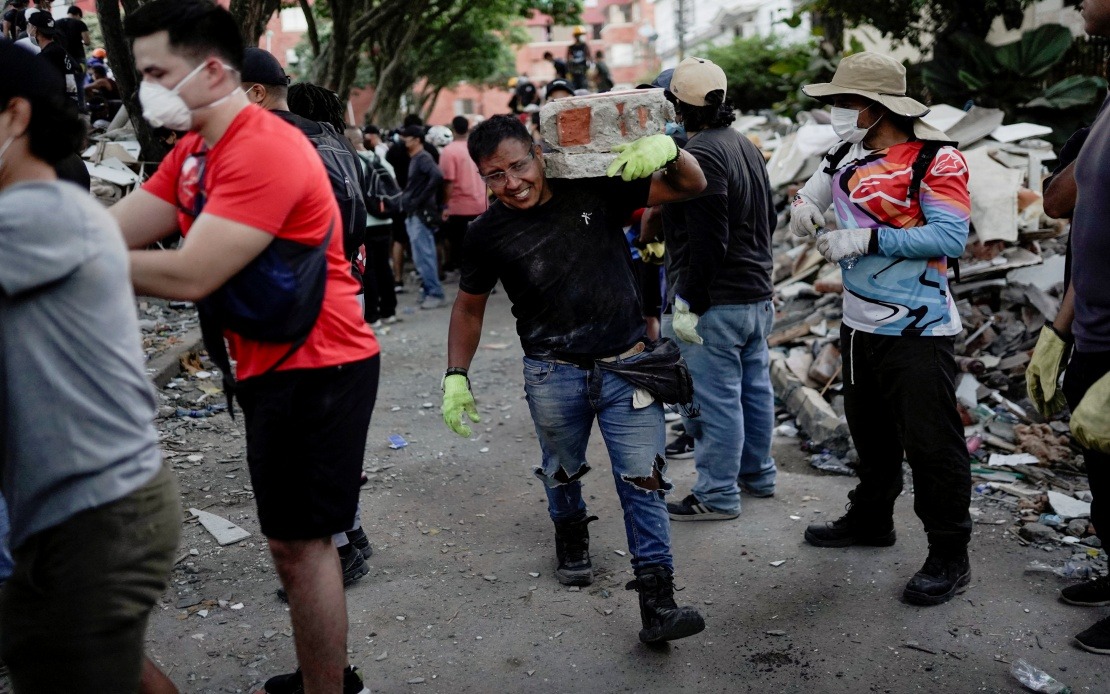
Prime Minister Datuk Seri Anwar Ibrahim has conveyed Malaysia's heartfelt condolences to the families and loved ones affected by the devastating earthquake that struck western Colombia, underscoring the nation's commitment to standing alongside the Colombian people during this humanitarian crisis. Through a Facebook statement, the Prime Minister characterised the 7.4-magnitude tremor as the most powerful seismic event to impact Colombia in recent decades, whilst acknowledging the substantial human toll and widespread infrastructure damage that has unfolded across the affected regions.
The earthquake, which occurred on a Monday with its epicentre located in the Chocó region, has resulted in the deaths of more than 100 people and unleashed a wave of destruction that extends far beyond the immediate impact zone. Several major urban centres, including Cali, Pereira, and Manizales, have reported significant damage to buildings, roads, and essential infrastructure, hampering rescue and recovery operations. The geographical spread of the earthquake's effects highlights the magnitude of the natural disaster and the scale of humanitarian response required across western Colombia.
In his statement, Anwar emphasised that Malaysia, as a nation accustomed to its own geological challenges given its position in the Pacific Ring of Fire adjacent region, recognised the profound vulnerability of populations to seismic events. The Prime Minister's remarks carried particular weight given Malaysia's own experiences with natural disasters and the collective understanding within Southeast Asia of the devastating consequences such events can inflict on communities, economies, and national infrastructure. This shared vulnerability often forms the basis of regional solidarity during international crises.
The government's official position articulated by the Prime Minister extended beyond symbolic gestures of sympathy. Anwar specifically highlighted the crucial work being undertaken by rescue workers and volunteer organisations who continue their painstaking efforts to locate survivors beneath collapsed structures and debris fields. These frontline responders face extraordinarily challenging conditions, compounded by the threat of continuing aftershocks that destabilise already precarious environments and threaten the safety of both victims and rescue personnel alike.
Malaysia's diplomatic response reflects broader international engagement patterns in which Southeast Asian nations participate during global humanitarian crises. The statement positioning Malaysia within the wider international community demonstrated the country's commitment to multilateral cooperation and shared human values that transcend geographical boundaries. For Malaysian readers, such diplomatic expressions reinforce the nation's standing as a responsible member of the global community with principled positions on humanitarian matters.
The Prime Minister's invocation of prayers for the injured and missing persons represented the spiritual dimension of Malaysia's response, acknowledging the deep human dimensions of the tragedy beyond statistical casualty figures. This framing resonates across Malaysia's diverse religious communities, each bringing their own traditions of spiritual support and prayer during times of collective suffering. The inclusive language employed sought to unite Malaysians of all faiths in expressing compassion for those enduring unimaginable loss and trauma.
The Chocó region, where the earthquake's epicentre was located, sits within Colombia's Pacific coastal zone, an area historically prone to seismic activity due to complex tectonic plate interactions in that region. The mountainous terrain of western Colombia, coupled with the presence of significant population centres in proximity to geological fault lines, creates conditions where earthquake impacts are inevitably severe. For Southeast Asian readers familiar with similar geographical vulnerabilities, particularly those in areas like Sumatra or the Philippines, the Colombian situation carries immediate relevance and underscores shared regional challenges.
Beyond the immediate crisis response, Anwar's message implicitly acknowledged the lengthy recovery process that awaits Colombia. Earthquakes of such magnitude typically trigger cascading secondary effects including disrupted water and sanitation systems, compromised healthcare infrastructure, widespread displacement of populations, and significant economic losses. The rehabilitation phase often extends for years, requiring sustained international engagement and material support from the global community. Malaysia's statement of solidarity positioned the country as willing to contribute to Colombia's recovery journey if circumstances permit.
The timing of the Prime Minister's statement, issued promptly following the earthquake's occurrence, demonstrated Malaysia's institutional responsiveness to international emergencies. Such rapid diplomatic engagement serves multiple purposes: it conveys genuine human concern, it maintains Malaysia's visibility within international forums, and it establishes the country as a reliable partner during crises. These considerations carry particular importance for smaller and mid-sized nations seeking to maintain relevance in global affairs.
For the Malaysian diaspora and business interests potentially present in Colombia or Colombian-Malaysian bilateral relationships, the government's official response provides assurance that Malaysia maintains active awareness of developments affecting Colombians. This clarity can be important for Malaysians abroad who may feel distant from their home nation's concerns during personal crises abroad. The government's swift response demonstrates that Malaysian citizens in affected regions have not been forgotten despite geographical distance.
The statement's reference to continuing aftershocks underscores the sustained uncertainty and danger persisting in the affected areas. Aftershock sequences following major earthquakes can persist for months, with some tremors reaching significant magnitudes themselves. This prolonged threat environment extends the emergency phase beyond the initial disaster period, complicating rescue operations and hampering the psychological recovery of survivors. The Prime Minister's acknowledgment of these ongoing challenges demonstrated nuanced understanding of earthquake dynamics beyond the headline casualty figures.
Looking forward, Malaysia may have opportunities to contribute to Colombia's recovery through established international mechanisms and bilateral partnerships. Whether through pledges to international relief funds, provision of technical expertise in earthquake-resilient reconstruction, or diplomatic support for Colombian recovery initiatives at multilateral forums, the government's condolence statement opens pathways for substantive engagement. Such involvement strengthens Malaysia's international profile whilst providing meaningful assistance to a nation in crisis.

