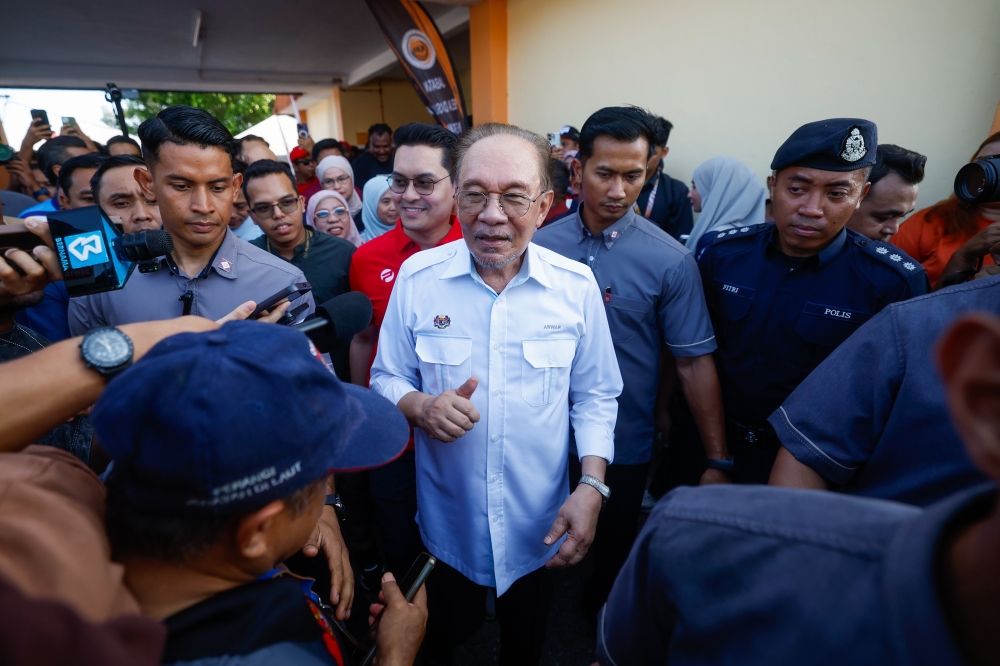
Prime Minister Datuk Seri Anwar Ibrahim has successfully completed a scheduled laparoscopic surgical intervention, with attending physicians confirming the operation proceeded without complications. The procedure, carried out at a leading medical facility in the capital, forms part of routine healthcare management for the nation's chief executive. Medical officials overseeing his care have implemented comprehensive monitoring protocols during the recovery phase to ensure optimal outcomes.
The decision to proceed with elective surgery underscores a deliberate approach to preventive healthcare undertaken by senior government leadership. Unlike emergency interventions that demand immediate action, elective procedures allow medical teams to carefully plan surgical timing, coordinate resources, and prepare recovery protocols in advance. This methodical scheduling approach reflects both medical prudence and an effort to manage governmental operations with minimal disruption.
For Malaysian governance, the timing and transparency surrounding such medical interventions carry constitutional significance. The nation's legal framework contemplates scenarios in which the prime minister may require temporary respite from executive duties, with succession protocols and deputy authority provisions operating within established constitutional parameters. Public disclosure of routine surgical procedures maintains civic confidence in institutional continuity and governmental stability during a leader's recovery phase.
The laparoscopic technique employed represents minimally invasive surgical methodology that typically involves smaller incisions, reduced tissue trauma, and shorter recovery intervals compared to open surgical approaches. This advancement in surgical practice has become standard across major medical institutions globally and offers patients faster return to normal functioning. The selection of this approach for the Prime Minister's procedure suggests careful consideration of both medical efficacy and the need to maintain executive capacity during the recovery period.
Close medical supervision during the immediate post-operative phase remains critical protocol regardless of a patient's social position or professional responsibility. Physicians managing the Prime Minister's care monitor vital parameters, manage pain, prevent infection, and assess physiological recovery markers systematically. The announcement of strict medical watch reflects standard clinical practice rather than indication of procedural difficulty, as intensive monitoring follows most surgical interventions to detect complications early and optimise recovery trajectories.
The Malaysian political landscape has historically demonstrated institutional resilience during leadership transitions or medical absences. Constitutional mechanisms exist to address situations where the head of government requires temporary incapacity leave, with established chains of delegation enabling ministerial continuity. Deputy Prime Ministers and senior cabinet figures can assume specified responsibilities during such periods, ensuring that essential governmental functions proceed uninterrupted. This institutional architecture provides reassurance that the nation's administrative machinery continues functioning during any leader's medical recuperation.
Regional and international observers frequently monitor the health and stability of Southeast Asian leadership figures given the interconnected nature of governance, economic policy, and diplomatic engagement within the region. Transparency regarding the Prime Minister's medical status serves diplomatic purposes by providing clarity to international partners and forestalling speculation that might otherwise generate market uncertainty or geopolitical concern. Clear communication from official sources prevents vacuum-filling rumours that could undermine investor confidence or international relations.
The broader context of aging leadership across Asia's major economies renders routine health management increasingly visible in governance discourse. As political leaders serve extended terms within complex modern economies, their medical wellbeing intersects with public policy, market psychology, and institutional stability calculations. Malaysia's approach to transparent disclosure regarding the Prime Minister's surgical procedure reflects emerging regional norms favouring candid health communication for senior executives rather than previous generations' tendency toward secretive medical arrangements.
The recovery phase now underway will likely span several weeks, during which the Prime Minister gradually resumes full executive responsibilities according to medical clearance. Cabinet structures and delegated authority provisions ensure governmental continuity throughout this period. Medical professionals managing his recuperation will likely provide periodic updates to relevant stakeholders regarding progress toward resuming complete prime ministerial duties, maintaining public confidence through transparent communication channels.
Looking ahead, this routine surgical intervention demonstrates how modern healthcare enables leaders to address medical requirements proactively rather than allowing untreated conditions to compromise their governing capacity. Regular health management practised by senior officials sets precedent for institutional transparency and personal responsibility that extends beyond individual political figures. For the Malaysian public, the successful completion of the procedure coupled with comprehensive medical oversight offers reassurance regarding both the Prime Minister's health trajectory and the institutional mechanisms designed to preserve governmental continuity.

