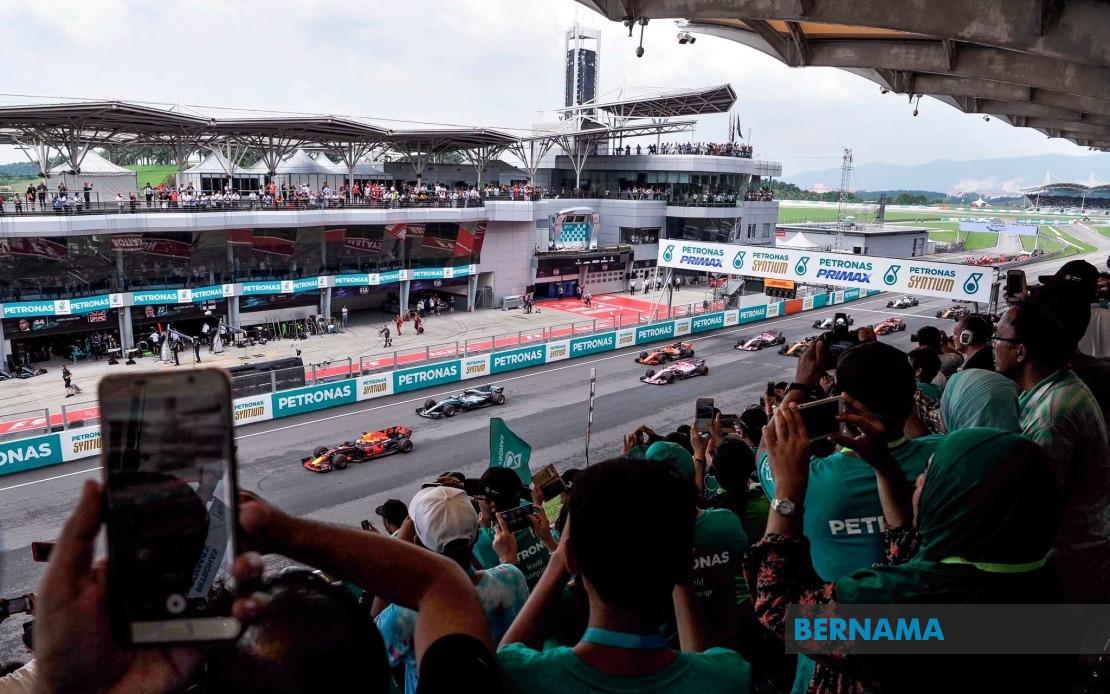
Prime Minister Datuk Seri Anwar Ibrahim has unveiled a ticketing initiative designed to make Formula 1 racing accessible to ordinary Malaysians, announcing MADANI Tickets exclusively for MyKad holders starting at RM200 for the Gulf Air Bahrain Grand Prix scheduled to take place at Sepang International Circuit in October 2026. The move represents a significant attempt to broaden public engagement with a sporting spectacle that has long been associated with premium pricing and elite spectatorship.
The announcement comes after weeks of deliberation within government circles about how best to support public attendance at the prestigious motorsport event. Following negotiations and mutual understanding reached with the Kingdom of Bahrain, Malaysian authorities finalised the pricing structure to ensure citizens across varying income levels could experience Formula 1 competition live. The RM200 entry point covers access throughout the entire three-day festival of racing, making it substantially more affordable than typical international Grand Prix ticket offerings.
This initiative carries profound significance for Malaysian motorsport enthusiasts and the broader sporting culture in the country. For nearly two decades, Sepang International Circuit hosted the Malaysian Grand Prix as an annual highlight on the Formula 1 calendar, drawing crowds of hundreds of thousands and positioning Malaysia as a major player in global motorsport. The venue closed its doors to international competition in 2017 as hosting fees and licensing arrangements became increasingly unsustainable, representing a symbolic loss for the nation's sporting infrastructure and international prestige.
The return of Formula 1 to Malaysian soil, even under Bahrain's banner, presents a remarkable opportunity to revive that legacy. The MADANI Tickets initiative suggests the government recognises this moment not simply as a commercial venture but as a chance to reconnect ordinary Malaysians with world-class motorsport. By dramatically lowering entry barriers, authorities appear determined to prevent the spectacle from remaining the preserve of affluent spectators and corporate hospitality clients, a pattern that often alienates local communities from their own national venues.
The broader context surrounding the Bahrain Grand Prix's relocation deserves examination. Originally scheduled for April at the Bahrain International Circuit, the race was postponed to October following escalating geopolitical instability across the West Asian region. This scheduling adjustment underscores the vulnerability of sporting calendars to regional tensions and the complex calculus that international sports bodies must navigate. The decision to relocate the event to Malaysia, rather than shuffle dates at its original home, reflects confidence in the regional environment and the stability offered by Malaysian hosting arrangements.
For Southeast Asia more broadly, hosting a prestigious Formula 1 race strengthens Malaysia's position as a regional sports hub and reflects the country's capacity to stage world-class international events. The region has limited opportunities to showcase such globally significant competitions, making October 2026 a notable moment for the broader community of Southeast Asian nations. The event will draw international media attention, tourism spending, and global broadcasting visibility to Malaysia and the region.
The Fédération Internationale de l'Automobile and Formula 1's formal endorsement of the October 2-4 dates confirms the legitimacy and permanence of this arrangement. The cooperation framework established between Malaysia and Bahrain demonstrates how neighbouring countries can collaborate on major sporting initiatives despite occasional diplomatic variations. This model could potentially influence other regional sporting partnerships and infrastructure arrangements across Asia.
Sepang International Circuit itself stands to benefit significantly from renewed international exposure. The facility has hosted various motorsport events since losing the Malaysian Grand Prix, but the return of Formula 1 represents a full-circle moment for the venue. Modern upgrades and renewed investment in preparation for the October event will enhance the circuit's long-term operational capacity and international standing. For Malaysian motorsport fans and the engineering community, the presence of Formula 1 drivers and teams offers invaluable exposure to cutting-edge automotive technology and competition standards.
The practical mechanics of the MADANI Tickets scheme remain to be clarified in coming weeks, with Sepang International Circuit expected to announce further details regarding distribution channels, registration procedures for MyKad holders, and specific access provisions. Questions will inevitably arise about availability, allocation mechanisms to prevent bulk purchasing, and whether additional premium tiers will exist alongside the RM200 base offering. These administrative details will substantially influence how effectively the initiative achieves its stated objective of bringing Formula 1 to broader Malaysian audiences.
Prime Minister Anwar's personal announcement of this initiative reflects its political importance to the government's broader agenda of enhancing quality of life and expanding access to cultural and sporting experiences across Malaysian society. The MADANI framework, from which the ticketing scheme derives its name, emphasises inclusive prosperity and people-centric governance. By applying these principles to Formula 1 accessibility, the government signals that major international events should serve national populations rather than exclusively benefiting corporate interests and overseas markets.
Looking ahead to October 2026, the event promises to generate substantial economic activity through hospitality, transport, and peripheral spending by domestic and international visitors. Local businesses surrounding Sepang will benefit from increased foot traffic and tourism revenue. The regeneration of interest in Sepang International Circuit could stimulate long-term discussions about the venue's future role in regional motorsport and its potential as a centre for automotive innovation and training.
The restoration of Formula 1 to Sepang represents far more than the return of a sporting spectacle. It signifies Malaysia's continued commitment to world-class infrastructure, its ability to negotiate complex international arrangements, and its determination to share premium experiences with citizens across income levels. The MADANI Tickets initiative embodies this philosophy, transforming what might have remained an exclusive international event into a genuinely accessible national moment. As October 2026 approaches, enthusiasm will undoubtedly build among Malaysian motorsport enthusiasts anticipating the return of Grand Prix racing to their homeland.

