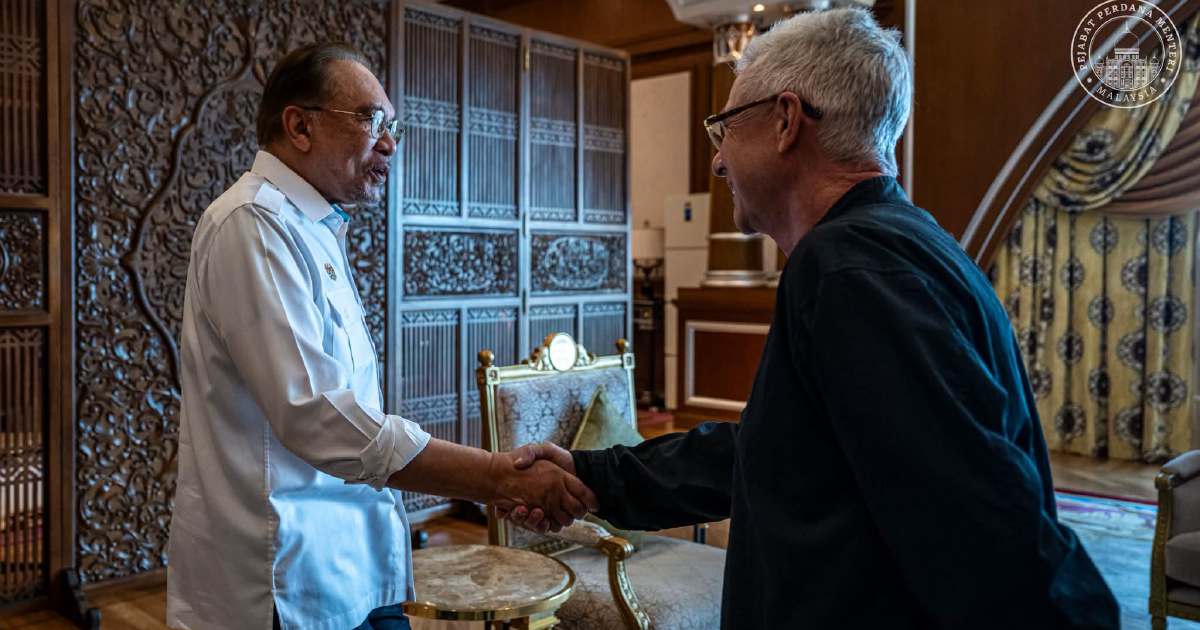
Prime Minister Datuk Seri Anwar Ibrahim held discussions with Singapore Grand Prix executive director Michael Roche in Kuala Lumpur on Wednesday, focusing on operational excellence and strategic insights from one of Asia's most successful Formula 1 events. The meeting comes as Malaysia prepares to host the Formula 1 Gulf Air Bahrain Grand Prix at the Sepang International Circuit in October, underscoring the government's commitment to learning from regional peers and elevating the standards of international motorsports events in the country.
The encounter reflects a broader regional cooperation framework that extends beyond mere competitive rivalry in hosting major sporting events. Singapore's Grand Prix, held annually on the Marina Bay street circuit since 2008, has become a marquee event on the Formula 1 calendar and a significant economic driver for the city-state. By engaging directly with Singapore's event management leadership, Malaysia signals its ambition to enhance the quality and reputation of its own Formula 1 offerings and establish Sepang International Circuit as a destination venue comparable to other premier circuits across the globe.
Michael Roche's expertise in managing the complexities of hosting a night race on an urban street circuit presents valuable lessons for Malaysian organisers. The Singapore Grand Prix operates under unique constraints involving road closures, traffic management, security coordination with multiple government agencies, and the integration of hospitality services across a densely populated urban environment. These operational considerations differ substantially from traditional circuit racing held at permanent facilities, and the knowledge transfer during such high-level meetings can directly influence how Malaysia approaches event delivery and stakeholder management.
The timing of this engagement is strategically significant. With the Bahrain Grand Prix scheduled for October at Sepang, Malaysian authorities face the challenge of delivering a world-class experience while managing logistics, security protocols, and international broadcasting standards. Singapore's proven track record in juggling these elements—combined with its reputation for precision in event execution—makes it an ideal reference point for Malaysian officials seeking to benchmark their operations and identify potential improvements.
Beyond operational mechanics, the discussion likely touched on broader strategic considerations affecting motorsports in Southeast Asia. The region has emerged as a growing hub for international sporting events, with countries competing for prestige and the economic benefits associated with hosting major competitions. Malaysia's Formula 1 event at Sepang, traditionally one of the calendar's cornerstone races, carries considerable symbolic weight as a statement of national capability and regional standing. Learning from Singapore's successes helps Malaysia maintain its competitive positioning within this landscape.
The meeting also reflects the pragmatic approach favoured by the current administration toward regional engagement. Rather than viewing neighbouring countries exclusively as competitors, the Malaysian government is actively seeking partnerships and knowledge-sharing arrangements that elevate standards across the region. This collaborative spirit strengthens the overall quality of Asian motorsports infrastructure and enhances the continent's attractiveness to international events organisers and governing bodies like Formula 1's FIA.
For Sepang International Circuit specifically, insights gleaned from Singapore's management practices could inform decisions regarding fan experience enhancements, vendor coordination, broadcast facility upgrades, and crowd management strategies. The October timing also provides a compressed window for implementing recommendations, requiring efficient decision-making and swift action from relevant Malaysian agencies and private sector partners involved in event delivery.
The broader context includes Malaysia's historical significance in Formula 1. Sepang has hosted the Malaysian Grand Prix since 1999 and has been integral to the sport's Asian expansion strategy. Maintaining and enhancing this legacy requires continuous investment in event quality, infrastructure modernisation, and management excellence. Peer exchanges with successful regional operators like Singapore help ensure Malaysia remains competitive and relevant within global motorsports circles.
Additionally, such high-level engagements between government and sporting event executives signal the government's recognition of motorsports' importance beyond mere entertainment. Major events generate substantial economic activity through tourism, hospitality, media spending, and international visibility. The Bahrain Grand Prix at Sepang represents an opportunity to demonstrate Malaysia's capability to deliver sophisticated international experiences, thereby attracting future major events and reinforcing the country's status as a regional hub for premium sporting occasions.
The discussions between Anwar and Roche are likely to continue through technical working groups and operational teams, translating strategic insights into practical improvements. Such structured follow-up ensures that the exchange yields tangible benefits rather than remaining at the level of courteous dialogue between dignitaries. With October's event approaching, the momentum generated by this high-profile meeting could catalyse meaningful enhancements to how Malaysia executes major motorsports operations.
Looking ahead, this engagement exemplifies a model of regional cooperation that transcends traditional competitive boundaries. As Asian countries increasingly host world-class events, the willingness to share expertise and learn from peers strengthens the entire ecosystem. Malaysia's proactive approach to consulting Singapore's expertise positions Sepang to deliver an outstanding Formula 1 experience while contributing to the broader elevation of sporting standards across Southeast Asia.

