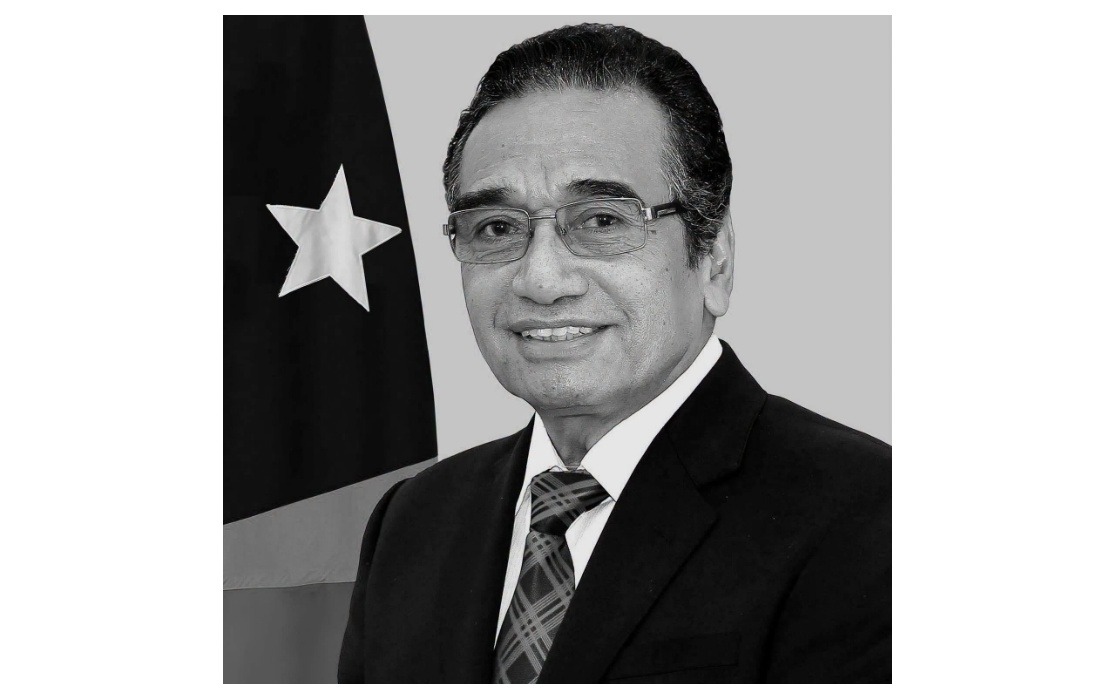
Prime Minister Datuk Seri Anwar Ibrahim has extended Malaysia's formal condolences to the family of Francisco Guterres and the people of Timor-Leste following the former president's death. In a statement posted on Facebook, Anwar acknowledged Guterres' significant contributions to his nation and his standing as a foundational figure in the Southeast Asian region's modern history. The tribute underscores the diplomatic ties between Malaysia and its neighbour, reflecting the respect held across ASEAN for leaders who shaped their countries' trajectories during critical periods.
Guterres, who was 71 at the time of his passing, died at Prince Court Hospital in Kuala Lumpur on June 21 after receiving intensive medical care. His death marks the loss of a generation of Southeast Asian freedom fighters whose experiences during colonial rule and international isolation shaped the region's post-independence political landscape. The fact that he was receiving treatment in Malaysia highlights the medical and diplomatic connections between the two nations, and the trust Timorese leadership placed in Malaysian healthcare facilities.
The former Timor-Leste president earned widespread recognition under his resistance-era nom de guerre, Lú-Olo, a name that became synonymous with the independence movement. Before ascending to the nation's highest office, Guterres spent formative years engaged in the struggle for Timorese sovereignty, experiences that would inform his later approach to governance and nation-building. His journey from underground resistance fighter to democratically elected leader encapsulates the broader narrative of Southeast Asian decolonisation and the transition from armed struggle to constitutional rule.
During his presidency from 2017 to 2022, Guterres served as head of state at a pivotal moment when Timor-Leste was consolidating its young democratic institutions. Prior to his presidential tenure, he held the position of president of the National Parliament, giving him extensive experience navigating the delicate balance between executive and legislative authority in a newly independent state. His trajectory through these roles demonstrated a commitment to institutional development and democratic participation, values that resonated across the Southeast Asian region.
Anwar's statement emphasised Guterres' enduring dedication to both Timorese sovereignty and the establishment of democratic governance structures. The Prime Minister highlighted how the late president had remained committed throughout his life to principles of freedom and nation-building, even as international circumstances shifted and the region evolved. This characterisation positions Guterres not merely as a historical figure from an earlier era, but as someone whose values and leadership philosophy remained relevant and influential in contemporary debates about democracy and development in Southeast Asia.
The timing of Guterres' death and the location of his medical treatment underscores Malaysia's role as a regional hub for healthcare and diplomatic interaction. Many senior figures from neighbouring countries seek medical treatment in Malaysian facilities, particularly in Kuala Lumpur, reflecting both the quality of healthcare available and the established networks of cooperation between regional governments. The circumstances of his passing thus illustrate practical dimensions of ASEAN solidarity and the everyday connections that bind member states together.
Guterres' legacy encompasses not only his formal roles in government but also his symbolic importance as one of the founding generation of Timor-Leste's state structures. His presence in regional forums and his participation in ASEAN-related discussions helped shape how the youngest Southeast Asian nation established its voice in regional affairs. For many observers, his trajectory from resistance activist to ceremonial head of state represented a successful transition from armed struggle to peaceful democratic governance, a model relevant to discussions of conflict resolution and post-conflict reconstruction across the region.
The expression of condolences from Malaysia's Prime Minister reflects the diplomatic protocol typically observed among ASEAN members when senior figures pass away, but it also acknowledges deeper bonds of solidarity. The region's leaders who participated in independence struggles or post-colonial nation-building often share common reference points and mutual respect, creating networks of understanding that transcend formal state relations. Guterres occupied a significant place in this network as both a symbol of resistance and an architect of democratic institutions.
For Malaysia specifically, the tribute carries particular resonance given the country's own experience of transitioning from colonial administration to independent nationhood. Malaysian leaders often reflect on their country's own founding generation and the challenges those figures overcame in establishing stable, democratic governance. Recognising the contributions of contemporary figures like Guterres reinforces these historical continuities and positions Malaysia as a nation that values the achievements of Southeast Asian independence and democratic development.
Guterres' influence extended beyond his formal tenure as president. As a respected elder statesman and symbol of Timor-Leste's independence struggle, he continued to command attention and respect in regional discussions about democracy, development, and regional cooperation. His passing represents a generational transition in Southeast Asian leadership, marking the gradual departure of figures who directly experienced colonialism and armed struggle. This transition raises questions about how historical memory and the lessons of independence movements will be transmitted to younger generations of Southeast Asian leaders and citizens.
The loss also affects regional discussions around institutional continuity and the preservation of institutional memory. Figures like Guterres, who had participated in multiple crucial moments of their nation's development, provided direct linkages between different historical periods and could offer perspectives informed by decades of political experience. Their passing removes voices that had witnessed and shaped the transitions that defined contemporary Southeast Asia.
In the broader context of ASEAN affairs, Guterres' death concludes a significant chapter in Timor-Leste's ongoing consolidation as a regional member state. His role in helping establish the nation's democratic foundations during his presidency contributed to the stability and credibility that Timor-Leste has gradually built within regional structures. As Malaysia and other ASEAN members observe protocols of mourning and reflection, they acknowledge not only a respected colleague but also the shared investment all regional nations hold in their neighbours' success and stability.
%22%2F%3E%3C%2Fpattern%3E%3C%2Fdefs%3E%3Crect%20width%3D%22100%25%22%20height%3D%22100%25%22%20fill%3D%22url(%23ph4sj74g)%22%2F%3E%3Crect%20width%3D%22100%25%22%20height%3D%22100%25%22%20fill%3D%22url(%23ph4sj74p)%22%2F%3E%3Ctext%20x%3D%2250%25%22%20y%3D%2250%25%22%20text-anchor%3D%22middle%22%20dominant-baseline%3D%22central%22%20fill%3D%22rgba(255%2C255%2C255%2C0.95)%22%20font-family%3D%22Georgia%2C%20'Times%20New%20Roman'%2C%20serif%22%20font-weight%3D%22700%22%20font-size%3D%22170%22%20letter-spacing%3D%22-0.02em%22%3EMalaysia%3C%2Ftext%3E%3C%2Fsvg%3E)
%22%2F%3E%3C%2Fpattern%3E%3C%2Fdefs%3E%3Crect%20width%3D%22100%25%22%20height%3D%22100%25%22%20fill%3D%22url(%23ph51v0dg)%22%2F%3E%3Crect%20width%3D%22100%25%22%20height%3D%22100%25%22%20fill%3D%22url(%23ph51v0dp)%22%2F%3E%3Ctext%20x%3D%2250%25%22%20y%3D%2250%25%22%20text-anchor%3D%22middle%22%20dominant-baseline%3D%22central%22%20fill%3D%22rgba(255%2C255%2C255%2C0.95)%22%20font-family%3D%22Georgia%2C%20'Times%20New%20Roman'%2C%20serif%22%20font-weight%3D%22700%22%20font-size%3D%22170%22%20letter-spacing%3D%22-0.02em%22%3EMalaysia%3C%2Ftext%3E%3C%2Fsvg%3E)