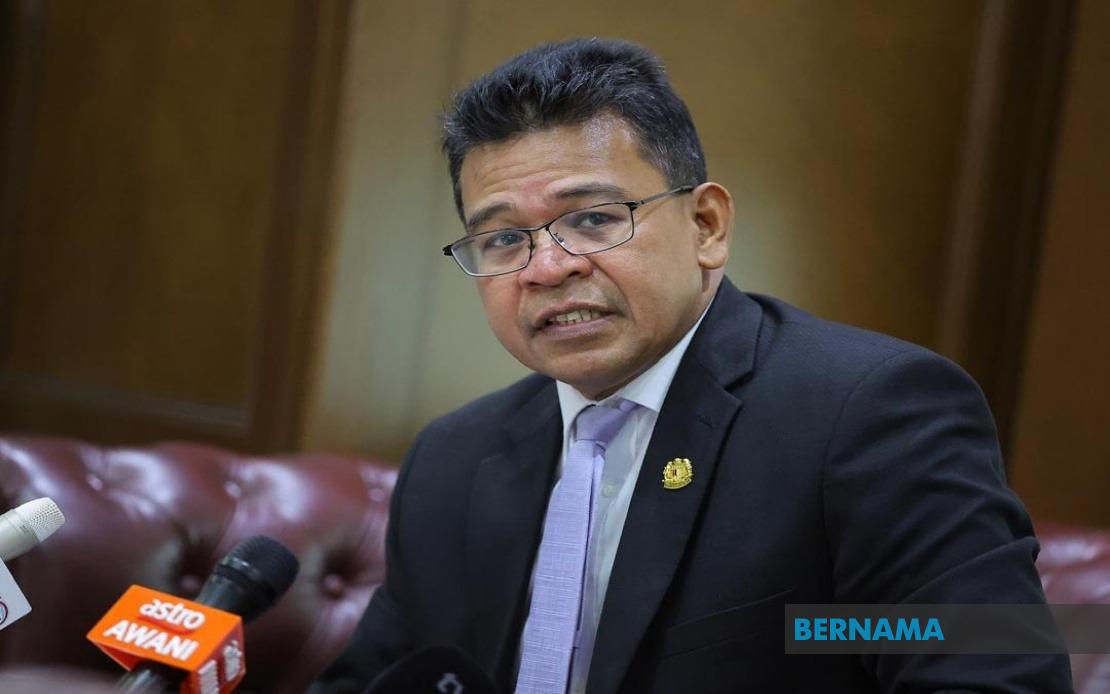
Prime Minister Datuk Seri Anwar Ibrahim is set to undertake a two-day working visit to Brunei on August 21 and 22, during which he will attend the 27th Annual Leaders' Consultation (ALC-27), the highest-level bilateral forum between Malaysia and Brunei. The visit underscores the importance both nations place on regular high-level engagement, with Malaysian High Commissioner to Brunei Datuk Mohd Aini Atan describing the annual consultation as a cornerstone mechanism for managing the countries' multi-faceted relationship.
The bilateral relationship between Malaysia and Brunei extends back more than four decades, with formal diplomatic ties established in 1984. As neighbouring states within the Association of Southeast Asian Nations (ASEAN), the two countries have cultivated what officials characterise as a particularly close and special bond. This relationship transcends typical diplomatic courtesies, reflecting shared interests across trade, security, and regional stability. During the forthcoming consultation, Anwar and Sultan Hassanal Bolkiah will comprehensively review the trajectory of bilateral cooperation and assess whether existing frameworks adequately address contemporary challenges and opportunities.
The composition of the Malaysian delegation signals the breadth of issues on the agenda. Accompanying the Prime Minister are Foreign Minister Datuk Seri Mohamad Hasan, whose presence indicates the foreign policy dimension will receive substantial attention. Equally significant is the inclusion of Sarawak Premier Tan Sri Abang Johari Tun Openg and Sabah Chief Minister Datuk Seri Hajiji Noor, reflecting Brunei's historical ties with Malaysian Borneo and suggesting discussions may extend to sub-national cooperation, border management, or resource-related matters. Minister of Investment, Trade and Industry Datuk Seri Johari Abdul Ghani's participation highlights the economic dimension, particularly trade facilitation and investment promotion.
Preceding the main leaders' consultation, Foreign Minister Mohamad Hasan will chair the 27th Malaysia-Brunei Exchange of Letters (EOL-27) Implementation Meeting alongside Brunei's Second Minister of Foreign Affairs, Datuk Seri Setia Erywan Mohd Yusof. This preparatory session will serve as a technical review mechanism, monitoring progress on cooperation initiatives and evaluating outcomes from the 26th Annual Leaders' Consultation held in Putrajaya the previous year. The EOL framework functions as an implementation mechanism, ensuring agreements reached at the leaders' level are translated into actionable outcomes and maintained across administrative transitions.
Among the concrete deliverables expected from ALC-27 is the signing of a Memorandum of Understanding on disaster management cooperation between the two countries. This development carries particular relevance for Southeast Asia, a region vulnerable to various natural disasters including flooding, typhoons, and seismic events. Enhanced coordination on disaster preparedness, response mechanisms, and information-sharing would benefit both nations' populations and represents a practical manifestation of bilateral partnership. Such frameworks are increasingly essential as climate change intensifies weather-related hazards across the region.
Trade relations constitute a vital pillar of Malaysia-Brunei engagement. During 2025, bilateral trade reached RM5.86 billion (USD 1.37 billion), with Malaysia exporting goods valued at RM4.20 billion (USD 0.98 billion) while importing RM1.66 billion (USD 0.39 billion) worth of Bruneian products. The trade surplus enjoyed by Malaysia reflects the complementary nature of the two economies, though it also indicates potential avenues for deeper diversification and value addition in Bruneian exports. The interim data for January through June 2026 demonstrates sustained momentum, with trade totalling RM2.38 billion (USD 0.6 billion), suggesting the bilateral commercial relationship remains robust despite global economic uncertainties.
The timing of this visit during the second half of 2026 occurs against a backdrop of evolving regional dynamics within ASEAN and the broader Indo-Pacific. Malaysia and Brunei, as founding ASEAN members, maintain shared interests in regional stability, ASEAN centrality, and maintenance of rules-based international order. The consultation will likely encompass discussions on regional architecture, responses to geopolitical developments, and coordination on ASEAN initiatives. Both nations have consistently advocated for constructive engagement and peaceful resolution of regional disputes.
For Malaysian policymakers and business communities, the ALC-27 represents an opportunity to deepen integration with Brunei across multiple sectors. Beyond traditional trade and diplomatic channels, opportunities exist in tourism cooperation, particularly the development of cross-border tourist circuits appealing to regional and international visitors. Educational exchanges, professional licensing reciprocity, and collaborative infrastructure projects could further strengthen people-to-people connections. The inclusion of both Chief Ministers from Malaysian Borneo suggests recognition that sub-national governments have significant roles in implementing bilateral agreements, particularly regarding border communities and cross-boundary initiatives.
Brunei's strategic position as a relatively stable, resource-rich ASEAN member makes it an important partner for Malaysia's economic and security interests. The sultanate's oil and liquefied natural gas resources, while declining, remain economically significant, while its diversification efforts into tourism and financial services create complementary opportunities for Malaysian enterprises. Conversely, Malaysia's larger population and manufacturing base offer markets and investment opportunities for Bruneian capital. The bilateral relationship thus functions as a mutually beneficial arrangement where each nation possesses strengths that complement the other's developmental priorities.
The visit also carries symbolic significance beyond immediate bilateral concerns. Regular leaders' consultations at this level reinforce ASEAN principles of non-interference and respect for sovereignty while maintaining robust diplomatic channels. In an era of great power competition and potential regional tensions, the Malaysia-Brunei relationship exemplifies how neighbouring Southeast Asian states can maintain harmonious ties through consistent dialogue and institutional mechanisms. The ALC-27 thus serves not merely as a review mechanism for bilateral cooperation but as an affirmation of ASEAN values and an example of how regional stability is sustained through patient, continuous diplomatic engagement at the highest levels.

