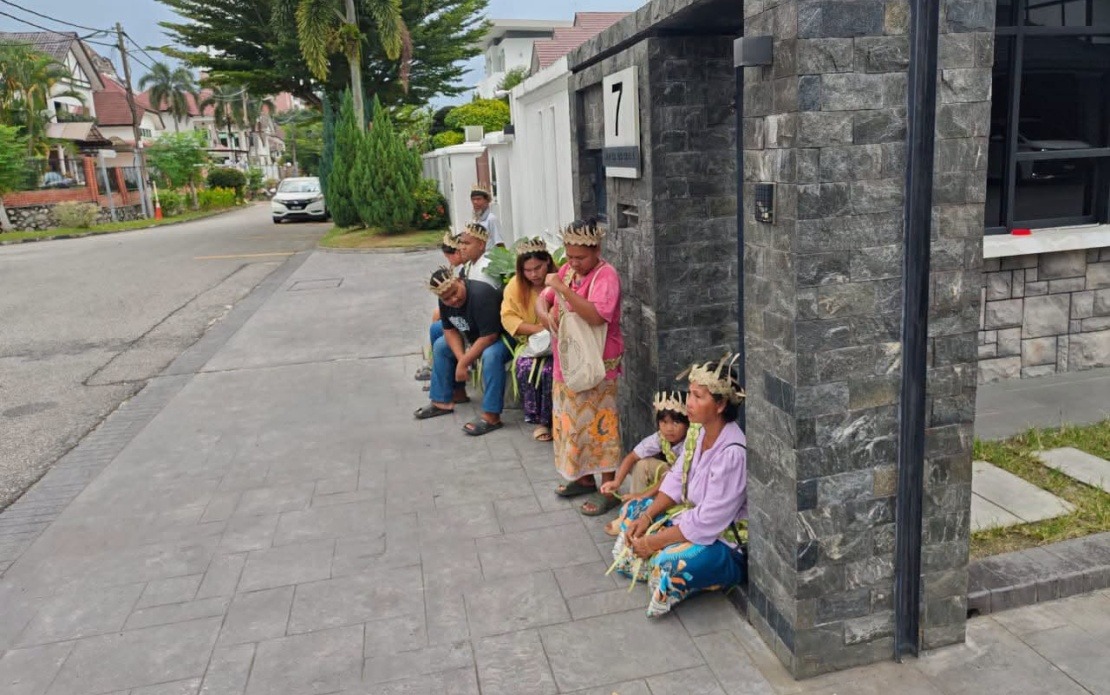
Prime Minister Datuk Seri Anwar Ibrahim has committed to escalating the land dispute affecting the Orang Asli community of Kampung Sungai Cot in Maran, Pahang, to the state government for resolution. The undertaking came after Anwar received community representatives at his residence on the afternoon of July 17, during which he gained direct insight into the grievances facing residents of the township.
Through his subsequent Facebook statement, Anwar outlined his engagement with the Orang Asli delegation, emphasizing that he had listened carefully to their account of the longstanding land dispute that has kept the community in legal limbo. The delegation also briefed him on a related matter: the temporary detention of three residents from the village, which had compounded the pressure on the already vulnerable community. Anwar noted with satisfaction that those detained individuals have since been released by police, marking a small but notable development in the broader dispute.
The Prime Minister's intervention reflects a broader political commitment to indigenous affairs, a constituency that has grown more vocal in recent years over land rights and environmental protections. The Orang Asli in Malaysia continue to face systemic challenges in asserting their customary land claims against competing state and private interests, a tension that has played out across multiple states including Pahang, which has historically been at the centre of several high-profile disputes.
Kampung Sungai Cot represents a microcosm of the challenges facing Orang Asli communities nationwide. These settlements often lack formal legal title to the land they have inhabited for generations, rendering residents vulnerable to displacement or competing claims from state authorities or development interests. The land dispute in Maran exemplifies how indigenous communities remain caught between traditional claims and a legal system that frequently does not recognize customary tenure.
Anwar's explicit call for all parties to refrain from weaponizing the issue carries strategic significance. By appealing for restraint and urging stakeholders to pursue lawful solutions, the Prime Minister appears to be signalling that while the matter warrants urgent attention, it must be resolved through institutional channels rather than becoming a flashpoint for political confrontation. This balanced stance reflects the delicate negotiations required when indigenous rights intersect with state authority and development ambitions.
The detention of three villagers, though temporary, underscores the vulnerability of Orang Asli during land disputes. Detentions—whether for trespassing charges, administrative matters, or other grounds—often disproportionately affect indigenous individuals who may lack legal counsel or awareness of their rights. The rapid release of those detained suggests either police responsiveness to the situation's sensitivity or external pressure, though the underlying causes of their detention remain unclear from Anwar's statement.
Pahang state government's role in resolving this matter will be critical. As the territorial authority, the state holds significant administrative and legislative power over land classification, tenure recognition, and dispute resolution mechanisms. Anwar's decision to engage the state government directly signals that federal intervention, though important for visibility and political pressure, must ultimately coordinate with state-level institutions that control these mechanisms.
For Malaysian indigenous communities and advocacy groups, Anwar's commitment represents an opportunity to advance systemic reforms in how Orang Asli land rights are recognized and protected. The Orang Asli population has long advocated for legislative changes that would strengthen customary land claims and establish clearer pathways for formal recognition of indigenous territories. A resolution in Kampung Sungai Cot could potentially set a precedent for how similar disputes are handled elsewhere.
The intersection of indigenous rights and state governance remains contentious across Southeast Asia. Malaysia's approach to Orang Asli issues has been criticized internationally, particularly regarding land dispossession and environmental degradation in indigenous territories. How the federal government resolves cases like Kampung Sungai Cot will influence perceptions of Malaysia's commitment to indigenous protections, with implications for regional human rights discourse and potential international scrutiny.
The way forward requires coordinated action between federal oversight, state administration, and genuine engagement with the affected community. Anwar's framing emphasizes legality and fairness, principles that must translate into concrete mechanisms: land surveys, formal tenure recognition, dispute mediation, and safeguards against future arbitrary action. Without substantive follow-through, such assurances risk remaining rhetorical gestures.
Moving beyond the immediate dispute, Kampung Sungai Cot reflects broader questions about land justice in Malaysia. The case highlights how indigenous communities, despite constitutional protections and legislative frameworks like the Aboriginal Peoples Act 1954, remain insufficiently protected against competing land claims. Meaningful resolution would require not just addressing this specific village's grievance but examining systemic gaps in how Malaysian law recognizes and protects Orang Asli tenure.
Stakeholders will be monitoring whether Anwar's engagement translates into concrete progress. The test will be whether Pahang state authorities respond promptly, whether a fair and lawful solution emerges, and whether the community's long-term security and rights are genuinely advanced. For Kampung Sungai Cot residents and other Orang Asli communities watching this situation, the Prime Minister's commitment has raised expectations—and with them, the burden of delivering meaningful outcomes.

