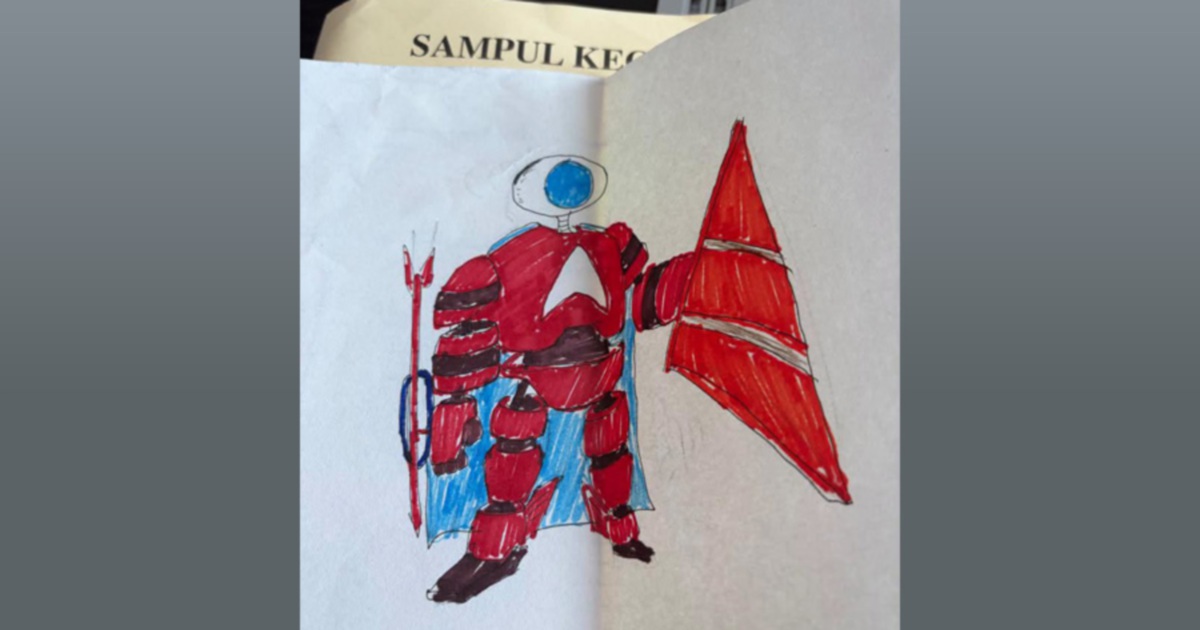
Prime Minister Datuk Seri Anwar Ibrahim has embraced a meaningful keepsake from an unexpected source: a drawing presented by a child with special needs during the recent Temu Anwar community engagement session held in Negri Sembilan. The intimate gesture underscores the personal dimension of the government's efforts to connect with citizens across Malaysia's diverse communities, particularly those whose voices often remain marginalised in broader political discourse.
The Temu Anwar programme represents a cornerstone of the Prime Minister's grassroots engagement strategy, designed to foster direct dialogue between the federal government and local communities. These town-hall style events have become vehicles through which ordinary Malaysians, including individuals from vulnerable populations, gain rare access to senior leadership. The interaction in Negri Sembilan exemplifies how such forums create space for meaningful human connections that transcend the formality of conventional political meetings.
Children with special needs frequently inhabit an uncertain space within Malaysia's educational and social infrastructure. While the nation has made incremental progress towards inclusive practices, significant gaps remain in resource allocation, trained personnel, and public awareness. Events like Temu Anwar that deliberately incorporate participation from special needs communities signal governmental commitment to recognising these children's inherent dignity and creative capacity, beyond pity or tokenism.
The act of presenting artwork carries particular significance in this context. Drawing serves as a powerful medium of expression for children whose verbal communication abilities may be constrained. Through colour, form, and composition, such children articulate their inner worlds, aspirations, and experiences in ways that spoken language sometimes cannot capture. The child's confidence in sharing this creation with Malaysia's highest political office suggests a supportive environment was cultivated at the event, enabling authentic rather than performative inclusion.
Prime Minister Anwar's decision to preserve and treasure the drawing rather than accept it perfunctorily demonstrates receptiveness to symbolic gestures from non-traditional sources. His visible appreciation sends a subtle but powerful message to Malaysia's special needs community that their contributions merit genuine recognition rather than ceremonial acknowledgment. Such moments, when amplified through official channels, help reshape public perception of children and adults with disabilities as active participants in national life rather than passive recipients of charity.
Negri Sembilan's selection for this particular Temu Anwar event merits consideration. The state has its own landscape of special needs services, advocacy organisations, and families navigating the complexities of disability support. By visiting the state and facilitating such interactions, the government creates opportunities to assess local needs, hear directly from affected communities, and demonstrate responsiveness to issues that rarely dominate national headlines. The drawing becomes both a personal memory for Anwar and a data point reflecting whether his administration's inclusive rhetoric translates into concrete policy improvements.
The Malaysian context matters here. While the nation prides itself on multiculturalism and diversity, children with special needs constitute an often-invisible minority facing discrimination, limited educational opportunities, and uncertain employment prospects. The normalisation of their participation in high-level government events gradually chips away at stigma deeply embedded in cultural attitudes. Each interaction, each drawing preserved, each public acknowledgment contributes to a slow but necessary transformation in how Malaysian society values and includes its disabled citizens.
From a governance perspective, Temu Anwar sessions generate grassroots intelligence invaluable for policy formulation. When special needs children and their families engage directly with leadership, they provide firsthand accounts of service gaps, administrative barriers, and practical solutions the government might otherwise overlook. The drawing, seemingly a simple gesture, potentially represents a family's attempt to communicate needs or gratitude that formal complaint mechanisms might never channel upward. Its preservation suggests those messages are being received.
The emotional resonance of this exchange also reflects broader Malaysian aspirations regarding leadership style. Anwar's tenure as Prime Minister has emphasised personal touch and accessibility. Keeping a child's artwork on display symbolises a leader who values human connection over ceremonial distance. In a political environment sometimes dominated by controversy and partisan bickering, such moments offer refreshing evidence of governance centred on human welfare.
Moving forward, this episode invites reflection on whether such inclusive gestures can catalyse systematic change. While individual acts of recognition matter, sustainable improvement in special needs services requires dedicated funding, legislative reform, and institutional commitment. Malaysian advocacy groups will be watching whether the Prime Minister's affection for this particular drawing translates into budget allocations for special education, rehabilitation services, and disability-inclusive infrastructure.
The drawing now occupies a unique position in Anwar's office—a reminder that Malaysia's leaders encounter citizens not merely as statistical constituents but as human beings with untapped potential. For the child who created it, presenting artwork to the Prime Minister likely became a memory of being truly seen and valued. That simple act of mutual recognition, multiplied across the nation's special needs population, could gradually reshape both policy and culture.

