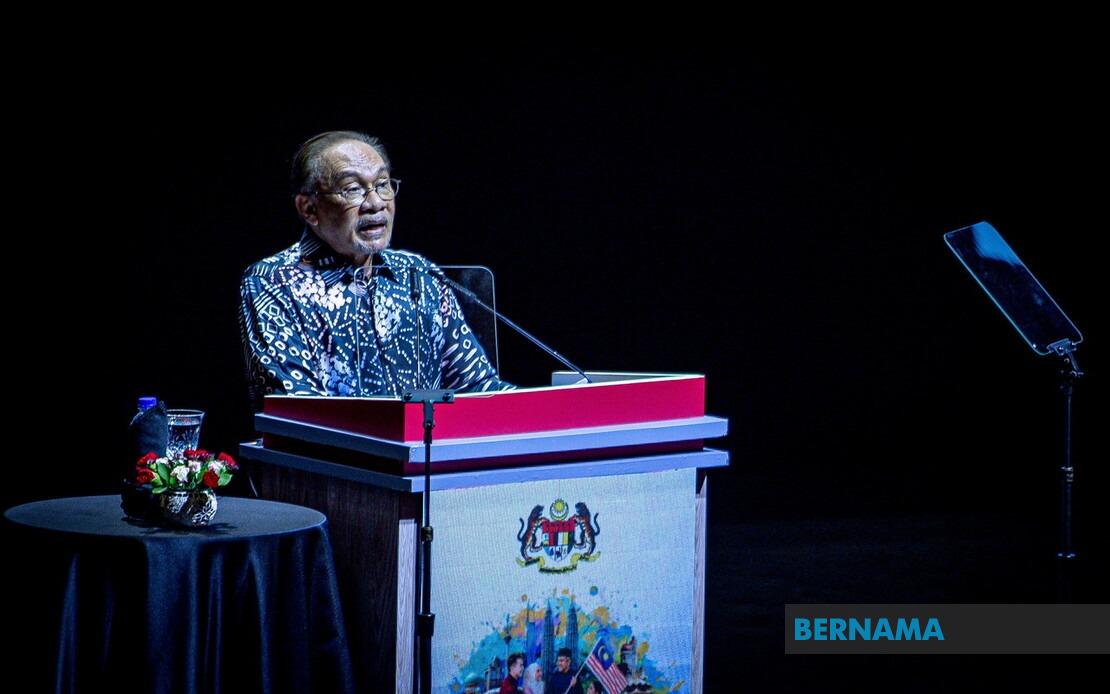
Prime Minister Datuk Seri Anwar Ibrahim has rolled out six immediate policy measures designed to cushion the financial pressures facing Malaysian households, with implementation commencing on September 1. The announcement, delivered during the 2026 National Day Prime Minister's Address at the Putrajaya International Convention Centre, underscores the government's recognition that economic challenges continue to weigh on citizens despite previous interventions across multiple sectors.
The package encompasses adjustments to fuel subsidies—a cornerstone of household budgeting for millions of Malaysians—alongside targeted investments in school maintenance infrastructure. Additionally, the government will accelerate adoption of artificial intelligence applications, expand healthcare digitalisation programmes, implement mandatory e-invoicing systems, and enhance microfinancing accessibility for small enterprises and individual entrepreneurs seeking working capital.
During his address, Anwar acknowledged that the government neither claims to have resolved all economic pressures nor views these measures as a final solution to mounting affordability concerns. His candid assessment reflects growing public anxiety regarding household expenses, particularly for essential services, transportation, and education—areas where inflation has outpaced wage growth in recent years. The Prime Minister's willingness to concede that previous efforts have not fully stabilised living costs demonstrates awareness of citizen sentiment on this persistent challenge.
The timing of these announcements, coinciding with Malaysia's National Day period, carries political significance beyond the immediate policy announcements. By emphasising relief for schoolchildren, young people, housewives, and mothers—demographic groups most sensitive to price fluctuations and household budget constraints—the government targets those most directly impacted by inflationary pressures. This strategic framing positions the measures as responsive to everyday concerns rather than abstract economic policy.
For Malaysian families, the fuel subsidy component remains particularly consequential given transport costs' ripple effects throughout the economy. Adjustments to fuel support directly influence commuting expenses, logistics costs, and consequently retail prices across goods and services. The school maintenance focus addresses infrastructure deficits accumulated across the education sector, potentially improving student learning environments while reducing parental supplementary spending on facilities otherwise unavailable.
The healthcare digitalisation initiative represents a longer-term efficiency drive, though its immediate impact on cost-of-living pressures depends on implementation speed. Digitising medical records, appointment systems, and prescription management could reduce administrative redundancies and out-of-pocket expenses for patients navigating the healthcare system, though benefits may take months to materialise fully.
The e-invoicing mandate and microfinancing enhancements target different economic strata. E-invoicing reduces compliance costs for businesses, potentially translating to lower prices for consumers, while microfinancing expansion acknowledges that many Malaysians lack adequate credit access for legitimate entrepreneurial ventures or household needs. These measures address supply-side constraints that inflate costs for lower-income households.
Artificial intelligence development within government services suggests the administration views technological productivity gains as necessary for future cost containment. However, the connection between AI implementation and immediate relief remains indirect, suggesting these measures balance short-term relief with longer-term structural improvements.
Deputy Prime Minister Datuk Seri Dr Ahmad Zahid Hamidi and Communications Minister Datuk Seri Fahmi Fadzil's presence at the announcement reinforces cross-cabinet commitment to the initiative, indicating coordination across multiple ministries for comprehensive implementation. The involvement of Chief Secretary to the Government Tan Sri Shamsul Azri Abu Bakar signals administrative readiness to execute these measures across federal bureaucracy.
For Southeast Asian observers, Malaysia's approach reflects broader regional concerns about inflation and cost-of-living pressures affecting countries across the Association of Southeast Asian Nations. Rising energy prices, supply chain disruptions, and currency fluctuations have created similar challenges in Thailand, Indonesia, and the Philippines, making Malaysia's policy responses instructive for regional policymakers.
The September 1 implementation date provides minimal lead time for government agencies and affected parties to prepare systems, suggesting measures were substantially developed before the public announcement. This compressed timeline indicates confidence in administrative readiness, though potential execution challenges could arise depending on measure complexity and inter-agency coordination requirements.
Government credibility on cost-of-living issues will depend heavily on tangible outcomes rather than policy announcements. Previous Malaysian administrations have introduced similar relief packages with mixed results, making success measurement crucial for public confidence. Clear communication regarding expected savings, implementation progress, and adjusted timelines will determine whether these measures genuinely alleviate financial stress or merely provide psychological reassurance during economically anxious periods.

