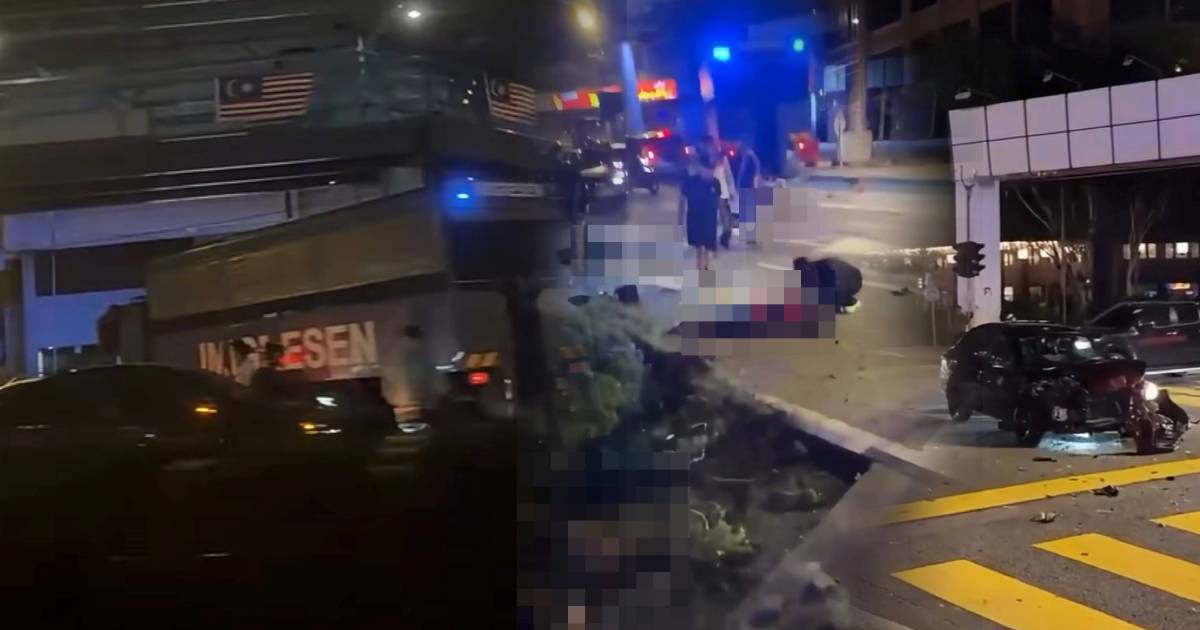
Prime Minister Datuk Seri Anwar Ibrahim has moved swiftly to demand a complete and urgent investigation into a fatal traffic collision that claimed lives when a vehicle operated by the Immigration Department crashed on Jalan Sultan Ismail in central Kuala Lumpur. The incident, which unfolded in the early hours of the day, has prompted immediate action from the highest levels of government to determine the circumstances surrounding the tragedy.
The directive underscores the government's commitment to accountability in public administration, particularly when the vehicles and personnel of federal agencies are involved in incidents resulting in loss of life. By personally ordering the probe, the Prime Minister has signalled that such matters will receive priority attention and rigorous scrutiny. The scope of the investigation is expected to encompass all factors contributing to the crash, from mechanical condition of the vehicle to operational procedures and any potential human factors involved.
Jalan Sultan Ismail, a major arterial route in Kuala Lumpur's central business district, has long been a critical thoroughfare for both private and commercial traffic. The location of the incident on a main road raises questions about traffic conditions, visibility, and whether road infrastructure or signage contributed to the accident. The early morning timing may also have been a relevant factor, depending on ambient lighting and traffic density at that hour.
The Immigration Department, a key agency responsible for border control, travel documentation, and security screening, operates a fleet of vehicles for operational purposes. When such vehicles are involved in fatal incidents, it becomes essential to examine whether departmental safety protocols, driver training standards, and vehicle maintenance schedules were adequately implemented. This investigation may therefore influence future operational procedures across other government agencies managing similar fleets.
Fatalities involving government vehicles carry significant weight in Malaysian public discourse, as they often intersect with questions of governmental competence and institutional oversight. The public expects transparency in such cases, and the Prime Minister's direct intervention suggests that the government is aware of the need to address public concerns promptly and thoroughly. This approach helps maintain confidence in public institutions by demonstrating that serious incidents will not be overlooked or minimised.
Investigations into traffic fatalities typically involve multiple agencies, including the police traffic division, the Road Transport Department, and potentially the Public Works Department if infrastructure concerns arise. The Immigration Department itself will be expected to cooperate fully with investigators and provide all relevant documentation regarding the vehicle's maintenance history, driver qualifications, and any mechanical issues that might have preceded the incident. Coordination between these entities will be crucial to establishing a clear and factual account of events.
Beyond the immediate investigation, such incidents often trigger broader policy discussions about vehicle safety standards in the public sector, driver rest periods, and vehicle inspection regimens. Malaysia has been progressively tightening road safety measures through enforcement and public awareness campaigns, and fatalities involving government vehicles sometimes prompt amendments to operational protocols or refreshed training initiatives.
The geographical location of the crash on a well-travelled route in Kuala Lumpur also means the incident may have resulted in traffic disruption and raised awareness among the commuting public about road hazards. This visibility heightens the importance of a transparent investigation that clearly communicates findings to the public, particularly regarding any systemic issues that might affect future safety.
For Malaysian readers, this incident serves as a reminder of the inherent risks in road travel, regardless of whether one operates a private car or a government vehicle. The swift governmental response reflects international best practices in incident management and reflects a commitment to learning from tragedies to prevent future occurrences. The outcome of this investigation will likely be disseminated to other government agencies to inform their own safety policies, potentially benefiting the broader ecosystem of public sector operations.
The Immigration Department will likely face heightened scrutiny in the coming weeks as the investigation progresses. Beyond the immediate facts of the collision, auditors and policy specialists may review whether the department has adequate safety culture and whether resources allocated to fleet management are sufficient. Such retrospective analysis is standard practice following serious incidents and is generally viewed as a necessary step towards institutional improvement.
For those directly affected by the tragedy, including the families of any fatalities and colleagues of those involved, the investigation represents an opportunity to understand what occurred and to seek answers about whether the incident was preventable. The Prime Minister's involvement signifies that the government recognises the human dimension of this loss and is committed to ensuring that accountability mechanisms function properly.
As the investigation unfolds, attention will also focus on whether similar incidents have occurred previously with government vehicles and what corrective actions were taken. This pattern analysis helps establish whether the crash reflects an isolated accident or points to underlying systemic issues requiring broader institutional reform.

