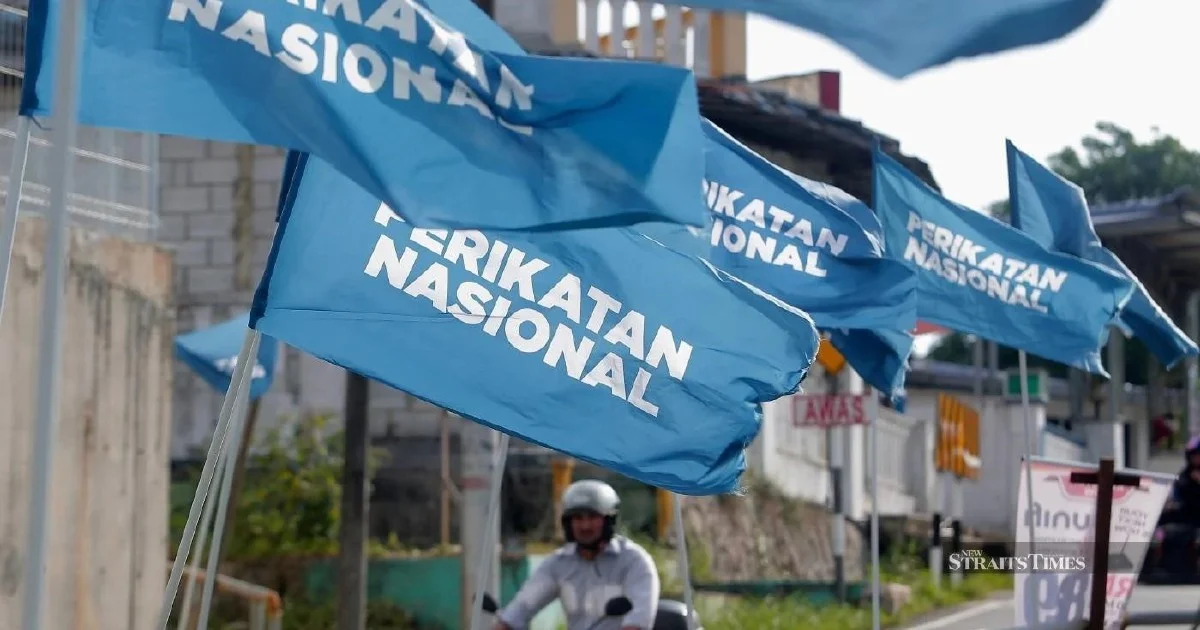
Perikatan Nasional (PN) has moved swiftly to counter misleading information spreading across social media platforms, with deputy chairman P. Punithan dismissing viral claims that the coalition intends to abstain from participating in the forthcoming Johor state election. The statement issued by the opposition coalition categorically refutes what officials describe as a complete fabrication, underscoring growing concern among political parties about the rapid spread of unverified claims in the digital sphere.
The emergence of such false narratives highlights the persistent challenge facing Malaysian politics in an era where misinformation travels faster than official clarifications. For PN, which has been working to consolidate its position as a credible alternative political force, such unsubstantiated claims pose particular risks to party messaging and voter confidence. The coalition's swift response indicates awareness of how quickly rumours can shape public perception, particularly among digital-savvy voters who form an increasingly significant demographic in Malaysian electoral contests.
The timing of these viral claims raises questions about their origin and intent. Political analysts suggest that misinformation campaigns often emerge strategically ahead of state elections, whether originating from rival coalitions, internal party factions, or individuals seeking to create confusion among the electorate. For PN, which has faced various challenges since its reformation and repositioning in Malaysian politics, managing such narratives becomes crucial to maintaining party unity and public credibility.
Johor remains a strategically significant state in Malaysian politics, with its electoral outcomes carrying implications far beyond the state level. The state has traditionally been seen as a political bellwether, and any uncertainty about opposition coalition participation could affect voter calculations and campaign dynamics. PN's categorical denial of the boycott claim serves to reassure supporters and potential voters that the coalition remains committed to contesting elections across Malaysian states.
The distinction between genuine political announcements and fabricated ones has become increasingly blurred in Malaysia's information landscape. Without robust media literacy and fact-checking mechanisms, voters may struggle to distinguish authentic statements from deliberately crafted falsehoods. Political parties now invest considerable resources in rapid response teams designed to combat misinformation, reflecting the new reality of electoral competition in the digital age.
P. Punithan's intervention as deputy chairman carries additional weight, suggesting that PN's senior leadership viewed the false claims as sufficiently serious to warrant immediate official rebuttal. This approach contrasts with occasionally dismissive attitudes toward online rumours that some political figures adopt, instead treating misinformation as a legitimate threat requiring strategic response. The coalition's proactive stance demonstrates recognition that allowing false narratives to circulate unchallenged can calcify into accepted fact within certain voter segments.
For Malaysian voters attempting to navigate political news and claims, such episodes underscore the importance of verifying information through official party channels and reputable news sources. The proliferation of messaging apps and closed social media groups creates fragmented information ecosystems where false claims can flourish unchecked, reaching significant audiences before official denials emerge. Responsible political discourse increasingly requires distinguishing between statements made through official party platforms and unverified claims circulating in digital spaces.
The incident also reflects broader questions about how Malaysian political coalitions should engage with social media ecosystems. While remaining present on platforms where voters gather, parties face the challenge of combating organised disinformation campaigns while avoiding appearing defensive or alarmist. PN's response demonstrates one approach: direct, authoritative dismissal coupled with reaffirmation of existing political positioning.
Looking ahead to the actual Johor election campaign, clarity about which coalitions will contest, the strength of their campaign efforts, and the resources they commit will become apparent through concrete campaign activities rather than rumours. Such tangible indicators provide voters with far more reliable information than viral claims. PN's participation in Johor elections will ultimately be demonstrated through candidate nominations, campaign events, and polling operations rather than through defensive statements against false allegations.
The broader implication for Malaysian politics involves the growing arms race around information control and narrative management. Political parties increasingly employ sophisticated strategies to shape online discourse, counter misinformation, and influence voter perception. For the electorate, this environment demands heightened critical thinking and reliance on verifiable sources rather than unchecked digital claims. As elections approach in various states, voters would be wise to demand clarity directly from official party sources before accepting dramatic claims about coalition strategies or participation.