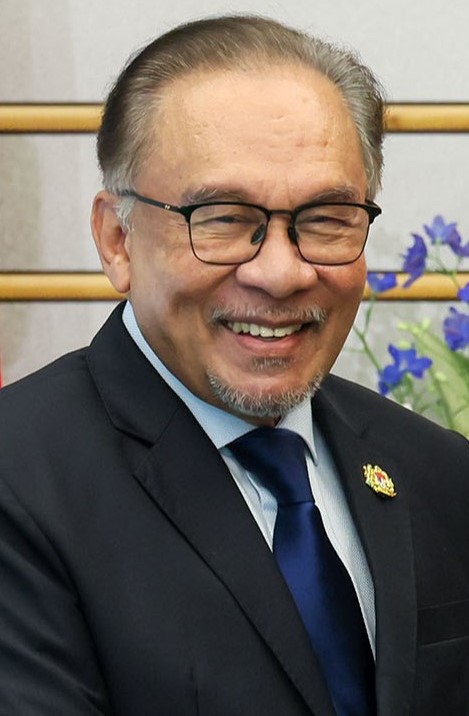
The Perikatan Nasional coalition is making substantial headway in distributing Johor's electoral seats among its member parties, with Tan Sri Annuar Musa announcing that allocations exceeding fifty per cent have now been locked in following intensive negotiations. The development marks a significant milestone in the coalition's preparations for the state, where internal party dynamics and power-sharing arrangements remain critical to presenting a unified electoral front.
Annuar Musa's update reflects the administrative groundwork required whenever multi-party alliances must divide contested territories in peninsular politics. The PN coalition, which comprises several significant political actors across Peninsular Malaysia, faces the familiar challenge of balancing each component party's aspirations with electoral viability and representational fairness. Johor, as one of Malaysia's most populous states and a traditional battleground between competing political forces, carries particular strategic weight in any national electoral calculation.
The momentum reported by Annuar Musa suggests that senior party leadership across PN's member organisations have managed to navigate potential flashpoints in allocation discussions. These negotiations typically involve protracted deliberations over constituency boundaries, incumbent protection, and the allocation of winnable versus challenging seats. That half the allocations are already formalised indicates the coalition's stakeholders have successfully resolved disputes in key areas or postponed contentious matters for later consensus-building.
Johor represents crucial electoral territory for PN. The state sends representatives to both the Dewan Rakyat and the Dewan Undangan Negeri Johor, meaning seat distribution requires careful calibration across two distinct electoral systems. Component parties must receive allocations that reflect both their bargaining power within the coalition and their demonstrated organisational capacity to mobilise voters effectively in particular constituencies. Uneven distributions can breed resentment and undermine campaign coordination when parties feel disadvantaged.
The timing of these announcements carries significance for Malaysian political observers. Coalition unity during the seat allocation phase often determines whether alliances can function cohesively during actual campaigning. Public declarations of progress, such as Annuar Musa's statement, serve multiple purposes: they demonstrate leadership competence to grassroots members, signal coalition stability to potential supporters, and create momentum that can accelerate resolution of remaining disputes.
Regional analysts have long noted that Johor sits at the intersection of multiple political currents. The state's diverse demographic composition, ranging from urban centres like Johor Bahru to rural agricultural areas, means that seat valuations vary considerably depending on socioeconomic profiles and voting patterns. This heterogeneity can complicate allocation discussions when different coalition partners view the same constituency through different strategic lenses.
The remaining forty per cent of unresolved allocations likely comprises the most contentious seats—those with genuine competitive prospects or deep historical significance to particular parties. These negotiations typically proceed more slowly because parties are unwilling to compromise without substantial concessions elsewhere. Annuar Musa's statement suggests confidence that these outstanding matters will eventually be resolved through continued dialogue, though the timeline for completion remains unspecified.
From a broader Southeast Asian perspective, Malaysia's coalition politics illustrates the complexity of multi-party democracy in the region. Unlike two-party systems where seat allocations follow simpler logics, coalitional arrangements require sophisticated negotiation structures, clear dispute-resolution mechanisms, and sufficient trust among partners to accept outcomes that may disappoint particular interests. The PN's progress in Johor demonstrates functional, if imperfect, capacity to manage these challenges.
For Malaysian voters, the significance of these behind-the-scenes negotiations lies in what they ultimately produce at the ballot box. Seat allocation decisions shape which candidates present themselves to constituents and what quality of representation emerges from those contests. When coalitions efficiently resolve these matters and present coherent electoral strategies, competitive elections typically follow. Conversely, protracted disputes or poor allocation decisions can create internal friction that undermines campaign effectiveness.
Annuar Musa's role in announcing this progress reflects his position as a senior figure capable of mediating between PN's constituent parties. His optimism regarding the negotiation trajectory suggests that coalition leadership perceives no fundamental structural barriers to completing remaining allocations. The coordinator's public confidence may itself accelerate resolution by signalling to party delegates that further delays are unnecessary and that leadership possesses sufficient consensus to finalise outstanding matters.
Looking ahead, the completion of Johor seat allocations represents one element in the broader preparation that Malaysian political coalitions undertake between elections. Full allocation of all PN constituencies, candidate finalisation, campaign resource distribution, and messaging coordination remain outstanding. Yet reaching the halfway mark in seat discussions provides a foundation upon which these subsequent preparations can proceed with greater certainty and momentum.