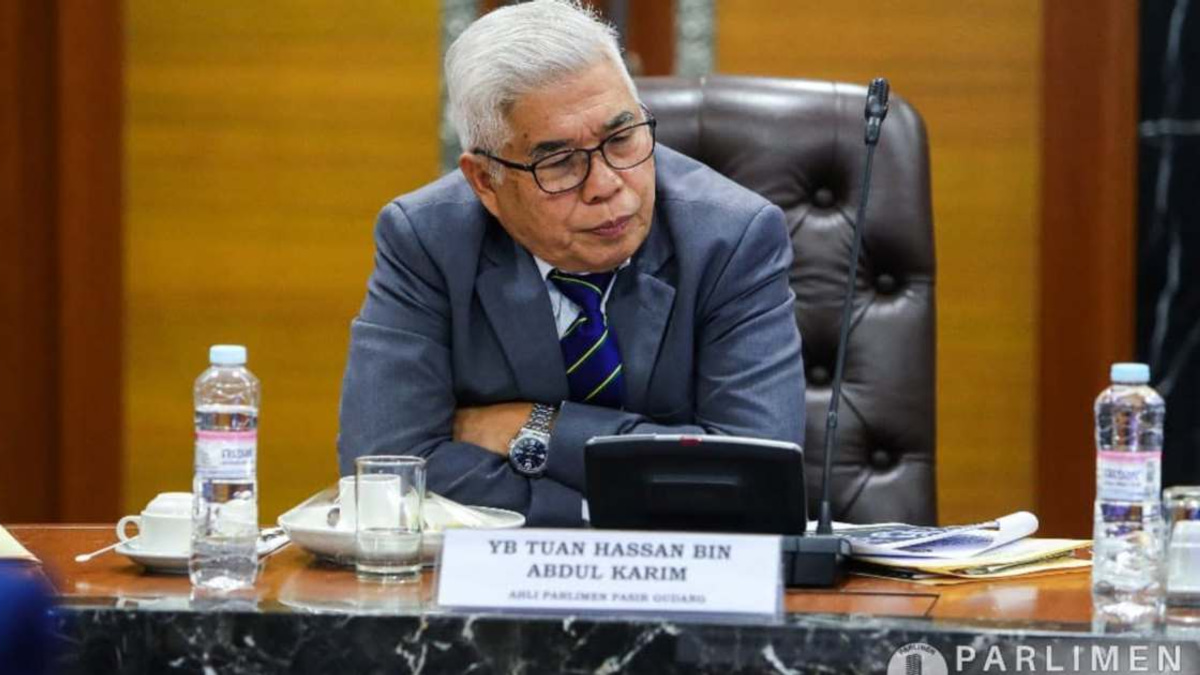
The Perikatan Nasional coalition faces an internal examination of its member parties' roles as the bloc's leadership council prepares to convene, with particular attention turning to Bersatu's standing within the opposition alliance. PAS vice-president Datuk Seri Dr Ahmad Samsuri Mokhtar confirmed that the meeting scheduled for tomorrow in Temerloh will place Bersatu's position on the agenda, signalling ongoing tensions within the three-party coalition that also includes PAS and Perikatan Nasional component parties.
The discussion comes at a moment of significant political flux for Malaysia's opposition bloc, which has struggled to maintain unity despite polling strongly against the current government in several constituencies. Bersatu, led by Muhyiddin Yassin, has faced repeated questions about its commitment to PN's collective strategy, particularly following the party's inconsistent voting patterns in Parliament and diverging positions on key legislation. The planned deliberation reflects mounting pressure among PAS and other coalition members to clarify Bersatu's intentions and expectations for the alliance's direction.
Bersatu's trajectory within the coalition has been complicated by internal party dynamics and broader political realignments affecting Malaysian opposition politics. The party emerged from a split within UMNO and retains significant federal and state machinery resources, making it simultaneously valuable and unpredictable within PN's calculations. Leadership changes and factional disputes within Bersatu have occasionally created friction with allied parties, necessitating periodic realignments and reassertions of coalition principles.
The timing of this discussion carries weight for Southeast Asian political observers tracking Malaysia's opposition consolidation efforts. Unlike other regional blocs that have achieved tighter institutional coordination, PN has functioned as a loose alliance of convenience, lacking the binding mechanisms that typically hold coalitions together during extended opposition periods. Tomorrow's meeting represents an opportunity for the leadership to establish firmer parameters for member conduct and commitment, potentially reshaping how the coalition operates in the run-up to the next general election.
For Malaysian voters and political analysts, the deliberations signal that PN's three components remain unresolved on fundamental questions about authority, resource distribution, and party autonomy within the alliance. These structural ambiguities have hampered the coalition's ability to present unified alternatives on policy matters ranging from economic management to religious affairs, areas where the parties' member bases hold distinct positions.
PAS, as the meeting's host and a party with significant organizational strength in traditional Malay-Muslim constituencies, has positioned itself increasingly as the PN's stabilizing force. The party's willingness to publicly discuss Bersatu's role suggests confidence in its own standing and a determination to prevent further coalition deterioration. Dr Ahmad Samsuri's comments represent a deliberate transparency aimed at reassuring party members and supporters that leadership is actively addressing coalition management challenges rather than allowing tensions to fester beneath the surface.
The substantive issues likely to surface during tomorrow's discussions probably include clarifying voting obligations in Parliament, establishing mechanisms for collective decision-making, and potentially redefining seat allocation agreements for future electoral contests. These procedural matters, while seemingly technical, carry enormous implications for whether PN can function as a coherent political force capable of mounting sustained pressure on the government or whether it will remain a collection of parties with competing interests.
Bersatu's response to this meeting will reveal much about Muhyiddin's strategic calculations. The party leadership faces pressure both from within its own ranks, where some members have advocated for greater independence, and from coalition partners seeking deeper integration and commitment. Any moves toward loosening PN's structures could trigger accelerated defections among Bersatu members attracted to other political configurations, while tighter discipline might alienate the party's more independent-minded constituencies.
The broader context for this discussion extends to Malaysia's evolving political landscape, where opposition consolidation remains incomplete despite years of anti-government mobilization. Unlike stronger regional opposition blocs, Malaysian opposition parties continue struggling with questions of trust, shared vision, and resource competition. The PN alliance, despite its significant parliamentary presence and control of several state governments, has not yet demonstrated the cohesion necessary to present a compelling alternate government platform.
For Malaysian observers of coalition politics, tomorrow's meeting represents a critical juncture in determining whether PN will crystallize into a more durable political formation or continue functioning as a temporary convenience subject to regular realignments. The outcomes will influence not merely internal PN dynamics but the broader competitive environment facing Barisan Nasional and the fragmented opposition landscape that characterizes contemporary Malaysian politics.