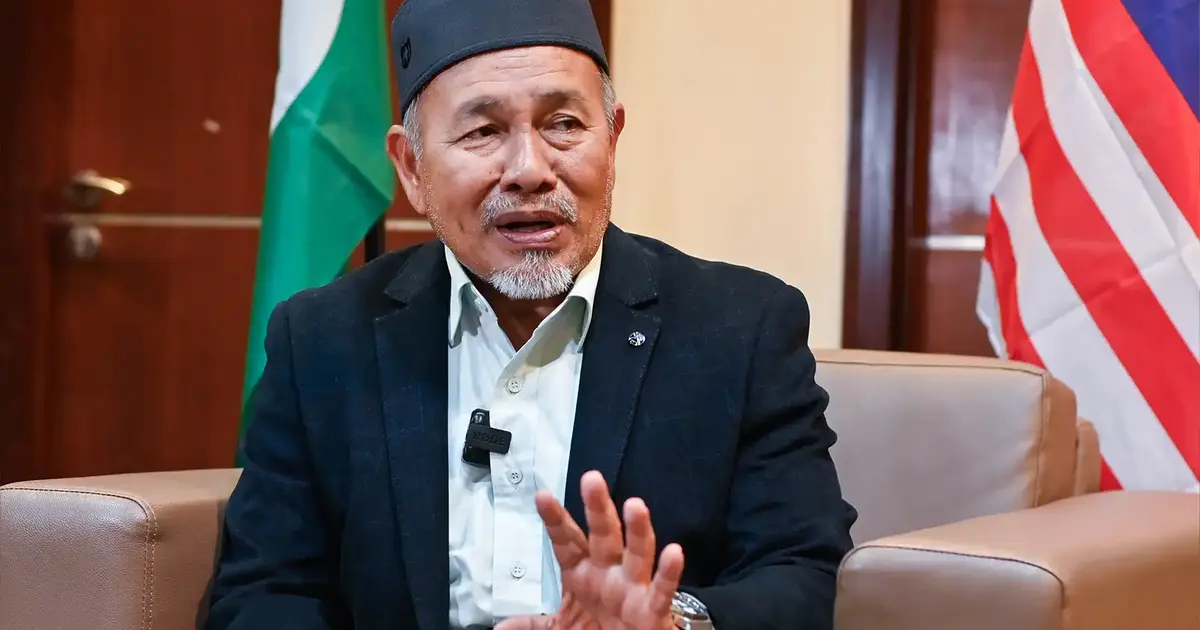
The Perikatan Nasional coalition appears relaxed about the prospect of seat allocation disagreements with Barisan Nasional as both blocs prepare for the Melaka state election, according to senior PAS leadership. Despite formal negotiations between the two coalitions not yet commencing, PAS deputy president Tuan Ibrahim Tuan Man has projected a measured confidence that any conflicts arising from seat distribution can be navigated and settled through cooperative discussion.
Tuan Ibrahim's commentary reflects a broader political calculation within PN that historical working relationships with BN partners, combined with shared electoral interests in the state, will provide sufficient common ground to prevent major ruptures. The statement suggests that while seat allocation remains technically unresolved, the coalition leadership believes underlying goodwill exists to facilitate agreements acceptable to all parties involved. This optimistic framing carries significance for Malaysian voters and political observers seeking to understand the stability of coalitional arrangements at the state level.
Melaka holds particular political importance for both coalitions. The state has been a battleground where PN and BN have alternated or shared control in recent election cycles, making seat negotiations in this contest especially consequential. Any public discord over seat distribution could undermine the credibility of either coalition's campaign messaging or create friction that weakens their collective electoral performance. By projecting confidence beforehand, PAS signals to its own base and to voters that the coalition remains united and focused.
The absence of formal seat talks at the time of Tuan Ibrahim's remarks indicates that both coalitions were likely still assessing their individual strategic positions and voter sentiment before entering binding negotiations. This period allows each coalition partner to gauge their own electoral prospects and determine which seats they wish to contest, information essential for productive negotiation. The PAS deputy president's preemptive reassurance suggests that PN wanted to manage expectations and prevent media narratives from portraying seat disputes as inevitable conflict.
Historically, seat negotiations between major coalitions in Malaysia have produced friction, with smaller parties within coalitions sometimes feeling shortchanged or larger parties resisting compromise. PAS, as a significant component of PN alongside Bersatu and others, would be keenly aware of these dynamics. Tuan Ibrahim's confidence may rest partly on PAS's assessment of its own strength in Melaka constituencies, where the party has established presence and voter networks. Strong performance in internal discussions could translate to favorable seat allocations.
For BN, which comprises UMNO, MCA, MIC, and PBS among others, similar calculations apply. UMNO's traditional dominance in Melaka gives it inherent leverage in seat talks, yet the party faces pressure from BN coalition partners to ensure equitable distribution. Any perception that UMNO monopolises winnable seats risks damaging BN's internal cohesion and potentially triggering public criticism from other component parties. This structural incentive exists regardless of negotiations with PN.
The Malaysian political landscape has evolved significantly, with voters increasingly punishing coalitions that appear fractious or divided. State elections like Melaka's therefore require coalitions to present unified facades while managing internal disputes quietly. Tuan Ibrahim's remarks serve this objective by establishing a narrative of harmonious negotiations before they formally commence. If problems do emerge during actual seat talks, either coalition could later adjust this messaging or invoke Tuan Ibrahim's prior optimism as evidence of good-faith efforts.
Regional implications extend beyond Melaka. How PN and BN manage seat allocation here offers a template for potential cooperation in other state elections or even future national contests. Successful coordination would suggest that despite bitter national-level competition, both coalitions retain sufficient institutional maturity to cooperate on pragmatic terms when state interests align. Conversely, significant disputes could signal deepening polarization that makes cross-coalition collaboration increasingly difficult.
For Malaysian voters, the seat allocation outcome matters because it influences which candidates and which coalition they will see on their ballots. Competitive negotiations typically result in marginal seats being allocated to whichever coalition partner polls suggest can win them, theoretically maximizing coalition vote efficiency. When negotiations prove contentious, seats sometimes go to compromise candidates or weaker contenders, potentially affecting election results and state governance quality.
Tuan Ibrahim's confident tone also reflects PAS's broader positioning within PN. As the party competes within the coalition for influence and resources, projecting strength and optimism about seat talks enhances its negotiating position. Parties that appear eager or desperate in seat discussions typically receive fewer attractive seat allocations from larger partners. By suggesting PN will have no trouble with BN, Tuan Ibrahim implicitly signals that PAS enters negotiations from a position of strength and necessity to BN, which may improve PN's bargaining terms.
Looking ahead, the actual commencement of formal seat talks will test whether Tuan Ibrahim's optimism translates to reality. Both coalitions face time pressure, as state elections in Malaysia typically involve compressed campaign periods. Prolonged negotiations risk eating into campaigning time, creating incentive for swift agreement despite underlying tensions. This timeline pressure works in favor of optimistic predictions, as both sides may prefer settling quickly over extended disputes.
The Melaka election thus becomes a measuring stick for coalition stability and cooperation capacity in Malaysian politics. Observers across Southeast Asia watching Malaysian political dynamics will note whether PN and BN managed seat allocation collegially, as such cooperation carries implications for Malaysia's political direction and the viability of shifting coalition arrangements that have characterized Malaysian politics in recent years.

