PNB Merdeka Ventures Sdn Bhd (PNBMV) has introduced a new initiative aimed at strengthening the connection between contemporary Malaysians and the nation's independence narrative through the launch of its inaugural Merdeka film, titled 'GAPAI'. The project represents a strategic effort to ensure that the values and significance of Malaysia's struggle for independence remain relevant and meaningful to younger generations who may not have directly experienced the pivotal moments of 1957.
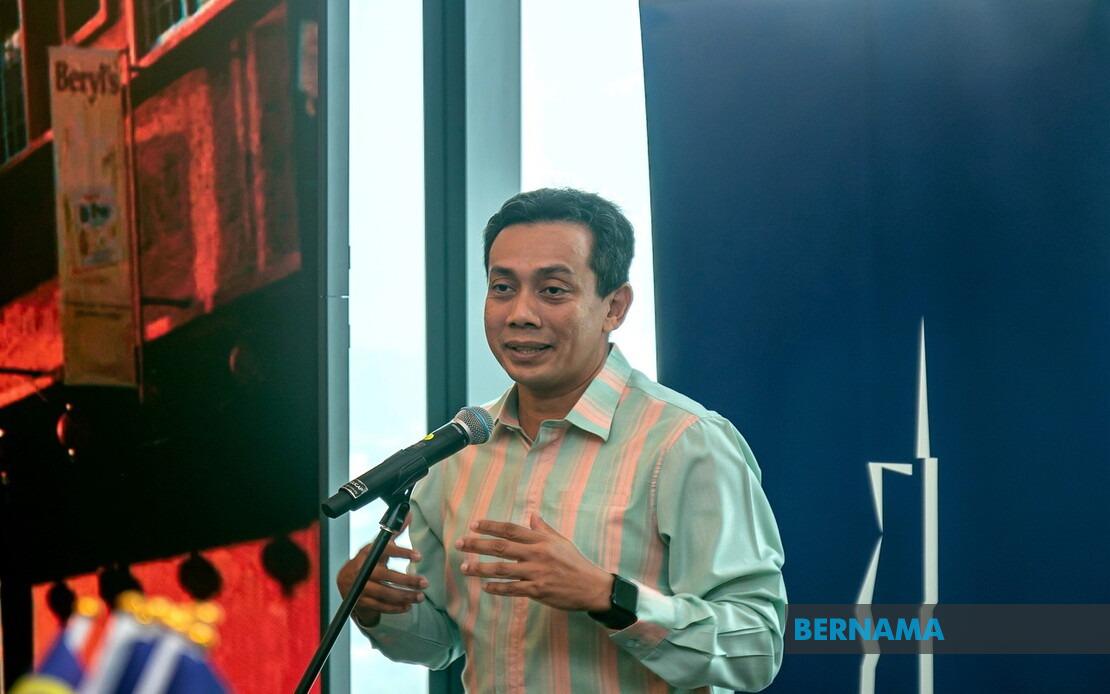
Datuk Dr Izwan Ibrahim, chief executive officer of PNBMV, articulated the organisation's philosophy underlying the initiative, emphasising that custodianship of Malaysia's most pivotal historical moments extends beyond mere preservation. Instead, PNBMV views its role as one of active stewardship—ensuring that the narratives embedded in the nation's past serve as living inspiration for those charting the country's future direction. This perspective reflects a broader recognition that heritage institutions must evolve beyond passive archival functions to become dynamic platforms for contemporary engagement.
The Merdeka 118 precinct, where this film initiative is centred, occupies uniquely significant ground—the very location where Malaysia's independence was formally declared. According to Ibrahim, every visitor to this space should experience a moment of reflection about Malaysia's journey from colonial rule to nationhood, and by extension, contemplate the achievements and challenges that have accumulated over nearly seven decades of independence. This framing transforms a physical location into a pedagogical space where history becomes experiential rather than abstract.
Central to the month-long celebration is a three-day Merdeka festival scheduled for August 29-31, organised collaboratively between Merdeka 118 and LOCCO. The event will activate both the Merdeka Stadium and Merdeka Boulevard with a diverse programme designed to appeal to multiple demographics and interest groups. The Merdeka Community Bazaar component creates space for grassroots participation, while cultural and heritage activities preserve and showcase traditional practices that form the tapestry of Malaysian identity across its multicultural landscape.
The programme's inclusion of a Merdeka Flashmob signals an intentional blend of traditional commemoration with contemporary, digitally-native forms of expression. This approach acknowledges that younger Malaysians—particularly those immersed in social media ecosystems—may respond more readily to participatory, visually striking moments than to conventional ceremonial formats. The WarisanKL Explorace, by contrast, represents a gamified approach to heritage discovery, transforming the precinct into an interactive space where participants can engage with historical narratives through exploration and challenge.
The Merdeka Textile Museum's extended free admission period, running from August 22 through September 30, extends the celebratory window well beyond the official National Month. This elongated access period suggests recognition that heritage engagement cannot be confined to a single month but requires sustained opportunity for public interaction. Textiles carry particular cultural weight in Malaysian society, embodying both the artistic traditions of diverse communities and the commercial networks that have historically connected Malaysia to broader regional and global systems.
The 'GAPAI' film itself will be distributed through Merdeka 118's social media channels, beginning August 25. This distribution strategy prioritises digital platforms where younger audiences congregate, bypassing traditional broadcast channels that may not reach the target demographic effectively. The name 'GAPAI'—which carries connotations of reaching, striving, and aspiration—encodes within itself the narrative arc that the film likely pursues: the collective reaching toward freedom that animated Malaysia's independence movement.
For Malaysian readers, the initiative carries implications extending beyond ceremonial commemoration. In a regional context where Singapore, Indonesia, and Thailand have each undertaken substantial projects to reshape how their populations understand national identity and historical significance, Malaysia's efforts through PNBMV represent an attempt to compete for generational attention and emotional investment in the independence narrative. This is particularly consequential given contemporary discourse surrounding national unity, as the independence struggle increasingly becomes framed as a shared achievement of multiple ethnic and religious communities rather than the exclusive story of any single group.
The timing of this initiative also merits consideration. Launching a major heritage engagement project at Merdeka 118 during a period when Malaysia's political landscape continues to evolve suggests deliberate institutional effort to ground contemporary debates about governance, representation, and national direction in the foundational principles articulated during independence. By making this historical narrative accessible and engaging, PNBMV attempts to anchor discussions about Malaysia's present challenges and future possibilities to the ideals that animated the independence movement.
The collaboration between PNBMV and LOCCO demonstrates how heritage-focused organisations increasingly function within broader ecosystems of cultural and commercial stakeholders. Rather than operating in isolation, institutions stewarding national memory now recognise that sustained public engagement requires partnership with entities capable of mobilising audiences, managing logistics, and amplifying messaging through contemporary communication channels. This collaborative model may become increasingly standard as Malaysian cultural institutions navigate the challenge of remaining relevant in an attention-scarce digital environment.
Looking forward, the success of 'GAPAI' and its accompanying programming will likely influence how PNBMV and similar institutions approach future heritage initiatives. Should the film and festival generate substantial public engagement—particularly among younger demographics—it may catalyse expanded budgets and ambitions for heritage-based content creation. Conversely, limited uptake might prompt reflection about whether heritage narratives, however artfully presented, can compete effectively for the attention of populations whose relationship to national history continues to evolve with each generational cohort.
For Southeast Asian observers, PNBMV's initiative also models an approach to heritage institutionalisation that blends respect for historical significance with acknowledgment of contemporary communication realities. As other nations in the region grapple with similar questions about how to maintain historical consciousness amid rapid social change and generational transition, Malaysia's experiment with digitally-distributed Merdeka cinema and interactive heritage experiences may offer instructive lessons about institutional adaptation and the possibilities for making national memory viscerally compelling to populations who never lived through the events being commemorated.

