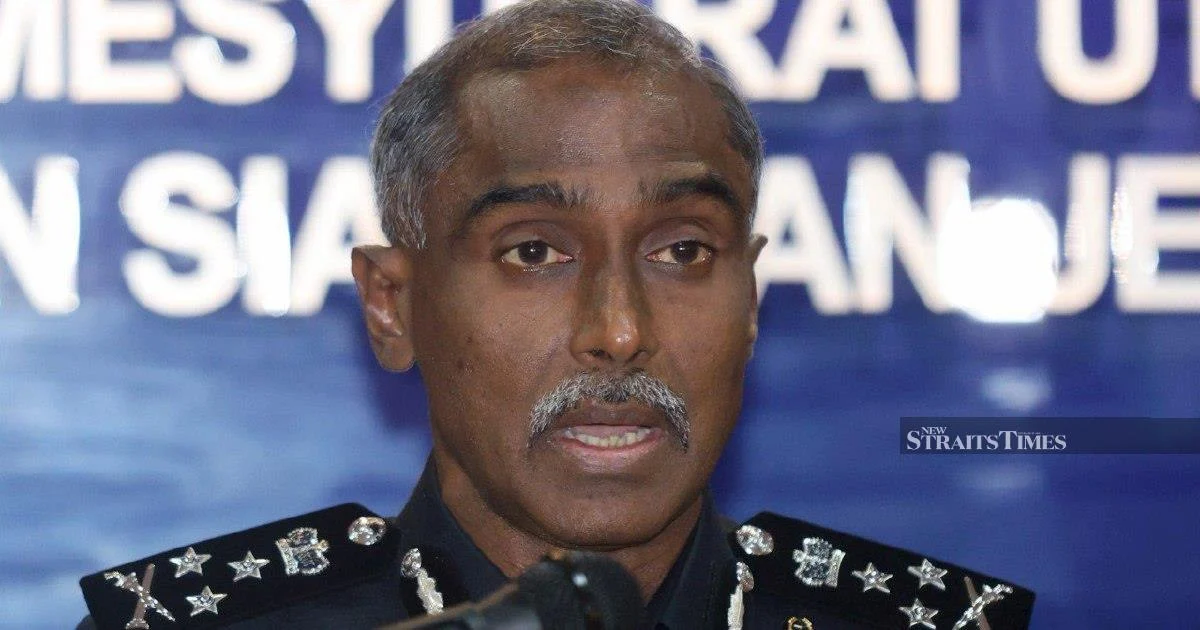
Police concluded a comprehensive four-day integrated operation across Selangor that netted 349 arrests, demonstrating a sustained focus on organised crime and apprehending long-sought individuals. Among those detained were five suspects held under the Security Offences (Special Measures) Act 2012, commonly known as Sosma, signalling heightened attention to potential security threats during the operation.
The operation represents a significant enforcement exercise for the Royal Malaysia Police, combining resources and intelligence to target networks involved in organised criminal activity within Malaysia's most developed and densely populated state. Selangor's position as an economic and commercial hub makes it a strategic focus area for law enforcement operations, given the state's size and the complexity of criminal networks operating across multiple jurisdictions.
The inclusion of five Sosma detainees within the broader arrest figures underscores the multifaceted nature of contemporary police operations in Malaysia. The act, which grants law enforcement expanded investigative powers for security-related offences, reflects authorities' approach to addressing threats ranging from terrorism to national security concerns. These detentions would typically follow intelligence-led investigations distinct from conventional criminal enquiries, suggesting the operation combined routine crime prevention with targeted security operations.
Organised crime remains a persistent challenge across Southeast Asia, with Selangor serving as a critical jurisdiction for enforcement efforts. Criminal syndicates operating in the state engage in various illicit activities including drug trafficking, human smuggling, illegal gambling, and financial crimes. The scope of arresting 349 individuals within a short timeframe indicates the operation employed coordinated multi-agency tactics and intelligence sharing to maximise impact on criminal networks.
The strategic timing and execution of such operations often reflects police intelligence regarding heightened criminal activity or the identification of key targets. By concentrating enforcement resources over a defined period, authorities can disrupt criminal operations more effectively than sporadic policing efforts. Four days of sustained operations suggest significant planning and coordination among various police units and potentially other government agencies involved in crime prevention.
The operation's focus on wanted persons alongside organised crime targets illustrates the linkages between different criminal spheres. Individuals sought for outstanding warrants frequently overlap with networks involved in organised criminal activity, meaning their apprehension can interrupt multiple strands of illegal enterprise. This integrated approach reflects evolving police strategies that recognise the interconnected nature of organised crime in urban environments.
For Selangor residents, such operations carry both immediate and longer-term implications. While high-profile arrests generate public confidence in law enforcement capability, their sustained effectiveness depends on conviction rates and prosecution success in court proceedings. The volume of arrests also raises questions about detention capacity and the police's ability to process, investigate, and transfer cases to prosecutors in a timely manner without overwhelming the criminal justice system.
The presence of Sosma detainees within the operation warrants particular scrutiny, as the act permits detention without charge for extended periods compared to standard criminal procedure. While the legislation provides tools for addressing security threats, its application requires careful oversight to ensure proportionality and adherence to human rights standards. International and domestic civil rights observers have raised concerns about the act's potential for misuse, necessitating transparent communication regarding the nature of security concerns prompting such detentions.
From a regional perspective, Selangor's crime control challenges mirror those across Southeast Asia, where rapid urbanisation and economic development have created environments conducive to transnational criminal networks. Malaysia's position within regional trafficking routes for drugs, counterfeit goods, and persons makes enforcement operations particularly vital. Police cooperation with neighbouring countries and international partners increasingly forms an essential component of sophisticated crime-fighting strategies.
The four-day operation's success, measured by arrest numbers, represents only the initial phase of a longer law enforcement process. Subsequent investigation, prosecutorial decisions, and court proceedings will determine the true impact on criminal networks. Intelligence gathered during the operation may also yield leads benefiting future investigations, extending the operation's value beyond immediate detentions.
Community engagement and public cooperation complement police enforcement efforts, though resource constraints and trust deficits in some communities remain obstacles to intelligence gathering. Operations of this scale demonstrate police commitment to addressing organised crime, yet sustainable crime reduction requires complementary investments in community policing, crime prevention education, and social interventions addressing root causes of criminal activity.
Looking forward, the continuation of integrated operations reflects law enforcement's recognition that organised crime requires sophisticated responses beyond traditional policing. As criminal networks adapt tactics and exploit technological advances, police operations must similarly evolve, incorporating intelligence analysis, surveillance technology, and inter-agency coordination. The operation's scale and scope suggest these adaptations are already underway within Malaysian police structures, though maintaining momentum and resource allocation remain ongoing challenges.
%22%2F%3E%3C%2Fpattern%3E%3C%2Fdefs%3E%3Crect%20width%3D%22100%25%22%20height%3D%22100%25%22%20fill%3D%22url(%23ph6m3xg)%22%2F%3E%3Crect%20width%3D%22100%25%22%20height%3D%22100%25%22%20fill%3D%22url(%23ph6m3xp)%22%2F%3E%3Ctext%20x%3D%2250%25%22%20y%3D%2250%25%22%20text-anchor%3D%22middle%22%20dominant-baseline%3D%22central%22%20fill%3D%22rgba(255%2C255%2C255%2C0.95)%22%20font-family%3D%22Georgia%2C%20'Times%20New%20Roman'%2C%20serif%22%20font-weight%3D%22700%22%20font-size%3D%22320%22%20letter-spacing%3D%22-0.02em%22%3E32%3C%2Ftext%3E%3C%2Fsvg%3E)