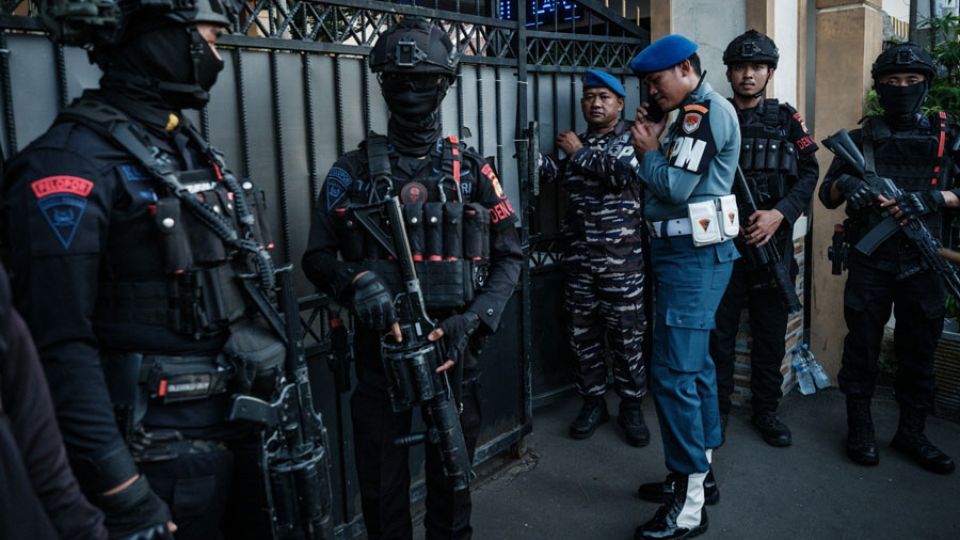
A 34-year-old suspect identified by the initials MY has been arrested by Jakarta police in connection with a bomb threat that disrupted the commencement of the academic year at SD Srengseng Sawah 15 Pagi state elementary school in the Jagakarsa district of South Jakarta on Monday. The suspect, who was apprehended in the vicinity of the school hours after the threatening message was transmitted, is currently in police custody undergoing interrogation at South Jakarta Police headquarters regarding his alleged involvement in the incident.
According to authorities, the threatening communication was delivered through WhatsApp to educators and administrative personnel at the institution, asserting that explosives had been concealed at eleven separate locations throughout the school's compound. The timing of the message proved particularly disruptive, as students were actively participating in the school's opening-day flag-raising ceremony at the moment staff members began receiving the alarming notifications. The recipients of the threatening message notified authorities immediately following the conclusion of the ceremony, triggering swift emergency response protocols.
The school's response to the threat was immediate and comprehensive. Upon receiving reports of the bomb threat, authorities ordered a full evacuation of the school premises and promptly deployed specialist personnel to conduct a thorough search of the facility. Responding units included members of the Gegana bomb disposal team, the country's leading explosive ordnance disposal authority, alongside personnel from Densus 88, Indonesia's elite counterterrorism unit. Despite the extensive and systematic search of the school complex and all eleven locations mentioned in the threat, investigators found no actual explosives or suspicious devices at any location within or around the school grounds.
Greater Jakarta Police spokesperson Sr. Comr. Budi Hermanto provided official confirmation of the arrest and outlined the current investigative direction. Hermanto stated that the individual, who maintains a residence in the immediate vicinity of the school, has been placed in secure custody. The spokesperson noted that investigators are actively working to establish the underlying motivations for the threat and to determine what specific purpose the suspect intended to accomplish through his actions. The fact that the suspect resided near the school has raised questions about whether he possessed specific knowledge of the facility or harbored grievances related to the institution.
Jagarkarsa Police chief Comr. Nurma Dewi provided additional operational details regarding how the threat unfolded during the school day. Dewi confirmed that the threatening WhatsApp messages targeted not just random school staff, but were deliberately directed toward teachers and members of the school's administrative office. The strategic timing of the message, coinciding with the flag-raising ceremony that typically marks the formal beginning of Indonesia's school day, suggests the sender possessed knowledge of the school's daily schedule and routines. This raises investigative questions about whether the perpetrator had any prior association with or familiarity with the school's operations.
The incident occurred during a period of heightened vulnerability for educational institutions, as schools across Jakarta and Indonesia simultaneously reopened their campuses after the mid-year holiday break. The first day of the school term typically draws full attendance from students and staff, meaning schools operate at or near maximum capacity. Disruptions on opening day can have cascading effects on academic planning and scheduling, making such threats particularly disruptive to institutional functioning.
The rapid response by law enforcement demonstrates Indonesia's established protocols for handling bomb threats in civilian spaces. The deployment of both Gegana and Densus 88 units indicates that authorities treated the threat with appropriate seriousness, given Indonesia's history with security incidents and the potential consequences if such threats were dismissed. However, the absence of actual explosives suggests the incident may have been motivated by factors other than genuine intent to cause harm, though investigators continue to develop their case.
The incident raises broader questions about school security in Indonesia and the ease with which digital communication platforms can be exploited to create public panic and disrupt essential social institutions. WhatsApp's popularity and ubiquity in Indonesia make it an accessible medium for spreading false threats, and the relatively low technical barrier to launching such hoaxes means schools and other public facilities remain vulnerable. Educational institutions are now grappling with the challenge of responding appropriately to threats while avoiding the operational disruptions and psychological impacts of false alarms.
Investigators are continuing their examination of the suspect's communications, digital devices, and background to establish whether this was an isolated incident or part of a pattern of concerning behavior. The proximity of the suspect's residence to the school will likely feature prominently in the investigation, as will any evidence regarding his relationship to the school community. Authorities have not yet disclosed the specific charges being prepared against MY, though the severity of disrupting a school with a bomb threat typically carries substantial legal penalties under Indonesian law.

