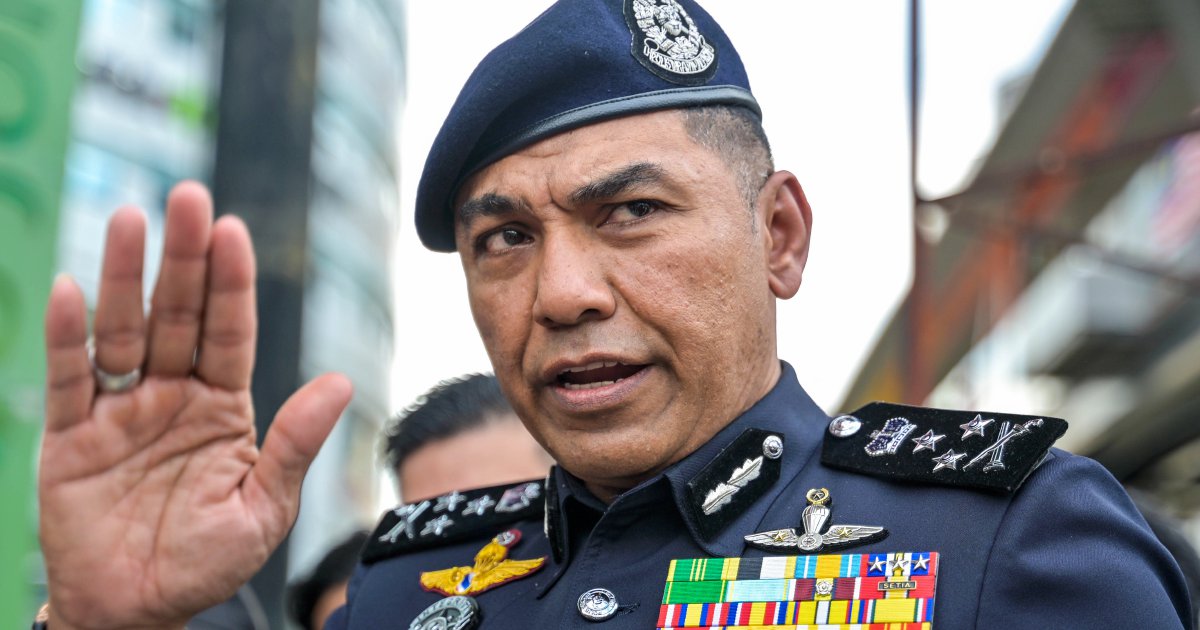
Police forces moved swiftly in the early morning hours at a condominium location in Sentul, Kuala Lumpur, apprehending three individuals in connection with illegal motorcycle racing activities. Among those detained was a man believed to be operating as a 'jockey'—the term used for riders who participate in organised street racing operations, often coordinating with financiers and organisers behind the scenes. The arrests followed an aggressive attempt by the suspects to escape the police operation, highlighting the escalating enforcement against underground racing networks in the capital.
The term 'jockey' has become embedded in Malaysian street racing vernacular, referring to skilled riders recruited specifically to compete in illicit races for substantial financial stakes. These individuals typically work within tightly-knit criminal syndicates that coordinate events, place bets, and manage the logistics of clandestine racing operations. The distinction between a 'jockey' and casual street racers is significant—jockeys operate as semi-professional competitors, often compensated directly for their participation and subject to pressure from race organisers and betting syndicates. Their arrest signals law enforcement's targeted approach toward dismantling the hierarchical structures of these criminal enterprises rather than simply catching individual racers.
The Sentul area, situated in the northern expanse of Kuala Lumpur's urban landscape, has historically presented enforcement challenges for traffic police and the Royal Malaysia Police. The district's mix of residential developments, commercial zones, and accessibility to major thoroughfares makes it an attractive location for illegal racing groups seeking venues distant from heightened police presence in the city centre. The selection of a condominium as an operational base suggests these networks have become increasingly sophisticated in their use of private residential spaces for coordination, betting operations, and rider management.
The predawn timing of the police operation indicates careful intelligence gathering and planning by authorities. Law enforcement agencies often conduct raids during early morning hours when suspects are least prepared to flee and when residential areas provide fewer escape routes. The documented attempt to evade police during this operation underscores the willingness of participants in these illegal racing networks to resist arrest, a concerning development that complicates enforcement efforts and raises public safety concerns.
Illegal motorcycle racing has persistently challenged Malaysian authorities across multiple states, generating substantial economic activity within underground betting markets while simultaneously creating road safety hazards. These operations divert resources from legitimate law enforcement priorities and contribute to neighbourhood disruption through noise pollution and traffic congestion. The involvement of organised syndicates with clearly defined roles—financiers, organisers, 'jockeys,' pit crew members, and lookouts—suggests these are no longer spontaneous street racing incidents but rather systematised criminal enterprises.
The arrest of the suspected 'jockey' carries particular significance for understanding these networks' operational vulnerabilities. By targeting experienced riders rather than only casual participants, police can potentially disrupt the competitive infrastructure that draws amateur racers and generates betting revenue. Jockeys, as skilled operators with established reputations, become valuable intelligence sources about race organisers, sponsorship arrangements, and the financing mechanisms underpinning these syndicates. Their detention may consequently yield broader investigative leads.
The condominium setting presents questions about the involvement of property owners or managers in facilitating these operations. Whether the venue served as a planning location, meeting point, or cash storage facility remains part of the police investigation. The use of residential properties for illegal activities represents a particular concern for building management and neighbouring residents, suggesting these criminal networks have minimal regard for the safety and wellbeing of communities in which they operate.
From a broader perspective, the three-person arrest reflects an evolution in street racing enforcement strategy. Rather than focusing solely on roadside intercepts during actual racing events, authorities are increasingly targeting the support infrastructure and key personnel who maintain these operations. This represents a more strategic approach aimed at disrupting the supply of organised racing opportunities, though it requires sustained intelligence work and inter-agency coordination.
The implications for Southeast Asian readers extend beyond Malaysia's borders. Similar illegal racing syndicates operate across the region, from Singapore to Thailand to Indonesia, often with transnational connections and vehicle trafficking networks. The tactics employed by Malaysian police may provide instructive lessons for neighbouring jurisdictions grappling with comparable enforcement challenges. Regional cooperation on intelligence sharing regarding key figures, vehicle modifications, and betting operations could strengthen law enforcement capacity across Southeast Asia.
Moving forward, this operation exemplifies the ongoing cat-and-mouse dynamic between organised racing networks and police forces. As enforcement efforts become more sophisticated and targeted, these syndicates adapt their methods, relocating operations, changing communication channels, and recruiting new participants from populations resistant to detection. Sustainable progress against illegal racing requires not only successful arrests but also community engagement, addressing root causes of youth involvement, and tackling the substantial financial incentives driving participation in underground racing networks.

