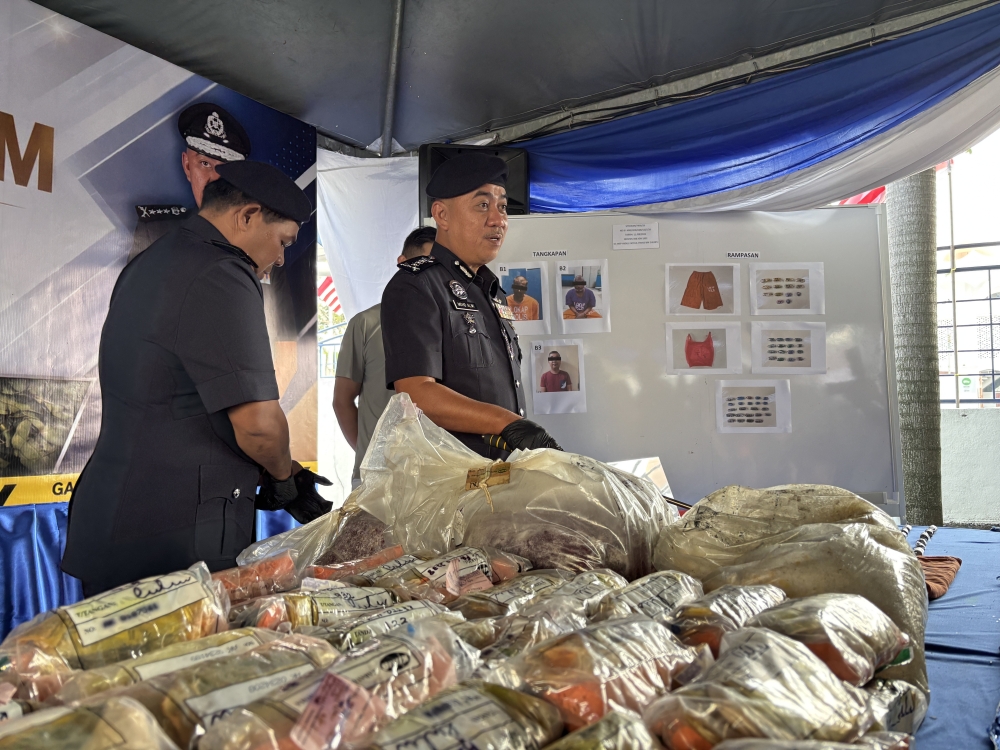
A police constable in Perak has found himself at the centre of a drug-related investigation after narcotics valued at RM18,534 were discovered within the premises of Lumut police station. The seizure, which included methamphetamine, heroin, and cannabis, has triggered an internal inquiry that threatens to tarnish the force's reputation at a time when public confidence in law enforcement remains a sensitive issue across Malaysia.
Three individuals, including the uniformed officer, were apprehended in connection with the drugs found inside the holding cell at the police facility. The discovery has raised troubling questions about security protocols within police stations and how such substances managed to enter a supposedly secure environment. Officers from the narcotics unit moved swiftly to secure evidence and initiate formal investigations that could result in serious charges against those involved.
The presence of controlled substances within a police detention area is particularly concerning given the institutional safeguards that are meant to be in place. Police stations across Malaysia are equipped with procedures designed to prevent contraband from entering cells and evidence rooms. The Lumut incident suggests these measures may have either failed or been deliberately circumvented, representing a significant breach of operational security that authorities will need to address comprehensively.
For the police constable facing arrest, the implications are severe and multifaceted. Beyond potential criminal charges related to drug possession, disciplinary action under the Police Force Conduct and Discipline Regulations could result in dismissal from the force. Such cases involving uniformed personnel have historically drawn intense media scrutiny and public debate, particularly when they undermine the credibility of investigations and prosecutions against ordinary citizens accused of similar offences.
The seizure of methamphetamine, locally known as 'ice' or 'crystal meth', is particularly significant given the drug's prevalence across Southeast Asia. Heroin remains a persistent challenge for Malaysian authorities despite decades of enforcement efforts, while cannabis continues to challenge the region's prohibition framework. The combined value and variety of substances involved indicate a sophisticated operation rather than a simple isolated incident, suggesting potential links to organised crime networks operating within the state.
Perak has historically been a transit point for drugs flowing between Thailand and peninsular Malaysia, making such seizures within the state more than routine matters. The Lumut district, situated in Manjung, is strategically positioned relative to coastal trafficking routes. When enforcement personnel themselves become implicated in drug-related activities, it creates vulnerabilities that criminal syndicates can exploit, potentially compromising ongoing investigations and evidence chains in other cases handled by the same facility.
Investigators will focus on determining whether the police constable was a willing participant in the operation or whether he was coerced or blackmailed into facilitating drug movement through the station. Questions about chain of custody and evidence integrity in cases processed through Lumut will inevitably arise, potentially affecting pending prosecutions. Defence counsel in unrelated cases may now seek to challenge the reliability of procedures and testimony emanating from this facility.
The incident occurs within a broader context of corruption concerns affecting Malaysian law enforcement. Previous cases involving police personnel have revealed systemic vulnerabilities, from the acceptance of bribes to active participation in criminal enterprises. Each case diminishes public trust and complicates the work of honest officers, who comprise the substantial majority of the force but are collectively tainted by misconduct among peers.
Authorities will likely conduct a thorough audit of Lumut police station's operations, visiting procedures, and personnel management practices. Such reviews typically extend to examination of personnel records, financial backgrounds, and associations of staff members to identify potential vulnerability factors. The scope of investigation may expand beyond the three individuals initially arrested if evidence suggests broader involvement or knowledge of the operation.
The Royal Malaysian Police Force has previously established internal integrity departments specifically to investigate officer misconduct. Their involvement in this case will be crucial for establishing whether systemic failures or individual corruption drove the incident. Public disclosure of findings, balanced against operational security considerations, will influence perceptions of institutional accountability.
From a Southeast Asian perspective, this case reflects challenges common across the region where corruption, drug trafficking, and institutional vulnerability intersect. Thai authorities, Indonesian counterparts, and other regional partners maintain cooperative arrangements with Malaysian police; incidents involving officer misconduct can strain intelligence-sharing relationships and complicate bilateral enforcement efforts against organised crime.
The criminal justice implications extend beyond the three individuals arrested. Judges presiding over drug cases involving evidence processed through Lumut may need to revisit earlier convictions to ensure procedural integrity. The case demonstrates why maintaining rigorous internal standards and oversight mechanisms within police organisations remains essential not merely for institutional credibility but for the proper functioning of the broader criminal justice system.
As investigations proceed, this incident will test whether Malaysian enforcement institutions possess sufficient mechanisms for self-correction and accountability. The outcomes—both criminal and administrative—will send signals about tolerance for misconduct and the seriousness with which the force treats its internal integrity mandate.

