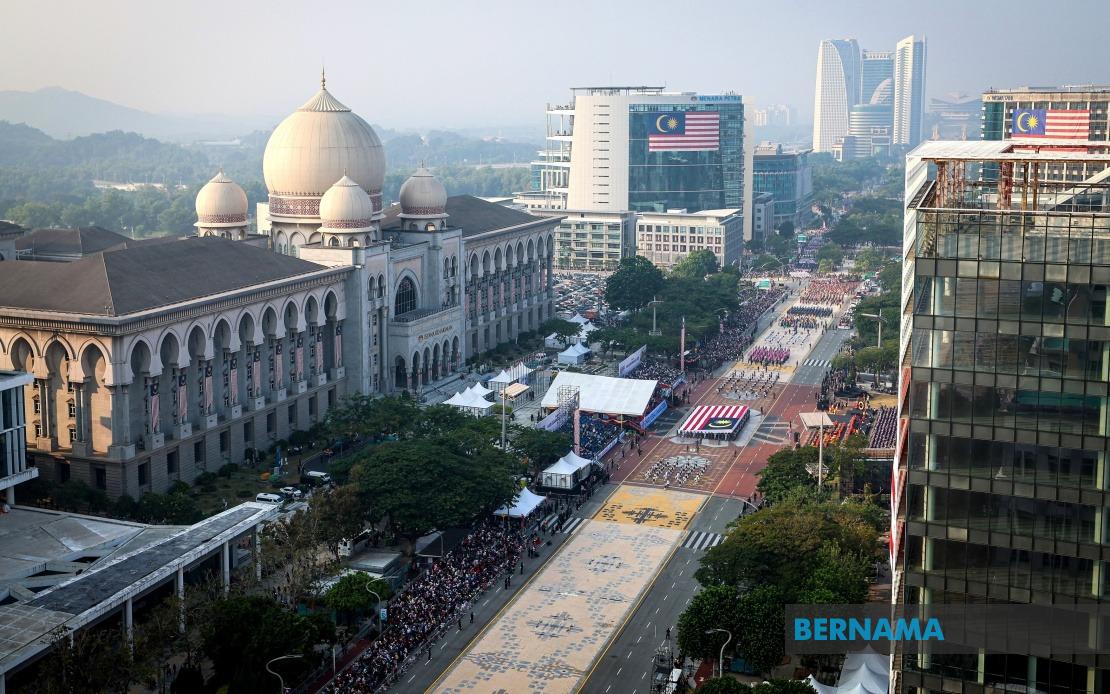
Malaysia's police force has mobilised a substantial contingent of over 2,300 officers and personnel to guarantee public safety and orderly proceedings at the nation's upcoming National Day festivities scheduled for August 31 at Dataran Putrajaya. The comprehensive security operation reflects official commitment to maintaining high standards during one of the country's most significant annual occasions, which this year carries the theme "Malaysia MADANI: Kesejahteraan Dinikmati".
Putrajaya district police chief ACP Aidi Sham Mohamed outlined the scope of the 2,354-strong deployment, which encompasses both fixed security checkpoints and mobile traffic management teams positioned throughout key zones around the venue. This layered approach ensures that the anticipated influx of more than 80,000 spectators can enter, move within, and exit the celebration grounds safely and without congestion. The scale of the operation underscores the logistical complexity of hosting a major national event in the capital's administrative hub.
The police leadership has issued specific guidance to prospective attendees, urging early arrival to facilitate smoother crowd flow and reduce pressure on security screening procedures. Such recommendations, while seemingly routine, carry practical weight given Malaysia's experience with large public gatherings and the lessons learned from previous celebrations. By spacing out arrivals, authorities can better manage bottlenecks and maintain security effectiveness without creating frustration among visitors.
ACP Aidi Sham emphasised compliance with established regulations as essential to the event's success, particularly regarding parking arrangements and traffic patterns around Dataran Putrajaya. Attendees parking in unauthorised zones or obstructing thoroughfares risk impeding emergency vehicle access and disrupting the carefully choreographed movement of large crowds. Such seemingly minor infractions, when multiplied across thousands of participants, can undermine the entire security framework and compromise public safety.
Personal security awareness forms another pillar of the pre-event messaging. The police have advised visitors to exercise heightened vigilance concerning their own safety and that of accompanying family members, particularly children. This encompasses sensible precautions such as keeping track of belongings in crowded environments and establishing meeting points with companions. In an era of evolving security concerns, such bottom-up vigilance complements official protective measures and creates a more resilient security environment.
A particularly firm warning issued by authorities concerns the absolute prohibition against bringing any weapons to the celebration, whether conventional implements or items that could be repurposed as instruments of harm. This directive reflects heightened global awareness of security risks associated with large public assemblies and represents a standard element of crowd management protocols at significant national events. The messaging, delivered directly by the district police chief, carries the weight of official authority and underscores the serious nature of this requirement.
Communications Minister Datuk Seri Fahmi Fadzil attended a full-scale rehearsal of the proceedings, indicating that preparations have progressed to advanced stages. Such ministerial participation signals governmental engagement with operational details and provides reassurance to both organisers and the public that civilian leadership is actively overseeing arrangements. The rehearsal format allows security personnel, event coordinators, and other stakeholders to identify and correct potential procedural issues before the actual celebration unfolds.
The 2026 National Day marks the 69th anniversary of Malaysia's independence, rendering it a numerically significant milestone worthy of heightened ceremonial attention. The designation of Dataran Putrajaya as the venue reflects the federal capital's role as the symbolic and administrative centre of national governance. Holding the celebration in this location carries both practical advantages, given infrastructure and accessibility, and symbolic resonance as the nation commemorates its founding principles and continued development.
The "Malaysia MADANI" theme for this year's celebration emphasises societal wellbeing and prosperity, positioning the festivities as vehicles for national reflection and shared pride. This thematic framing invites citizens to consider the nation's trajectory and mutual obligations toward collective advancement. Against this backdrop, the deployment of police personnel serves not merely as a security mechanism but as an enabling infrastructure that permits citizens to safely gather and participate in collective national expression.
The coordination required to manage a 2,354-person police operation across multiple precincts and functions demands sophisticated command structures and real-time communication systems. Designated officers must monitor crowd density, traffic flow, and emerging situations with flexibility to redeploy resources as circumstances evolve. This operational sophistication, often invisible to attendees, represents the outcome of years of institutional learning and refinement across similar events held throughout Malaysia and the region.
For Malaysian readers planning attendance, the official messaging represents practical intelligence about what to expect and how to prepare. Early arrival, compliance with regulations, personal awareness, and adherence to security restrictions constitute a straightforward social contract that, when honoured collectively, enables tens of thousands to gather safely. The police deployment ensures that celebration and security need not present a false choice; rather, adequate preparation permits the nation to commemorate its history and identity without compromising participant wellbeing.

