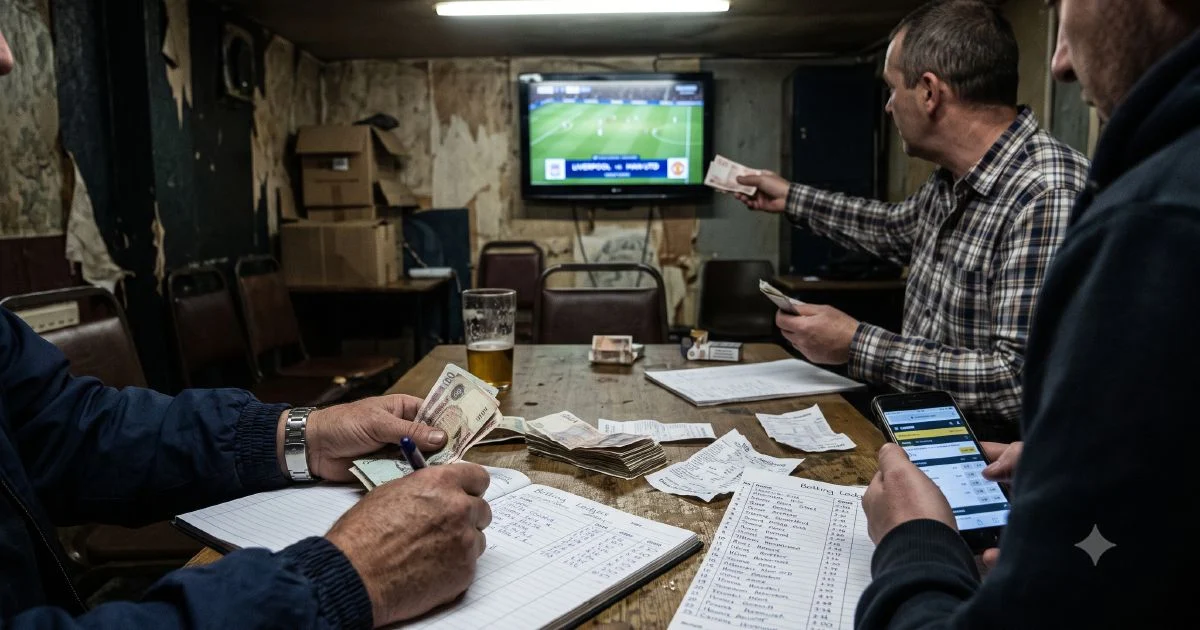
Malaysian law enforcement has delivered a significant blow to the underground gambling network by dismantling what authorities described as a coordinated betting operation spanning the nation. Operation Soga XI, mounted by police forces across the country, resulted in 331 arrests and the identification of betting transactions totalling over RM2.63 million. The initiative represents one of the largest enforcement actions against unlicensed gambling operations in recent years, targeting the specific surge in illicit wagering that accompanies major international sporting events such as the FIFA World Cup 2026.
The operation reflects growing concerns among Malaysian authorities about the expansion of underground betting syndicates that exploit the excitement surrounding major football tournaments. These illicit networks typically operate through encrypted messaging applications and websites hosted outside Malaysian jurisdiction, making them difficult to monitor and regulate. By focusing enforcement efforts ahead of the World Cup, authorities aim to disrupt operations before the tournament generates unprecedented volumes of illegal betting activity. Preliminary intelligence suggests that underground operators had already begun establishing infrastructure in anticipation of heightened demand among Malaysian bettors during the competition.
The scale of illegal transactions uncovered during Operation Soga XI underscores the substantial financial dimension of underground sports betting in Malaysia. At RM2.63 million, the identified transactions represent only a fraction of the total illegal wagering likely occurring through unregistered channels. Industry observers note that illegal betting operations typically maintain multiple layers of financial intermediaries and use hawala-style money movement systems that deliberately obscure transaction trails. The actual volume of money flowing through these channels during major sporting events could be several times higher than what authorities successfully trace, though precise figures remain elusive.
The 331 individuals arrested during the operation included both operators who managed betting platforms and punters who participated in illegal wagering. Police strategy in recent years has increasingly targeted not just the infrastructure of betting operations but also participants who feed demand. This two-pronged approach acknowledges that sustainability of underground gambling networks depends on continuous customer participation. Among those arrested were suspected runners and intermediaries who collected bets and distributed winnings at the grassroots level, individuals whose networks often extend into residential areas and informal business establishments across Malaysia.
Operation Soga XI demonstrates the resource-intensive nature of enforcing gambling regulations across a geographically dispersed nation. The nationwide coordination required to execute simultaneous raids and investigations involves multiple police units and extensive surveillance work. Success in identifying RM2.63 million in transactions suggests sophisticated financial tracking capabilities, likely involving cooperation from banking institutions and telecommunications providers. However, the parallel existence of such substantial underground activity indicates that enforcement capacity continues to lag behind the scale and complexity of illicit operations.
The timing of Operation Soga XI carries particular significance given Malaysia's sporting culture and the specific appeal of World Cup betting. Football remains deeply embedded in Malaysian popular consciousness, with World Cup competitions generating levels of social engagement rarely matched by other sporting events. This cultural enthusiasm translates directly into betting demand that legitimate channels struggle to accommodate, partly because licensed sports betting operations in Malaysia remain restricted in scope and availability compared to regional competitors. Underground operators exploit this gap by offering wider betting markets, more competitive odds, and greater accessibility through digital platforms.
World Cup betting represents a distinctive enforcement challenge because demand is concentrated into defined periods, typically generating operational spikes rather than sustained baseline activity. Unlike domestic football leagues where betting flows relatively consistently throughout seasons, international tournaments create temporary but intense demand peaks. During these windows, underground operators rapidly scale operations, recruit additional personnel, and establish new contact networks. Law enforcement must therefore coordinate enforcement activities strategically, targeting operations before they fully mobilise rather than attempting to manage them continuously throughout tournament periods.
The implications of illegal gambling extend beyond financial crime into broader public health and social dimensions. Academic research from regional studies identifies correlations between underground gambling participation and increased rates of problem gambling, loan sharking, and related social pathology. The unregulated nature of illicit betting operations means participants lack consumer protections available through licensed channels. Disputes over payouts frequently result in violence, and the leverage exercised by underground operators over debtors creates secondary criminal consequences affecting families and communities. By disrupting these operations, enforcement actions contribute to broader harm reduction objectives beyond simple regulatory compliance.
Malaysian authorities have increasingly recognised that addressing underground gambling requires engagement beyond enforcement alone. Regulatory frameworks that remain overly restrictive relative to demand effectively channel participants toward illicit alternatives rather than constraining overall participation. Several Southeast Asian jurisdictions have explored moderate liberalisation of sports betting regulations as a strategy for capturing some illegal wagering into licensed channels while maintaining public health guardrails. Whether Malaysia might pursue similar policy directions remains uncertain, but enforcement operations like Op Soga XI implicitly acknowledge the limitations of prohibition-based approaches when confronting deeply entrenched illegal markets.
The sustainability of enforcement success achieved by Operation Soga XI depends significantly on follow-up investigative work and prosecution outcomes. Arrests without substantial convictions typically generate only temporary disruption to betting networks, allowing operations to reconstitute once initial enforcement intensity subsides. Building prosecutable cases against network operators often requires complex financial investigations and testimony from cooperative participants. Additionally, cybercrime specialists must remain engaged in disrupting the digital infrastructure that enables these operations, targeting hosting providers and payment processors that service illegal gambling platforms. The investment required for these sustained efforts reflects the seriousness with which authorities now treat underground betting operations.
Looking toward the FIFA World Cup 2026, Operation Soga XI signals that Malaysian law enforcement intends to maintain substantial pressure against illicit gambling infrastructure. Subsequent enforcement waves will likely target specific syndicates identified through the initial operation, pursuing wire fraud charges and money laundering allegations that carry more substantial penalties than simple gambling charges. International cooperation may also intensify, particularly involving host countries and other Southeast Asian nations sharing borders with Malaysia, to prevent betting operators from relocating operations across jurisdictional boundaries. The consolidated intelligence gathered during Op Soga XI will inform targeting priorities for months ahead.

