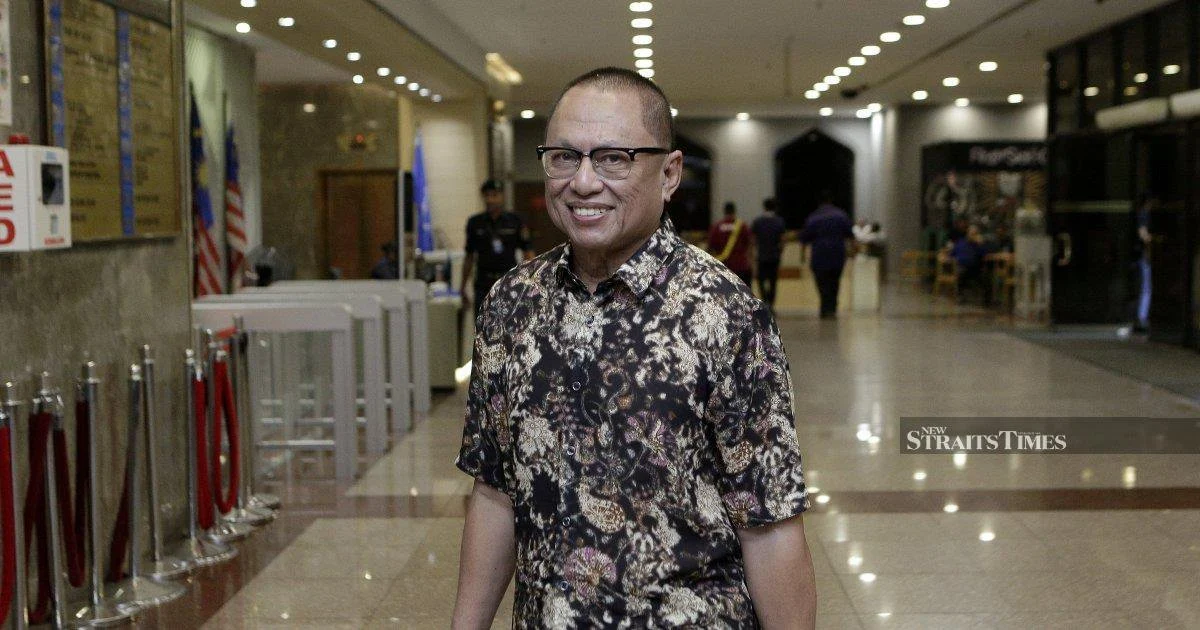
Law enforcement authorities have initiated a formal investigation into remarks attributed to former Umno stalwart Datuk Dr Mohd Puad Zarkashi on social media platforms, following a coordinated wave of police complaints lodged across the country. The scale of the complaint filing—153 reports submitted in a single day—underscores the intensity of public reaction to the controversial statements and reflects deepening divisions within Malaysia's political establishment.
The investigation represents a notable development in ongoing tensions within Umno, the party that has historically dominated Malaysian politics but has experienced considerable internal friction in recent years. Puad Zarkashi, whose name carries weight among party traditionalists, had attracted scrutiny for his communications on digital platforms, prompting the organized complaint campaign that ultimately led authorities to open the probe from their Johor Baru headquarters.
The nature and specific content of the statements referenced—associated with discussions around the "3R" framework—touches on sensitive political terrain. The 3R concept, typically encompassing themes relevant to Malaysia's constitutional and political discourse, has become a focal point in wider debates about the country's direction and the role of various institutions. Puad Zarkashi's articulation of these themes evidently resonated beyond party circles, triggering concern among multiple segments of the population sufficiently organized to lodge coordinated complaints.
The decision by police to formally investigate following the complaint surge reflects standard protocol in Malaysia's system of governance, where such threshold levels of public grievance typically necessitate official action. The process represents the formal machinery of state engagement with political speech, a mechanism that carries implications for debates about freedom of expression and the boundaries of permissible political discourse in the Malaysian context.
For Umno, the situation compounds existing challenges facing the party as it navigates its role in the current political coalition. Internal dissent and factional tensions have characterized the party in recent years, with senior figures articulating divergent visions for the organization's future direction and ideological positioning. Puad Zarkashi's statements appear to exemplify these underlying disagreements, with his remarks apparently striking nerves among those who perceive them as challenging established party narratives or constitutional arrangements.
The nationwide distribution of complaints—spanning multiple states and jurisdictions—suggests the issues raised possessed sufficient resonance to mobilize supporters across geographic boundaries. This pattern indicates that Malaysian political discourse continues to involve passionate engagement with fundamental questions about governance, institutional roles, and national identity, with citizens prepared to invoke formal complaint mechanisms when perceiving statements as transgressive.
The investigation's launch in Johor Baru, strategically positioned within Malaysia's southern region, establishes a jurisdictional anchor for what may become a complex inquiry involving multiple police contingents nationwide. The logistical and bureaucratic dimensions of processing 153 separate reports present operational challenges for investigators tasked with analyzing social media content and evaluating potential legal implications across various platforms and timestamps.
For observers monitoring Umno's trajectory and the broader health of Malaysian political institutions, the episode illustrates how digital communication has transformed the velocity and scale at which political controversies can escalate. Where previous generations of political disputes might have remained confined to party forums or parliamentary exchanges, social media enables rapid dissemination and mobilization at unprecedented speed, as this case demonstrates through its compressed timeline from initial statements to triple-figure complaint filing.
The investigation also reflects ongoing tensions regarding the interpretation and application of Malaysia's laws governing speech and expression, particularly in politically sensitive contexts. Different stakeholders maintain competing perspectives on what constitutes acceptable political commentary, inflammatory rhetoric, or statements that cross legal boundaries—disagreements that police investigations like this one inevitably must navigate.
For Malaysian political watchers, the situation underscores Umno's continuing importance to national politics despite challenges to its previously dominant position. That statements by one senior party figure could trigger such extensive formal action suggests the organization retains symbolic and institutional significance sufficient to mobilize different constituencies. The complaint campaign may also reflect competitive dynamics with rival political organizations seeking to constrain Umno's influence through legal mechanisms.
As the investigation proceeds, its trajectory and eventual conclusions will likely resonate beyond the immediate parties involved, potentially establishing precedents for how authorities handle similar political speech cases and influencing calculations by political figures regarding the boundaries of permissible public commentary. The incident demonstrates how Malaysia's political system continues adapting to digital-age challenges while grappling with historical questions about balancing free expression against public order and constitutional respect.

