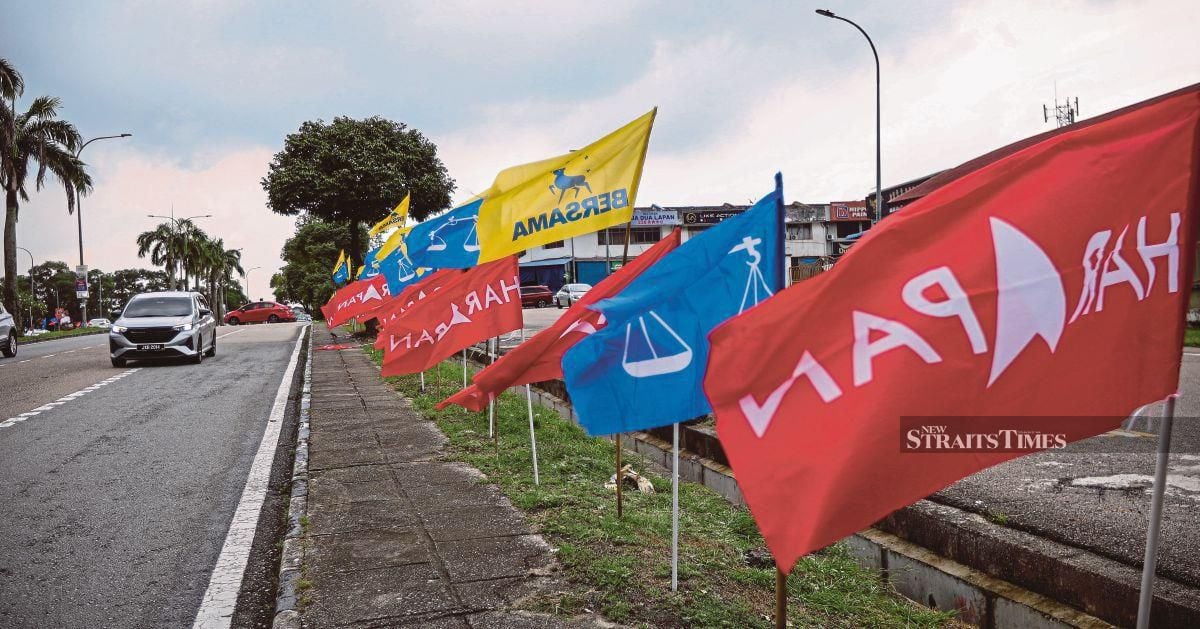
Election watchdogs in Johor have launched 18 formal investigations into breaches of electoral regulations following complaints lodged during the recently concluded 16th state assembly campaign. The police force received a total of 56 reports of suspected violations between July 27 and the election date, with authorities deciding that 18 cases warranted full investigation status, suggesting that not all complaints met the threshold for formal action or some were consolidated into single inquiries.
The scale of reported irregularities during this electoral cycle reflects the heightened scrutiny that accompanies state-level campaigns in Malaysia, where public attention and media coverage intensify monitoring of candidate and party conduct. The distinction between received reports and opened investigation papers indicates a filtering process where authorities assess the credibility and substantiation of allegations before committing investigative resources. This measured approach is standard in Malaysian law enforcement, where preliminary assessment determines whether complaints contain sufficient detail to warrant formal criminal inquiry.
Election offences in Malaysia cover a broad spectrum of regulatory violations, including breaches of spending limits, unauthorized campaign material, electoral fraud, undue influence, and misconduct during polling operations. The Johor situation, with its ratio of roughly one investigation opened for every three reports received, suggests either that many complaints lacked sufficient evidence or that officers found some allegations overlapping and consolidated them. Authorities do not typically disclose the nature of specific investigations during ongoing inquiries, protecting the integrity of investigative processes and respecting the presumption of innocence of those under examination.
The Johor state election carries particular significance within Malaysia's electoral landscape. As the nation's second-most populous state and an economically vital region, campaigns there tend to draw substantial resources from competing parties and candidates. The competitive nature of state politics in Johor, combined with the state's diverse demographic composition and historical voting patterns, often makes the contest more contentious than some other state elections. This context provides background for understanding why electoral violations might occur with measurable frequency during the campaign period.
For Malaysian voters and observers, the disclosure of investigation numbers offers transparency regarding law enforcement's response to electoral infractions. However, the actual nature of violations and their severity remain undisclosed at this preliminary stage. Some investigations may ultimately result in prosecution, while others may conclude with administrative action or dismissal if evidence does not support charges. The time required to complete these investigations typically extends beyond the election itself, with outcomes emerging over subsequent months as police and prosecutors evaluate evidence.
The election commission, as the primary regulatory body for electoral matters, works alongside police to enforce compliance with campaign regulations. During the active campaign period, both bodies monitor candidate announcements, spending declarations, and public conduct to identify potential violations. The flow of reports to police indicates that citizens, party agents, and observers actively participated in monitoring, suggesting a degree of public engagement with the electoral process even if formal violations were alleged.
From a regional perspective, Malaysia's continued documentation of electoral enforcement reflects institutional efforts to maintain standards within democratic processes. Neighbouring Southeast Asian democracies operate similarly, with dedicated electoral commissions and law enforcement branches investigating campaign-related offences. The Malaysian system, while imperfect, maintains structured procedures for receiving complaints and investigating allegations, representing an important institutional mechanism even as observers continue to debate the system's overall effectiveness and impartiality.
The 18 investigations opened will likely extend over several months, with police gathering evidence, interviewing witnesses and suspects, and compiling case files for prosecutorial review. Some cases may be strengthened by digital evidence, such as social media records or financial transaction documentation, while others may depend on eyewitness accounts. The complexity and documentation requirements of electoral cases often mean that conclusions are not reached quickly, and outcomes typically remain confidential until prosecutors make decisions about whether to proceed with charges.
For stakeholders in Johor and beyond, these enforcement activities underscore that electoral regulations carry legal consequences. Candidates and campaign teams operate within a framework of rules designed to ensure fair competition and prevent manipulation. While 18 investigations represent a manageable caseload for police resources, the underlying message—that campaign violations can trigger formal inquiry—serves as a deterrent for potential future breaches in subsequent electoral contests.
The disclosure of investigation numbers also invites reflection on the adequacy of existing electoral regulations and their enforcement. Critics argue that some provisions lack clarity or that enforcement is inconsistent, while officials maintain that current frameworks provide necessary guardrails. As Malaysia continues to hold regular elections at federal, state, and local levels, data on reported violations and investigations contributes to ongoing debates about electoral integrity and the effectiveness of institutional mechanisms designed to protect democratic processes.

