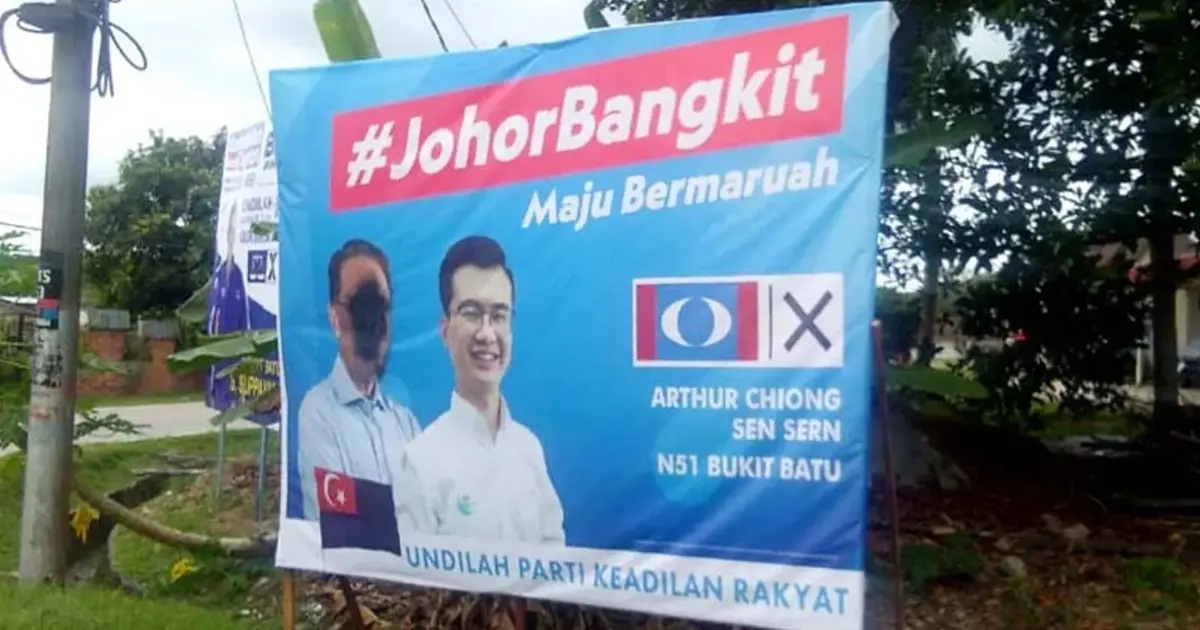
Inspector-General of Police Khalid Ismail revealed that the Royal Malaysia Police have received 90 reports throughout the campaign period, with authorities opening 25 investigation papers to examine the complaints further. The disclosure provides insight into law enforcement's workload during the politically sensitive electoral season, a period typically marked by heightened police engagement with the public.
According to Khalid Ismail's statement, the nature of these reports centres predominantly on minor offences rather than matters directly concerning political parties or their candidates. This characterisation suggests that the majority of complaints do not stem from partisan disputes or election-related misconduct, but instead reflect general public order concerns. The distinction carries significance for understanding the security landscape during campaigns, as it indicates that law enforcement's primary focus remained on maintaining basic civic standards rather than managing inter-party tensions.
The specific types of incidents captured in the reports included vandalism and other lower-level infractions. Vandalism complaints during election periods often relate to damage to public property, campaign signage defacement, or similar acts of property damage. By categorising these as separate from party or candidate involvement, the IGP's framing suggests that such incidents were largely treated as isolated acts of public mischief rather than coordinated political sabotage or campaign-related aggression.
The decision to open 25 investigation papers represents approximately 28 percent of the total complaints received. This selectivity in proceeding to formal investigation indicates that police applied some filtering mechanism in determining which cases warranted deeper examination. The remaining 65 reports may have been resolved through informal resolution, warnings, or closure based on preliminary assessment, reflecting standard police procedure for handling lower-priority matters during resource-intensive operational periods.
For Malaysia's political environment, such disclosures about campaign-period law enforcement activity carry weight in assessing the overall conduct of elections. Transparency regarding police engagement during elections serves multiple constituencies: it provides assurance to political actors that security forces remain neutral arbiters rather than partisan instruments, demonstrates to the electorate that order is being maintained, and documents the baseline of public disorder for comparative analysis across electoral cycles.
The relatively modest figure of 90 complaints may reflect either a genuinely peaceful campaign environment or the effectiveness of preventive policing measures already in place. Malaysia has developed institutional mechanisms for managing electoral campaigns, including pre-campaign coordination meetings between police and political parties, clear guidelines on permitted campaign activities, and established protocols for addressing complaints. These structures, refined through multiple electoral cycles, likely contributed to maintaining order during the recent campaign.
The timing of the IGP's disclosure is notable, as it typically follows the conclusion of campaign activities and voting. By releasing aggregate statistics rather than specific case details at this stage, the police maintained operational discretion regarding ongoing investigations while providing the public with high-level accountability information. This approach balances transparency with the need to preserve investigative integrity and avoid prejudicing cases still under examination.
For Malaysian voters and political observers, the characterisation of reported incidents as minor and unrelated to partisan activity offers reassurance about electoral integrity. Election-related violence, intimidation, or systematic interference would normally manifest as higher volumes of reports involving parties or candidates directly. The absence of such patterns in this data suggests that the campaign environment, at least from a law enforcement perspective, remained relatively stable and subject to normal policing rather than extraordinary measures.
The broader Southeast Asian context adds dimension to Malaysia's experience. The region has seen elections marked by considerable disorder, intimidation, and security challenges in various countries. Malaysia's comparatively orderly campaign period, reflected in modest complaint numbers, reflects institutional maturity in election management and a political culture that, despite competitive contests, generally operates within established legal frameworks.
Moving forward, the data from this campaign period will serve as baseline information for assessing future elections. Police and election authorities typically analyse such statistics to identify patterns, evaluate the effectiveness of particular strategies, and adjust protocols accordingly. If subsequent campaigns show significant increases or changes in the character of complaints, such shifts would merit investigation and response adjustments.
The 25 cases under investigation will likely conclude through various outcomes: some may result in charges being filed, others in cautionary warnings, and some in closure without further action. The disposition of these cases will become part of the broader record of electoral law enforcement, contributing to understanding how Malaysia manages the intersection of democratic expression, public order, and legal accountability during politically charged periods.

