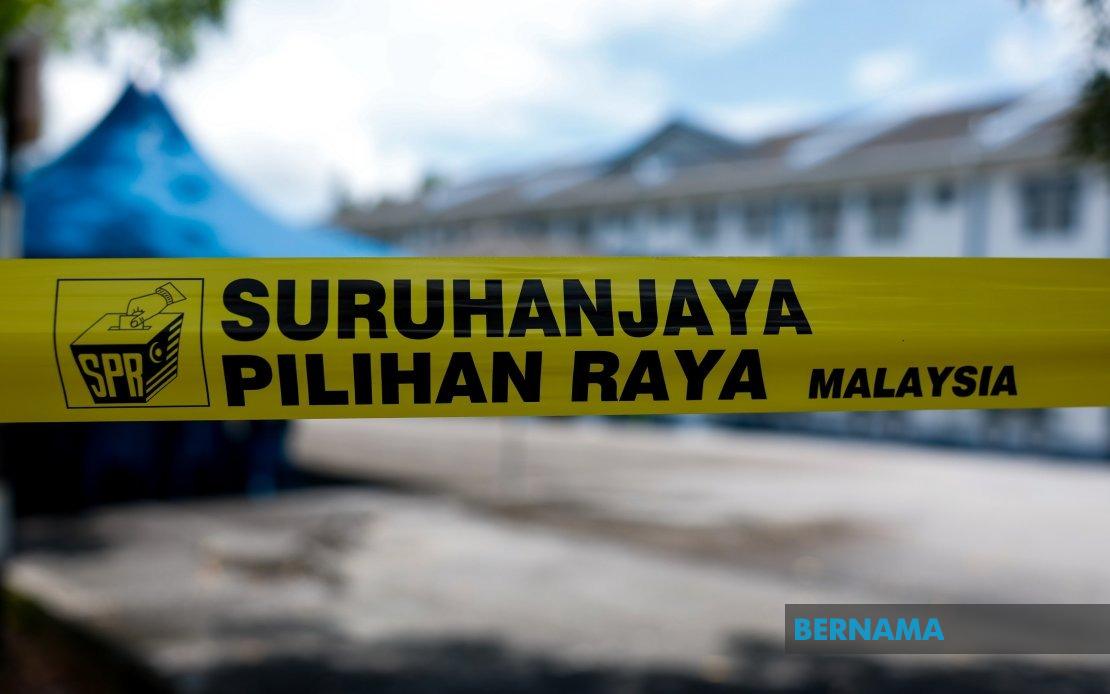
The Negeri Sembilan police force has launched investigations into seven separate election-related offences as the campaign for the 16th state election enters its critical phase. According to Negeri Sembilan Police Chief Datuk Alzafny Ahmad, the investigations span various breaches of electoral conduct during the ongoing polling season. Two of these cases were particularly notable, involving charges under Section 427 of the Penal Code for acts of mischief that resulted in property damage or loss, reflecting growing concerns about the physical integrity of campaign materials and infrastructure during the election period.
The escalation in complaints appears evident when examining the broader reporting pattern. Between July 18 and July 22, the Negeri Sembilan contingent of the Royal Malaysia Police received a cumulative total of 12 police reports connected to election offences. This rate of approximately two to three reports per day during the specified period demonstrates the intensity of activity during the campaign window and underscores the heightened monitoring required to maintain electoral integrity. The police leadership has indicated that these figures will likely continue to evolve as the election day approaches, suggesting that the force remains vigilant in documenting violations across all contested constituencies.
Beyond enforcement against violations, police operations have also expanded into the approval and oversight of legitimate campaign activities. In a single day leading up to the statement, the police force processed and authorised 53 separate permit applications for political ceramahs and campaign events. This brings the cumulative total of approved permits to 226 since the campaign commenced. The volume of such applications reflects the intensity of grassroots political mobilisation across the state, with numerous parties and candidates organising public gatherings to reach voters in the weeks preceding the election.
The police's role in this election cycle extends beyond reactive enforcement to encompass proactive oversight of all campaign activities. Datuk Alzafny Ahmad emphasised that the Royal Malaysia Police are systematically monitoring all registered political programmes and activities to verify compliance with electoral laws and regulations. This surveillance mechanism is designed to ensure that campaign conduct does not breach statutory requirements and does not create public safety hazards or threaten social order. The approach reflects a broader commitment to balancing the right of political parties to campaign freely with the need to maintain public tranquillity during what can be a contentious period in the electoral calendar.
The police chief's statement underscores the force's commitment to escalating enforcement measures throughout the campaign period. He warned that stern action would be imposed against any individuals or organisations found to have breached election laws, signalling that the police intend to move beyond passive monitoring to active prosecution of violations. This stance is particularly important in Malaysian elections, where local contests can sometimes witness spirited competition that occasionally spills into inappropriate conduct. The firm messaging appears designed to establish clear boundaries regarding acceptable campaign behaviour and to deter potential offenders from crossing legal thresholds.
Public cooperation has been emphasised as a critical component of the election administration strategy. The police have appealed to residents and voters to maintain compliance with the law throughout the campaign and polling periods. This request acknowledges the reality that electoral peace depends not solely on police enforcement but on the collective commitment of political contestants and the general public to respect democratic processes and institutional frameworks. By framing electoral conduct as a shared responsibility, authorities are attempting to foster a culture of lawfulness that transcends formal policing mechanisms.
The election timeline itself provides important context for understanding the intensity of current police activity. The Election Commission has designated July 28 for early voting, allowing certain categories of voters to participate in advance of the main polling day. The actual election day is scheduled for August 1, meaning the campaign period is compressed into a relatively short window. This condensed timeframe may explain the concentration of both campaign activities and reported violations, as political parties must maximise their ground presence within limited time constraints. The clustering of permits approved and violations reported suggests that all competing factions are mobilising resources simultaneously.
For Malaysian observers and the broader Southeast Asian region, the Negeri Sembilan election serves as a test case for electoral management and democratic practices at the state level. As Malaysia continues to refine its democratic institutions and electoral processes, the ability of state police forces to manage campaign conduct without impeding legitimate political expression remains crucial. The Negeri Sembilan police's approach—combining approval for lawful activities with investigation of violations—illustrates the balancing act required in administering elections within a multi-party system. The transparency with which authorities are reporting on violations and permits also reflects an increasing emphasis on accountability in electoral administration.
The broader implications for Malaysian politics extend to questions about the maturity of electoral culture. The recording of 12 reports and the opening of seven investigation papers within a five-day period may be viewed either as evidence of effective police monitoring or as a concern regarding the prevalence of election-related misconduct. Different political stakeholders may interpret these figures according to their perspectives on electoral compliance and police impartiality. What is clear, however, is that the authorities are treating this state election with the seriousness it merits, deploying resources to monitor compliance and pursuing investigations where breaches are alleged. The coming days until August 1 will likely determine whether these early enforcement efforts succeed in maintaining electoral peace or whether additional violations emerge as political competition intensifies.

