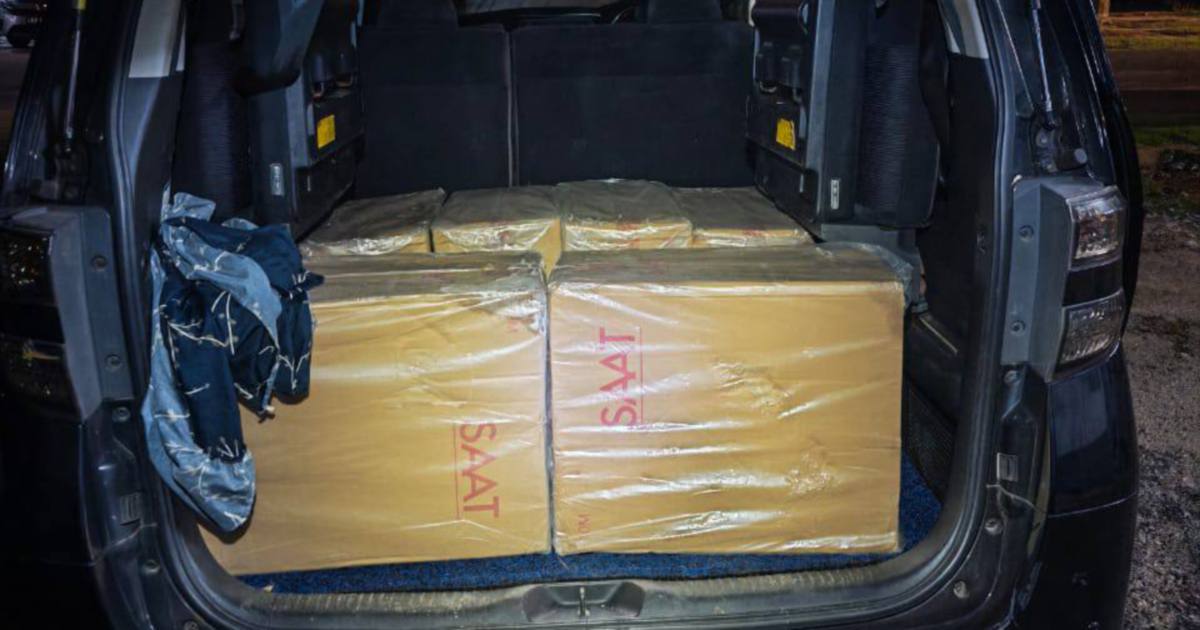
An early morning enforcement operation in Kota Baru has resulted in the seizure of a substantial cache of illicit cigarettes and the arrest of a vehicle driver suspected of involvement in cigarette trafficking. The General Operations Force intercepted a Toyota Vellfire at the roadside near Pasir Tumboh Bridge and discovered 60,000 cigarettes that authorities believe had not been subject to the required duties and taxes. The contraband, estimated to have a market value of RM112,200, has been secured as evidence in what appears to be an ongoing crackdown on the illicit tobacco trade in the northeastern corridor of Peninsular Malaysia.
The 37-year-old driver, whose identity has not been publicly disclosed, was detained at the scene and has been taken into custody for further questioning and investigation. Preliminary reports indicate that the operation targeted suspicious vehicular movement patterns early in the morning hours, a typical timeframe favoured by smuggling networks seeking to avoid detection during peak traffic periods. The Pasir Tumboh Bridge, a critical transport artery connecting communities in Kelantan, has long been identified as a strategic interception point for enforcement agencies combating the illicit cigarette trade in the region.
The seizure reflects an intensified focus by Malaysian authorities on combating duty-unpaid tobacco products, which have become increasingly prevalent across Southeast Asia. The illicit cigarette market represents a significant revenue loss to national governments and creates unfair competition for legitimate tobacco retailers who comply with excise duties and regulatory requirements. By operating outside the formal tax system, smugglers and unlicensed distributors undercut legal market prices dramatically, distorting consumer behaviour and eroding the financial foundations of legitimate commerce.
Kelantan has emerged as a focal point for such enforcement activities, given its geographic proximity to routes that facilitate cross-border trafficking. The state's position along established smuggling corridors makes it a natural transit hub for contraband moving through the region. The General Operations Force, which specialises in border security and customs-related enforcement, has deployed increased patrols along key highways and bridge crossings to intercept shipments before they reach distribution networks across the peninsula.
The value assigned to the seized cigarettes suggests a commercially significant operation rather than personal consumption. At RM112,200 for 60,000 units, the per-unit value reflects current market pricing for branded cigarettes subject to Malaysia's substantial excise tax regime. This calculation indicates the operation targeted wholesale-level trafficking rather than individual retail smuggling, a distinction that may influence the severity of charges pursued against the detainee.
The incident underscores the persistent challenge Malaysian law enforcement faces in stemming the flow of contraband tobacco products. Despite regular seizures and enforcement actions, the illicit cigarette trade continues to flourish due to substantial price differentials between duty-paid and smuggled products. Cigarettes in Malaysia carry among the highest excise duties in Asia, creating powerful economic incentives for trafficking networks to maintain supply chains that bypass official distribution channels.
From a revenue perspective, each seizure represents lost excise tax that would otherwise flow into government coffers designated for healthcare, education, and public services. The cumulative impact of illicit tobacco trafficking creates a substantial fiscal burden, as does the administrative cost of enforcement operations themselves. Authorities estimate that duty-unpaid cigarettes command significant market share in certain regions, effectively competing for consumer spending that the government had anticipated collecting through taxation.
The investigation proceeding from this arrest will likely examine the driver's role within a broader distribution network. Enforcement agencies typically seek to establish supply origins, intended destinations, and intermediaries involved in such operations. Understanding the criminal architecture behind individual seizures enables authorities to disrupt larger trafficking organisations rather than merely addressing symptoms of the problem through case-by-case interdiction.
For consumers, the prevalence of illicit cigarettes poses distinct challenges. Smuggled products often lack proper quality controls, health warnings, and regulatory compliance mechanisms that legitimate manufacturers must follow. The proliferation of counterfeit packaging and mislabelled products further complicates efforts to ensure consumer safety and informed decision-making regarding tobacco consumption.
The General Operations Force has indicated commitment to maintaining heightened enforcement activities along key transportation corridors. Additional checkpoints and surveillance operations are anticipated in coming weeks as authorities work to dismantle trafficking networks operating in the region. Collaboration between federal enforcement agencies, state authorities, and customs officials has intensified to create a more cohesive response to the illicit tobacco trade challenge.
Moving forward, this seizure exemplifies the type of operational success that enforcement agencies seek to replicate across Malaysia's extensive transportation network. The arrest and subsequent investigation may yield intelligence valuable to broader anti-smuggling efforts, potentially unravelling connections to larger trafficking syndicates. As organised criminal networks continue adapting their methods to evade detection, law enforcement agencies correspondingly refine their interception techniques and intelligence-gathering capabilities to stay ahead of emerging threats.

