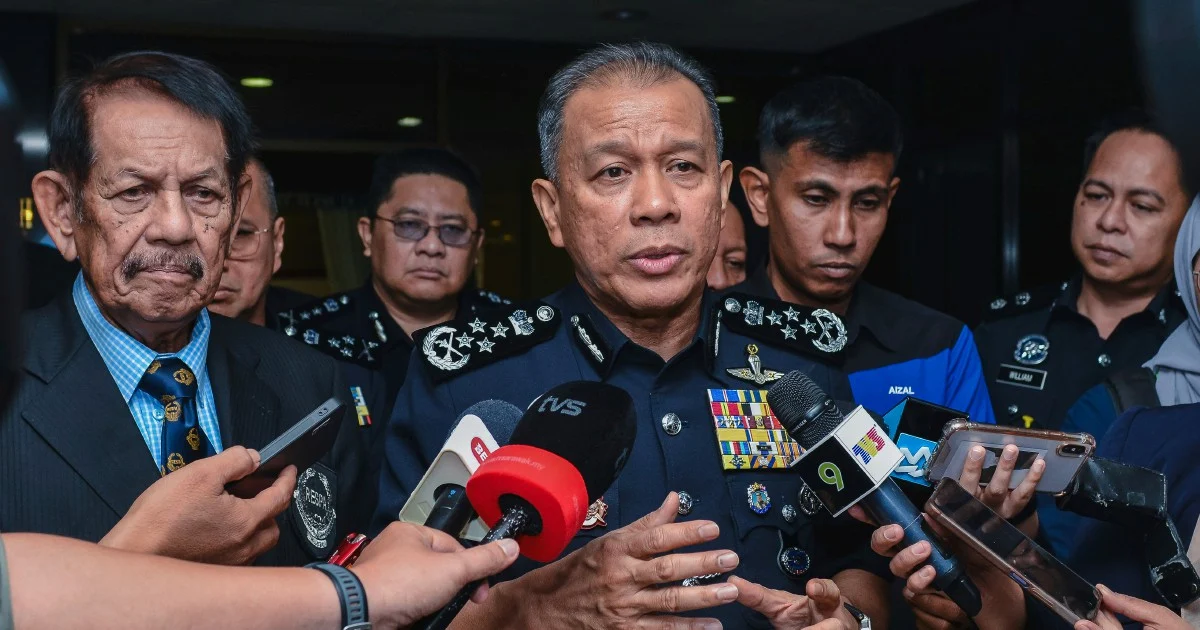
The Royal Malaysia Police has commenced disciplinary proceedings against one of its members following the emergence of online content that captured the individual allegedly engaging in disrespectful behaviour towards local residents during a trip to China. The Inspector-General of Police announced the investigation in response to the video that gained widespread circulation across social media platforms, drawing considerable public attention and criticism toward the force.
The incident highlights an increasingly common phenomenon in which the actions of individual officers can rapidly generate national and international scrutiny through viral online content. For Malaysian police personnel posted or travelling abroad, such incidents raise questions about conduct standards and the expectations placed on law enforcement representatives when operating outside their home jurisdiction. The investigation signals that the force intends to take such matters seriously, particularly when public perception and institutional reputation are at stake.
While specific details about the nature of the alleged insults remain limited at this stage, the decision to launch formal disciplinary proceedings suggests that preliminary assessments determined sufficient grounds existed to warrant formal examination. The police establishment in Malaysia has faced ongoing pressure from civil society and international bodies regarding officer conduct, making this investigation a test case for how the force handles internal accountability when incidents achieve high visibility.
The geographical context of the allegation—occurring in China rather than within Malaysian territory—adds complexity to the enforcement dimension. Officers travelling abroad remain subject to Malaysian disciplinary codes of conduct, and how the police interpret and apply these standards across borders may establish important precedents. Southeast Asian policing standards and regional norms around officer conduct in foreign jurisdictions could be influenced by how Malaysian authorities handle similar cases going forward.
The viral nature of the incident underscores how digital connectivity has fundamentally altered institutional accountability mechanisms. What might have remained a localized or unreported matter a decade ago now becomes an immediate focus of public scrutiny and media analysis. For Malaysia's police force, this reality demands enhanced attention to officer education regarding professional conduct expectations, particularly among those engaging with international communities or working in cross-border contexts.
The investigation will likely examine multiple dimensions of the officer's behaviour and communications during the China visit. This includes establishing a factual record of what was stated or done, assessing whether conduct violated departmental standards or codes of ethics, and determining appropriate disciplinary measures if violations are substantiated. The thoroughness with which the force pursues this inquiry may influence public confidence in the institution's commitment to accountability.
From a broader governance perspective, this case reflects tensions between individual officer accountability and institutional reputation management. The police force must balance legitimate internal investigation processes with public demand for transparency and timely resolution. Malaysian readers, already sensitized to questions of police professionalism following various high-profile incidents in recent years, will likely monitor how quickly and fairly the force concludes its examination.
The case also raises important questions about police preparation and training for international engagement. Whether officers receive adequate briefing about cultural sensitivity, appropriate professional conduct in foreign settings, and the implications of public-facing comments in an age of instant communication remains unclear. Such training gaps, if they exist, could represent systemic issues worthy of institutional attention beyond this singular incident.
Regionally, neighbouring countries and international observers frequently examine Malaysian police standards and conduct as indicators of broader rule-of-law health. This disciplinary investigation will be watched as evidence of whether the force can credibly investigate and hold its own members accountable or whether such proceedings become performative exercises that ultimately protect errant officers. The credibility of the outcomes will have implications for Malaysia's international standing on governance and policing matters.
The Inspector-General's public announcement of the investigation itself represents a response to public pressure generated by the viral content. This demonstrates how social media can force institutional hand-forced response to matters that might previously have been handled quietly or not at all. For Malaysian police management, this phenomenon presents both challenges in maintaining discipline and opportunities to demonstrate responsiveness to public concerns and institutional improvement.
As the investigation progresses, the force will need to communicate developments clearly while respecting due process protections afforded to the officer under investigation. Balancing transparency with fairness, and accountability with proportionality, will test institutional maturity. The outcomes—whether culminating in disciplinary action, exoneration, or findings of partial responsibility—will signal what Malaysia's police force expects of its members when representing the nation internationally and how seriously it treats professional standards enforcement.