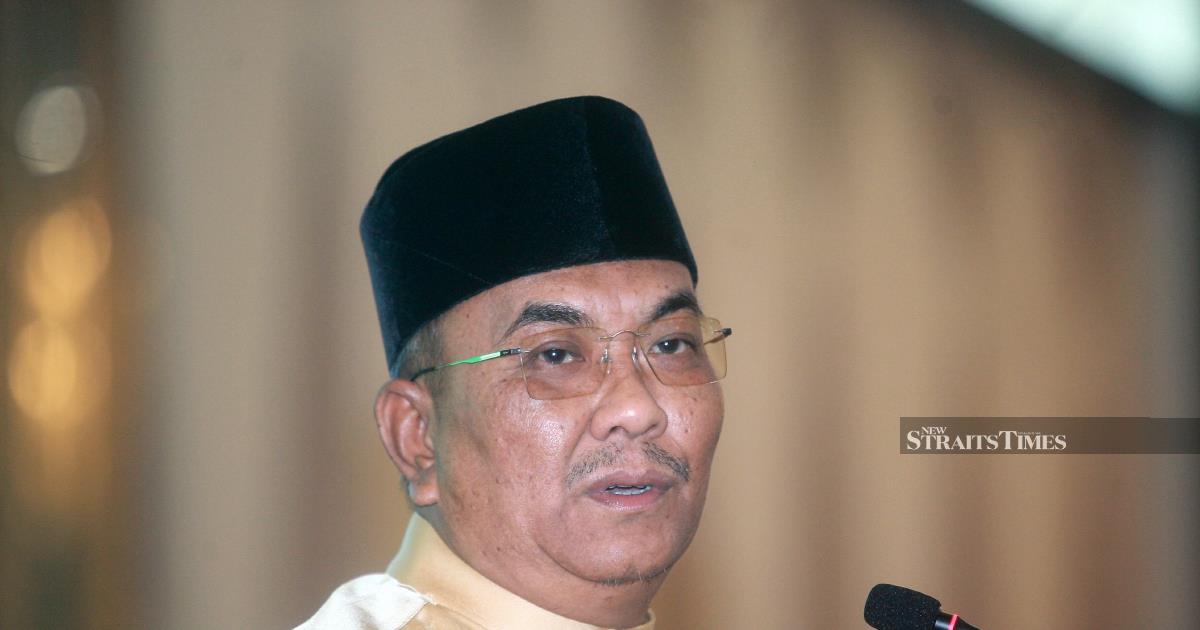
Police authorities have announced they will call in Kedah Menteri Besar Datuk Seri Muhammad Sanusi Md Nor and a senior Umno figure from Rembau for questioning regarding remarks they delivered while campaigning during the recent Negri Sembilan state election. The move signals heightened scrutiny over political speech during the electoral period in the state, reflecting ongoing tensions around acceptable campaign conduct.
The decision to summon both individuals underscores the police's commitment to investigating potentially problematic statements made on the campaign trail. Election commission guidelines and federal communications laws set clear boundaries around campaign speech, and authorities have indicated they take violations seriously. The cases involving Sanusi and the Rembau Umno leader will form part of a broader pattern of post-election reviews typically conducted after hotly contested state polls.
As Kedah's chief executive, Sanusi carries significant political weight within his party and at the federal level. His involvement in campaigning outside his home state reflects the common practice whereby senior politicians cross state lines to bolster their coalition's chances during crucial electoral contests. However, this practice increasingly draws scrutiny when remarks made in other states are deemed problematic or potentially violate campaign guidelines.
The Negri Sembilan election has been a closely watched contest with national implications. Umno and its coalition partners have invested considerable resources into the campaign, viewing the state as strategically important. The presence of prominent figures like Sanusi on the campaign circuit highlights how seriously the ruling coalition has taken the stakes involved. His summoning now demonstrates that visibility during campaigns can also carry investigative consequences.
The identity and specific role of the Rembau Umno leader involved in the separate incident remains less publicly prominent, but the parallel action suggests both cases warranted police attention through similar investigative channels. Rembau, a constituency within Negri Sembilan, would have naturally drawn local and visiting politicians campaigning intensively in the runup to election day. The fact that remarks made there triggered police interest indicates concern about the nature or content of what was stated.
Campaign speech investigations have become more common in recent Malaysian electoral cycles as various stakeholders push for cleaner, more regulated campaign environments. Election Commission officials and law enforcement have stated repeatedly that while political parties enjoy substantial freedom in expressing their platforms, certain categories of speech remain prohibited. These typically include direct incitement to violence, inflammatory statements targeting specific religious or ethnic groups, and deliberate spread of false information designed to mislead voters.
From a Southeast Asian perspective, Malaysia's approach to policing campaign speech sits at the intersection of democratic freedoms and regulatory oversight. Neighbouring countries employ varying standards, from more permissive environments in places like Thailand's recent elections to stricter frameworks elsewhere. Malaysia's approach reflects an evolving consensus that while political competition should remain vigorous, it must operate within defined legal parameters designed to protect social cohesion.
For Malaysian voters and political observers, these developments carry implications for how future campaigns may unfold. Politicians will likely become more cautious about rhetoric deployed during campaign events, aware that statements may subsequently attract official investigation. This could lead to more measured campaign discourse, or conversely, to strategic calculations about acceptable risk levels when pursuing political advantage during tight electoral contests.
The Negri Sembilan election results have already been determined, making these post-election investigations partly about accountability and partly about setting precedents for future conduct. Police will need to establish whether the remarks in question crossed legal thresholds or represented permissible if aggressive political speech. The outcome of these investigations will send signals to other politicians about boundaries for acceptable campaign communication.
Umno and its coalition have held Negri Sembilan as a stronghold, though recent electoral trends have created competitive pressures in several constituencies. The intensity of campaigning during this election reflected broader struggles within Malaysian politics between the ruling coalition and opposition forces seeking to expand their foothold in state governments. Against this backdrop, police investigations into campaign statements represent an official reality that political expression during elections operates within defined legal constraints.
The broader question these investigations raise concerns the balance between enabling robust political competition and preventing potentially harmful speech during campaigns. Malaysian authorities have indicated their intent to maintain standards of conduct while allowing genuine political debate to flourish. How police handle the cases involving Sanusi and the Rembau Umno leader will help define how this balance operates in practice during future electoral contests across the country.

