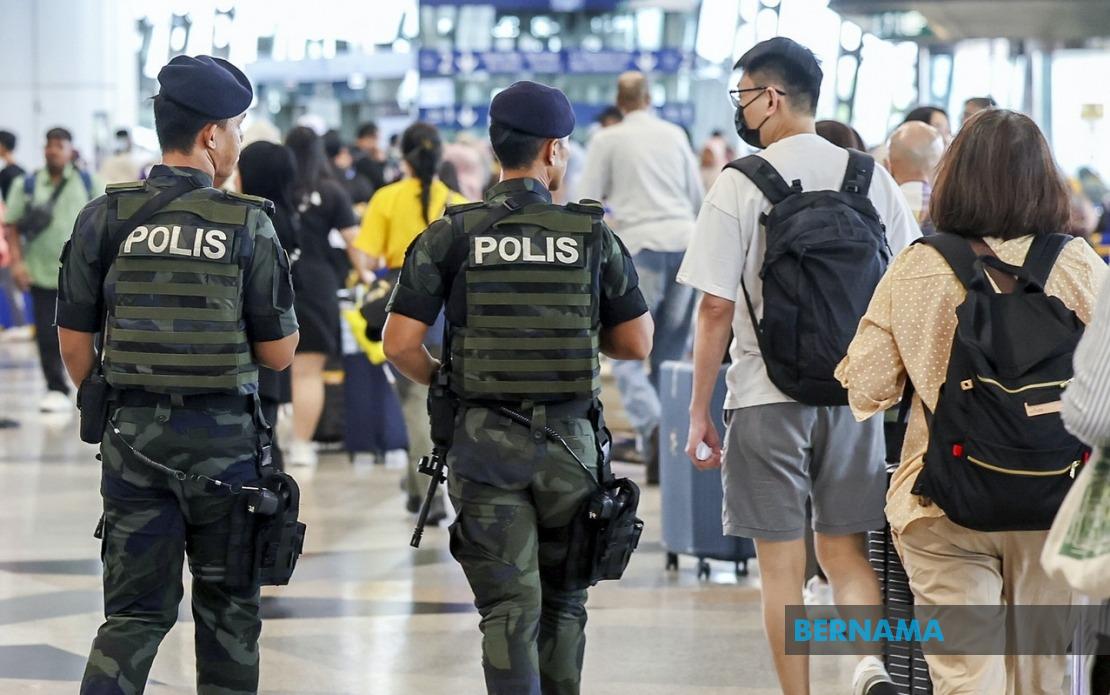
Malaysia's government has moved swiftly to bolster airport security infrastructure in response to a significant incident involving a Malaysian pilot arrested in Indonesia. Communications Minister Datuk Seri Fahmi Fadzil announced at a weekly press conference in Putrajaya that the Cabinet has approved the deployment of Royal Malaysia Police (PDRM) officers to the Aviation Security (AVSEC) units across the country's airports. This represents a substantial shift in how Malaysia manages its aviation security personnel, marking one of several urgent interventions triggered by the case currently under investigation by Indonesian authorities.
The pilot in question, a 39-year-old Malaysian, was detained at Soekarno-Hatta International Airport's Terminal 3 on suspicion of attempting to transport a substantial quantity of narcotics. Indonesian National Police (POLRI) officers conducting inspections discovered 15 packages containing a total of 70,114 capsules of ecstasy and methamphetamine, with an estimated street value reaching RM45 million according to Indonesian market assessments. The scale and nature of the alleged smuggling operation have prompted Malaysian authorities to examine their existing protocols and identify potential vulnerabilities within the country's aviation sector security apparatus.
Currently, AVSEC operations at Malaysian airports rely primarily on auxiliary police personnel, a staffing model that the Home Ministry and Transport Ministry have now deemed inadequate given recent events. By transitioning these critical positions to fully-fledged PDRM officers, the government aims to enhance the professional capacity and investigative authority available at airport checkpoints. This structural change reflects a recognition that aviation security demands personnel with comprehensive law enforcement training and the authority to conduct thorough investigations into suspicious activities, particularly given Malaysia's position as a regional aviation hub with significant international passenger and cargo traffic.
Beyond the immediate redeployment initiative, the Cabinet has instructed Malaysia Aviation Group (MAG) to undertake a comprehensive review of its background screening and health assessment procedures for pilots and co-pilots. This directive acknowledges that internal airline protocols play a crucial role in preventing individuals engaged in illicit activities from accessing sensitive positions. The review will examine whether current vetting mechanisms adequately identify concerning patterns or warning signs that might have been missed in previous assessments. Given that pilots occupy positions of considerable trust and responsibility, strengthening these procedural safeguards represents a logical and necessary complement to enhanced airport security measures.
The Malaysian Border Control and Protection Agency (AKPS) and the PDRM have been tasked with conducting a thorough security audit to identify any systemic weaknesses or exploitable gaps within existing frameworks. This examination extends beyond airport terminals to encompass broader border control and protection mechanisms that could potentially be leveraged by individuals intent on smuggling operations. The agencies have been directed to move expeditiously in completing this assessment and implementing corrective measures, signalling the government's determination to address vulnerabilities before they can be exploited further.
Regarding the possibility of establishing a dedicated investigative task force specifically focused on this incident, Fahmi indicated that authorities remain cautious about committing to such measures prematurely. The government has received only preliminary oral briefings from relevant ministers thus far, with detailed documentation still pending as the Indonesian investigation continues. Malaysian officials recognise that the case remains active in Indonesian jurisdiction and that premature public commitment to specific investigative approaches could compromise ongoing international cooperation or interfere with Indonesian law enforcement efforts.
Fahmi emphasised that Malaysian authorities must examine the complete investigative record before determining the appropriate response, including identifying any additional individuals who may have been involved in the alleged smuggling arrangement. Comprehensive accountability requires understanding the full scope of any conspiracy, including whether accomplices operated within Malaysia's aviation sector or assisted with logistics and coordination. The minister's measured approach reflects recognition that hastily launched inquiries without complete information could prove counterproductive or overlook critical details.
The incident carries significant implications for Malaysia's regional standing and tourism reputation. As a country hosting major international airports and maintaining substantial aviation connectivity throughout Southeast Asia, security vulnerabilities in this sector could affect investor confidence and passenger safety perceptions. The government's rapid and visible response demonstrates commitment to maintaining rigorous security standards comparable to international best practices, an essential consideration for a nation competing for regional air traffic and international business connections.
For Malaysian aviation professionals, the case and subsequent security reviews underscore heightened scrutiny of personnel conduct and background credentials. Airlines and airport authorities will likely implement more rigorous monitoring protocols, and employees should anticipate more thorough initial vetting and periodic reassessment procedures. The incident serves as a stark reminder of the serious consequences individuals face when attempting to exploit their professional positions for criminal purposes, with sentences in Indonesian jurisdictions often substantially exceeding those in Malaysian courts.
The Cabinet's comprehensive approach demonstrates a multi-layered strategy to address security vulnerabilities revealed by this incident. By combining immediate personnel redeployment, procedural reviews within aviation companies, border agency assessments, and planned investigative follow-up, authorities are attempting to close potential gaps simultaneously rather than addressing them sequentially. This coordinated response indicates recognition that airport security depends on interconnected systems and that strengthening one component while neglecting others would prove insufficient.
The timing of these announcements also reflects broader regional concerns about transnational drug smuggling networks increasingly targeting Southeast Asian airports and aviation personnel. Criminal organisations have demonstrated sophistication in recruiting individuals with airport access or travel privileges, making continuous vigilance essential. Malaysia's proactive stance in this situation may encourage neighbouring countries to examine their own security measures and share intelligence regarding suspected trafficking attempts.
Looking forward, the success of these measures will depend on consistent implementation and adequate resourcing of newly assigned PDRM personnel in AVSEC units. Training protocols must ensure that regular police officers transitioning into aviation security roles receive specialised instruction in airport-specific threats and security procedures. Additionally, information sharing between Malaysian authorities and Indonesian counterparts regarding the ongoing investigation could yield valuable intelligence for preventing future incidents.
The government's commitment to obtaining comprehensive investigative findings before determining follow-up actions suggests that further announcements regarding task forces or enhanced protocols may emerge as the Indonesian investigation concludes. Malaysian authorities appear determined to extract maximum lessons from this incident, implementing systemic reforms that address not only the specific vulnerabilities exploited in this case but also broader security gaps that sophisticated smugglers might attempt to target in future operations.

