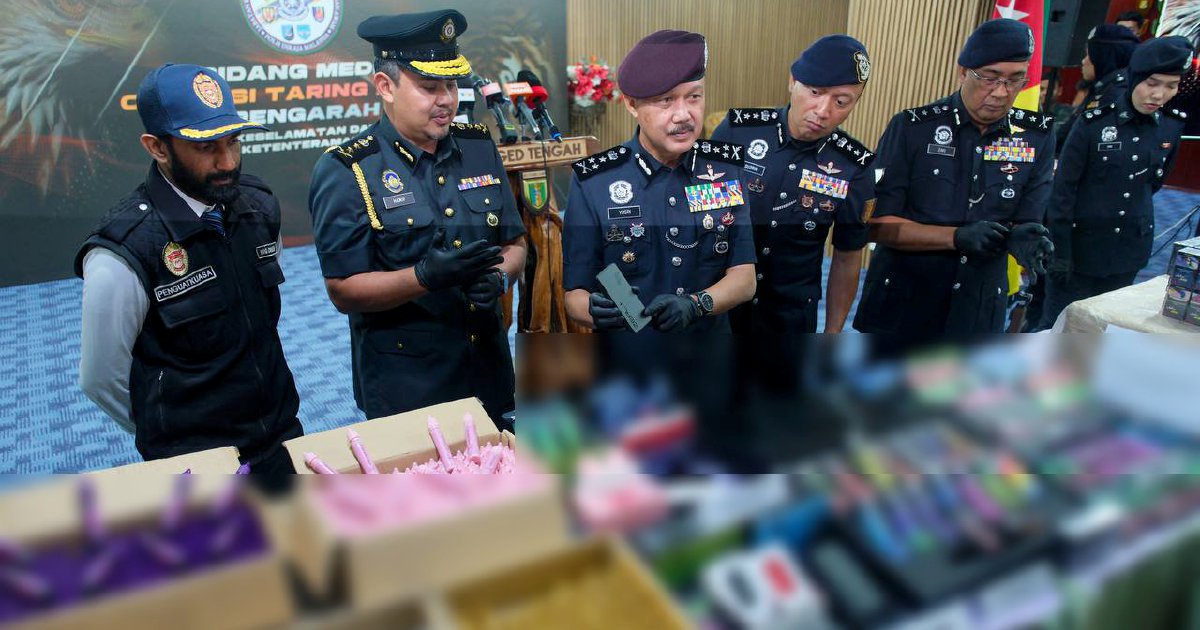
Malaysian law enforcement agencies have successfully intercepted a substantial shipment of contraband cigarettes and vaping merchandise during coordinated operations conducted across Selangor in recent weeks, with seized items valued at approximately RM15.5 million. The dual operations represent a significant victory against organised smuggling syndicates that have long exploited supply chains to distribute prohibited and untaxed products throughout the Malaysian market.
The raids underscore the persistent challenge posed by illicit tobacco and nicotine product trafficking in Southeast Asia's wealthiest state. Selangor, which encompasses Kuala Lumpur's sprawling suburbs and industrial corridors, has emerged as a critical transit hub for smuggled goods destined for domestic consumption and regional distribution networks. The sheer volume of contraband intercepted demonstrates the substantial scale at which these criminal enterprises operate, often coordinating across multiple states and international borders to circumvent customs enforcement.
Vaping products have become an increasingly significant component of the contraband trade across Malaysia. Despite regulatory frameworks governing e-cigarette sales, underground market demand remains robust, particularly among younger consumers and those seeking cheaper alternatives to lawful products. The recovery of vape merchandise alongside traditional cigarettes reveals how smuggling operations have diversified their portfolios to capture multiple revenue streams, exploiting gaps in enforcement between federal and state authorities.
The financial magnitude of this seizure—exceeding RM15 million—provides insight into the economic incentives driving organised contraband networks. The profit margins on illicit tobacco products remain substantial, with smuggled goods typically retailing at significantly discounted prices that undercut legitimate retailers while ensuring handsome returns for criminal syndicates. This underground economy simultaneously erodes government tax revenue, deprives legitimate businesses of market share, and generates funds that may finance broader criminal enterprises.
Selangor's geographic advantages as Malaysia's industrial and commercial heartland have inadvertently positioned it as a smuggling corridor. Its dense network of ports, highways, and warehousing facilities, combined with its proximity to Kuala Lumpur International Airport, creates multiple vulnerability points where contraband can be introduced into circulation. The state's significant migrant worker population and transient business communities also provide cover for smuggling operations seeking to move goods discreetly through conventional supply chains.
The enforcement action reflects heightened police attention to transnational smuggling operations that threaten public health and economic integrity. Illegal cigarette trade has long been associated with diminished tax compliance and undermined public health initiatives aimed at reducing smoking prevalence. Unregulated vaping products pose additional concerns around product safety standards, nicotine content transparency, and the potential gateway effects encouraging youth uptake of nicotine dependence.
These operations typically require coordination between multiple police units, customs authorities, and intelligence agencies to be effective. The successful dismantling of smuggling networks depends on patient investigation, informant networks, and strategic interception at critical points in the supply chain—whether at borders, ports, distribution facilities, or retail fronts. The sophistication of contemporary smuggling operations means enforcement must similarly evolve, employing technology and international cooperation to track shipments and identify key players within criminal hierarchies.
The implications of such seizures extend beyond Selangor's borders. Contraband goods intercepted in Malaysia often represent leakage from broader regional smuggling networks servicing Thailand, Singapore, Indonesia, and other ASEAN countries. Breaking individual smuggling chains disrupts these larger systems, though organised crime networks typically absorb short-term losses by diversifying routes and adjusting operational procedures. Sustained enforcement requires ongoing resource commitment and inter-agency coordination that transcends individual police operations.
For Malaysian consumers, the prevalence of cheap contraband products undercuts legitimate retailers' competitive positioning and creates perverse incentives within the market. Small shops and convenience stores often struggle against the pricing power of black-market suppliers, while responsible retailers face pressure to match illegal competitors' pricing. The regulatory framework governing tobacco and vaping products becomes difficult to enforce when parallel underground markets thrive unchecked.
The state government and federal authorities must balance enforcement capacity against the scale of smuggling activity. While RM15.5 million in seized goods represents meaningful interception, analysts suggest this represents only a fraction of total contraband volumes circulating through Malaysian markets. Capacity constraints within enforcement agencies, limited training resources, and coordination challenges between authorities create gaps that smuggling networks continue to exploit. Strengthening border security, improving intelligence sharing, and investing in detection technology remain critical but resource-intensive priorities.
Moving forward, the sustainability of anti-smuggling efforts depends on addressing both supply-side enforcement and demand-side factors. Public education campaigns highlighting health risks of unregulated vaping products, combined with accessible cessation programs, can reduce consumer appetite for black-market alternatives. Simultaneously, legitimate retailers require competitive conditions and regulatory clarity that allow lawful businesses to compete effectively against criminal enterprises.
These seizures, while significant, represent snapshots of ongoing enforcement struggles across Malaysia's cigarette and vaping markets. The success achieved in Selangor must be sustained through persistent operations that adapt to evolving smuggling tactics. Only through sustained commitment to border security, intelligence development, and inter-agency coordination can authorities meaningfully disrupt the economic incentives driving contraband networks.

