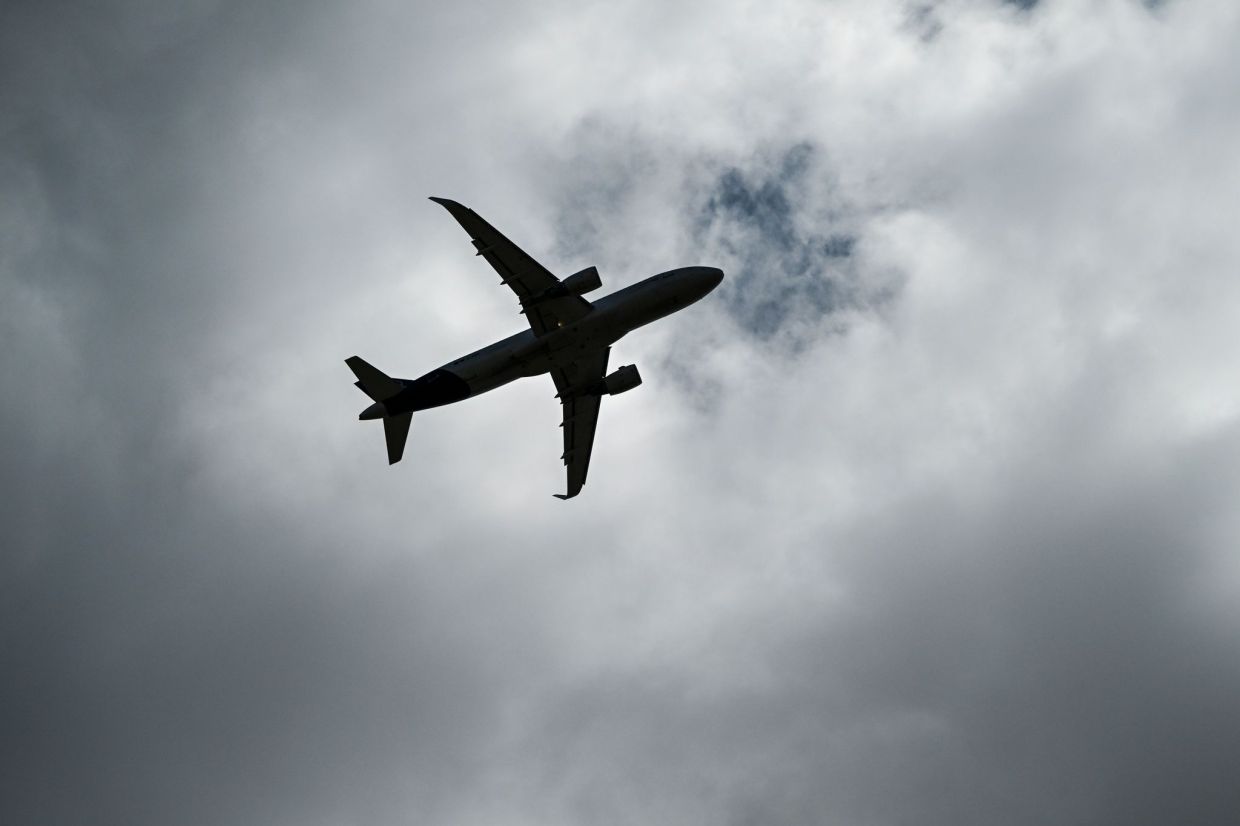
A Swiss International Air Lines flight carrying 206 passengers was forced to divert to Dublin after a power bank began emitting smoke during its trans-Atlantic journey from Zurich to Boston. The unexpected landing, though not technically classified as an emergency, triggered automatic protocols that granted the aircraft priority at Dublin airport. Passengers were subsequently accommodated in hotels while the airline arranged alternative onward travel arrangements.
The incident represents an escalating safety concern within the Lufthansa Group's fleet. Just weeks earlier, another Swiss flight operating between Zurich and New York experienced a similar in-flight emergency when a charging case for headphones ignited after becoming wedged between seat rows. That aircraft diverted to Bangor, Maine, demonstrating a troubling pattern of electronic device failures at altitude. Both incidents underscore the substantial risks posed by lithium-ion batteries and similar power storage devices when they malfunction in the pressurised cabin environment of commercial aircraft.
In response to mounting incidents involving portable electronics, Lufthansa Group has implemented comprehensive restrictions on power banks across its entire airline network, effective from the beginning of 2026. The regulations prohibit passengers from using or charging power banks whilst airborne, significantly restricting the utility of these ubiquitous travel accessories for long-haul journeys. Each traveller is permitted to carry a maximum of two power banks in their carry-on luggage only, with strict limitations on placement within the cabin.
The storage requirements are deliberately prescriptive to minimise fire risk. Power banks must be kept either in seat pockets, on the passenger's person, or in carry-on bags stored beneath seats—locations where any malfunction can be quickly identified and isolated. Critically, Lufthansa forbids passengers from packing power banks in checked baggage or storing them in overhead compartments, where fires could spread undetected. The airline notes that devices with capacities between 100 Wh and 160 Wh require advance airline approval before boarding, whilst approved medical devices remain exempt from these restrictions.
These measures align with guidance from multiple international aviation authorities concerned about lithium battery fires, which have become increasingly problematic in aircraft cabins. The Federal Aviation Administration and European Union Aviation Safety Agency have both issued warnings about portable power sources, yet many passengers remain unaware of the hazards or their airline's specific policies. The Lufthansa Group's decision to establish uniform standards across its subsidiary carriers reflects industry recognition that a one-size-fits-all approach to electronic device safety is now necessary.
For Malaysian and Southeast Asian travellers using Lufthansa Group airlines—which include Lufthansa, Swiss International Air Lines, Austrian Airlines, and Eurowings—understanding these regulations before departure is essential. Many regional passengers rely heavily on power banks during long-haul flights to maintain connectivity and charge devices, making the restrictions particularly consequential. The prohibition on in-flight charging means travellers must ensure devices are fully powered before boarding, fundamentally changing how people prepare for extended air travel.
The broader implication extends beyond Lufthansa's operations. As other international carriers observe these incidents, pressure will mount for industry-wide standardisation of power bank regulations. Currently, aviation safety rules remain fragmented, with different airlines maintaining divergent policies on portable electronics. This inconsistency creates confusion among frequent travellers and potentially allows dangerous practices on some carriers whilst others implement stricter protocols. The Zurich-Boston diversion may catalyse sector-wide reform, pushing airlines to adopt more uniform safety standards.
Passengers planning travel with any carrier should proactively verify electronic device policies before packing, consulting airline websites or contacting customer service directly. The cost of non-compliance extends beyond inconvenience; hazardous devices confiscated at airport security, missed flights due to improper baggage, and the genuine safety risks of in-flight fires all justify the minor effort required to confirm regulations. Airlines increasingly expect passengers to take responsibility for understanding their specific rules rather than assuming standardised practices across the industry.
The incident also highlights the challenge facing aircraft design and cabin safety systems. Modern commercial aircraft are equipped with fire detection and suppression systems, yet these technologies were designed when personal electronics were far less prevalent in cabins. The exponential growth in passenger possession of lithium-ion batteries—from phones, tablets, laptops, and power banks—has created an unprecedented concentration of fire risk in enclosed spaces. Engineering solutions alone cannot fully mitigate dangers posed by devices passengers choose to bring aboard; regulatory restrictions are therefore essential complementary measures.
Looking forward, the aviation industry faces difficult balancing act between passenger convenience and safety imperatives. Power banks and similar devices have become integral to modern travel, particularly for business travellers and digital nomads traversing intercontinental routes. Yet the recent incidents demonstrate that restrictions, whilst inconvenient, reflect genuine safety hazards that can compromise aircraft integrity and endanger all occupants. As technology evolves and battery capacities increase, airlines will likely introduce even more stringent regulations unless manufacturing standards and device reliability improve substantially.
The Swiss incident also demonstrates the effectiveness of existing aviation safety protocols. Despite smoke developing at altitude over the Atlantic Ocean, the crew responded appropriately, communication systems functioned reliably, and the aircraft reached safety on the ground without serious incident. The 206 passengers experienced disruption but faced no physical danger, suggesting that current procedures, when properly executed, can contain and mitigate even unexpected emergencies. This should reassure travellers that the aviation system, though occasionally tested by unforeseen events, maintains robust safeguards.
Ultimately, the power bank incidents serve as reminder that aviation safety remains a shared responsibility between airlines, regulators, aircraft manufacturers, and passengers themselves. By familiarising themselves with specific airline policies before travelling, passengers can avoid prohibited items reaching aircraft whilst respecting the safety measures designed to protect everyone aboard. For those planning travel on Lufthansa Group carriers in the coming months, checking electronic device regulations is now as essential as confirming luggage allowances or visa requirements.

