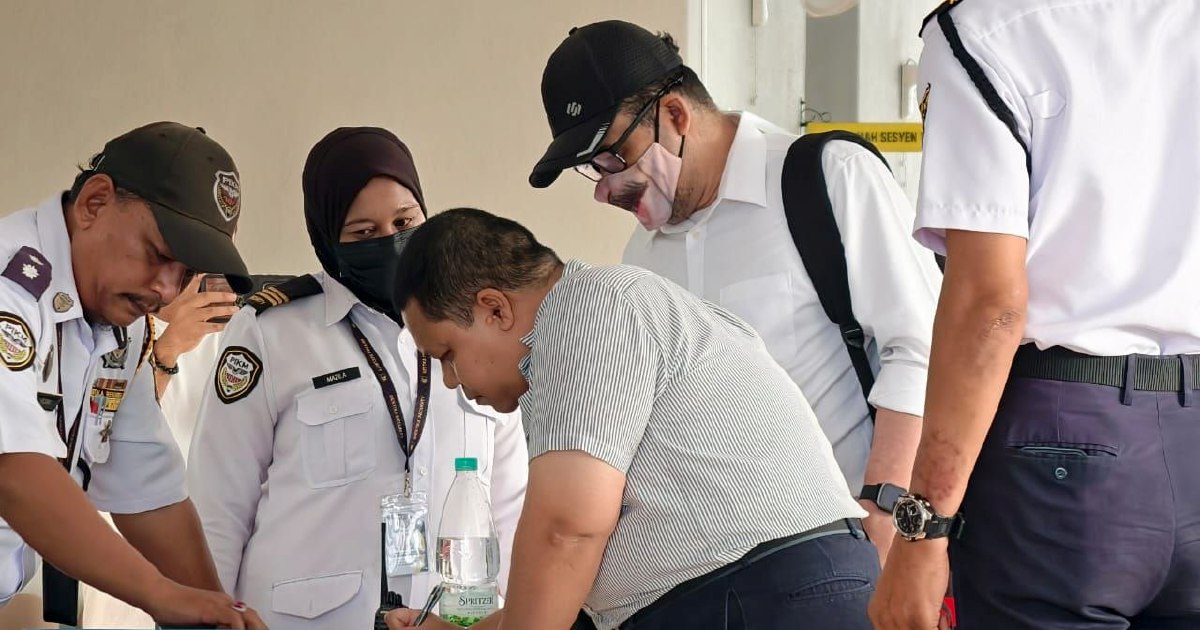
A preschool educator in Seremban faced formal charges in Sessions Court today, accused of physically sexually assaulting an 8-year-old male student on two separate occasions during April. The gravity of the allegations has intensified scrutiny over child safety protocols within early childhood education institutions across Malaysia, raising critical questions about screening procedures, supervision levels, and protective measures designed to shield vulnerable young learners from exploitation.
The appearance marks a significant moment in addressing institutional child abuse, a persistent concern that occasionally surfaces within Malaysia's preschool sector despite regulatory frameworks ostensibly designed to prevent such incidents. Educational authorities and child welfare advocates have long emphasised the necessity of rigorous background checks, psychological evaluations, and continuous professional monitoring for all individuals granted access to young children. The case underscores the stark reality that accreditation and licensing, while necessary, cannot entirely eliminate risks when institutional oversight remains inconsistent or when reporting mechanisms prove ineffective.
Incidents involving abuse within educational settings typically trigger broader community concerns regarding institutional accountability and the adequacy of existing safeguarding infrastructure. Malaysian parents frequently grapple with legitimate anxieties about their children's physical and emotional security during school hours, particularly within preschool environments where children are developmentally most vulnerable and communicatively limited in articulating distress. This case will likely reinvigorate discussions about parental vigilance, the importance of maintaining open communication channels with young children, and recognising behavioural indicators that might signal trauma.
The Sessions Court proceedings represent the formal mechanism through which Malaysian justice systems address alleged criminal conduct involving minors. Beyond the immediate legal process, such cases generate ripple effects throughout educational institutions, prompting reviews of existing protocols, retraining of staff on mandatory reporting obligations, and strengthened communication between schools and families. The outcome will carry implications for how educational authorities approach institutional reform and whether existing penalties for child abuse adequately reflect community values regarding child protection.
Within Southeast Asia's broader context, child safeguarding within educational environments remains an evolving priority. Malaysia, alongside neighbouring nations, continues refining legislative frameworks and enforcement mechanisms to protect young learners. The preschool sector particularly requires attention given children's developmental stage and dependence on adult authority figures, making them singularly susceptible to manipulation and harm. International best practices increasingly emphasise trauma-informed approaches, victim support services, and comprehensive institutional transparency.
The alleged April incidents, now subject to court examination, will presumably establish whether sufficient evidence exists to substantiate the charges beyond reasonable doubt. The judicial process must balance expeditious resolution with due process protections, ensuring thorough investigation and consideration of evidence while prioritising the affected child's wellbeing and psychological recovery. Support services for child victims of sexual abuse remain essential components of an holistic response, yet accessibility and quality vary considerably across Malaysian states.
Institutional responses to abuse allegations often determine community confidence in educational systems and parents' willingness to entrust children to formal care arrangements. Educational institutions face mounting pressure to demonstrate genuine commitment to child protection through transparent policies, accessible reporting mechanisms, and meaningful consequences for breaches. Merely reactive responses—addressing problems only after incidents surface—prove insufficient; proactive systems emphasising prevention, early identification, and supportive intervention represent the standard contemporary jurisdictions aspire toward.
The broader educational landscape must grapple with uncomfortable realities: that individuals in positions of trust occasionally betray that confidence, that systemic vulnerabilities enable misconduct, and that comprehensive protection requires multi-layered approaches extending beyond any single institution's capacity. Training educators, parents, and children themselves about boundary-setting, appropriate physical contact, and reporting pathways creates necessary baseline protections. Simultaneously, institutional cultures must evolve to facilitate rather than suppress disclosure, recognising that silence perpetuates vulnerability.
For Malaysian families and educators, this case serves as painful reminder that vigilance remains perpetually necessary. Preschools and educational authorities must continuously evaluate whether existing safeguards sufficiently address contemporary risks, whether staff possess adequate training in recognising and reporting abuse, and whether communication pathways between homes and institutions remain genuinely open. The Sessions Court's handling of these charges will likely influence how Malaysian institutions subsequently approach institutional safeguarding, potentially establishing precedents regarding accountability and penalties that reverberate through the educational sector for years.

