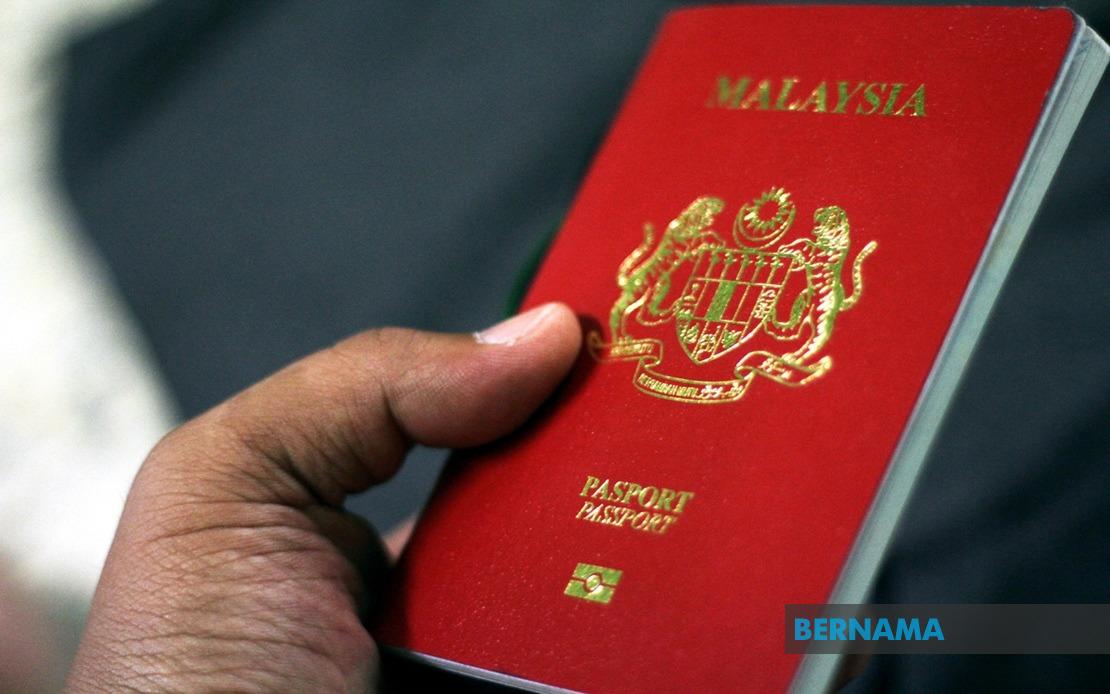
Prime Minister Datuk Seri Anwar Ibrahim will formally introduce Malaysia's next-generation travel document at the Parliament lobby on Tuesday, marking a significant step in the nation's ongoing effort to combat document fraud and counterfeiting. The new Malaysian International Passport incorporates 94 distinct security features, a substantial leap forward from the existing 49-feature variant currently in circulation.
The upgrade represents a strategic government initiative aimed at preserving Malaysia's standing as custodian of one of the world's most trusted travel credentials. With international passport rankings reflecting the diplomatic clout and acceptance a nation's documents command globally, maintaining cutting-edge security standards is essential to prevent the country's standing from eroding. The 2025 Passport Index rankings positioned Malaysia's current document as the world's third most powerful, a distinction the government is determined to protect through technological advancement.
Among the most significant enhancements are sophisticated holographic elements integrated throughout the passport pages, a standard security measure employed by advanced nations seeking to create visual barriers that modern counterfeiters struggle to replicate convincingly. The new design also incorporates ultraviolet printing technologies invisible to the naked eye, requiring specialist equipment to detect—a safeguard that deters casual forgery attempts while enabling rapid verification at border checkpoints worldwide.
The redesigned document features numerous hidden visual elements strategically positioned within page layouts, serving as security mechanisms that trained immigration officers and document examiners can identify during routine inspections. Beyond visual authentication, the new passport incorporates several specialised forensic security features designed for laboratory-level verification, allowing authorities investigating suspicious documents access to advanced tools for authentication that criminals cannot easily circumvent or anticipate.
A notable structural innovation involves the security thread binding the passport booklet together. Previously overlooked in many document designs, this reinforced thread now incorporates unique elements that make the entire binding mechanism far more resistant to tampering and unauthorised opening. Each individual page within the new passport has been assigned a distinctive layout pattern, eliminating the standardised appearance that counterfeiters could exploit by creating convincing duplicates of a single page design.
Home Minister Datuk Seri Saifuddin Nasution Ismail signalled this modernisation direction earlier in 2025 when announcing plans to introduce redesigned passports and MyKad identification cards as part of a comprehensive strategy to elevate Malaysia's data security infrastructure. The government recognised that identity documents serve as critical anchors for digital security ecosystems, making physical document integrity essential to protecting citizens' digital identities and preventing sophisticated identity fraud schemes.
For Malaysian travellers, the practical implications of this upgrade extend beyond symbolic security improvements. Enhanced passport security can facilitate smoother processing at immigration counters globally, as modern scanning and verification systems integrate seamlessly with advanced security features like UV elements and holograms. This translates to shorter queues and faster clearance at major international airports, benefiting the estimated 8 million Malaysian passport holders who travel regularly for business and leisure.
The timing of this launch also reflects broader regional trends in Southeast Asia, where several nations have recently upgraded their travel documents with advanced security measures. By maintaining competitive standards, Malaysia ensures its passport retains prestige and utility in an evolving global mobility landscape where document security has become increasingly interconnected with cybersecurity, biometric systems, and digital verification protocols.
From a security enforcement perspective, the expanded feature set provides Malaysian authorities with enhanced capabilities to identify forged documents at borders and checkpoints. Immigration officers equipped with knowledge of the new security markers gain powerful tools to detect sophisticated counterfeits, while the complexity of replicating 94 distinct features makes criminal forgery exponentially more costly and technically demanding compared to targeting documents with fewer security layers.
The launch ceremony at Parliament serves as a public affirmation of Malaysia's commitment to document security and digital trust infrastructure. By positioning the Prime Minister as the figurehead introducing this upgrade, the government emphasises the seriousness with which it treats identity document integrity and citizen protection against fraud and identity theft.
International cooperation on document security standards has become increasingly important as criminal networks operate across borders, trading counterfeiting techniques and developing specialised equipment. Malaysia's adoption of advanced security features aligns with international best practices established by organisations setting global standards for travel document security, ensuring Malaysian passports remain compatible with international verification systems and trusted by border authorities worldwide.

